
 |
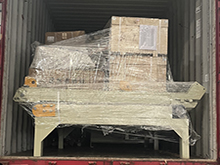
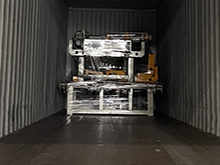
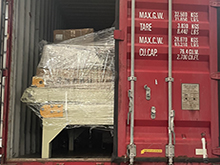
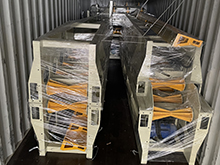
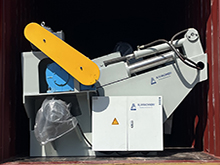
Metal press is a kind of metal scrap through high pressure cold pressing molding equipment, mainly used for processing metal scraps, scraps, etc., so that it is compressed into regular chunks, easy to store, transport and recycling. The equipment adopts full hydraulic drive, stable work, low noise, high degree of automation, simple and safe operation. It is widely used in steel plants, non-ferrous metal plants, smelters and other industries, can effectively reduce the volume of waste, improve the recovery value.
The Metal Briquetting Machine is a hydraulic-driven system designed to compress metal shavings, turnings, scraps, and chips into dense briquettes. Ideal for metalworking industries, automotive recycling, and steel mills, this equipment reduces waste volume by up to 90%, enhancing transportation efficiency and scrap value by 30–40% compared to loose scrap. With compression forces ranging from 315 to 5,000 tons, it handles materials like iron, aluminum, copper, and stainless steel, ensuring high-density briquettes with minimal oil residue (<5%). Its modular design allows for easy integration into existing recycling lines, making it a cornerstone of sustainable metal waste management.
Compression Force: 315–5,000 tons (customizable for specific applications: 315–630 tons for aluminum, 1,000–5,000 tons for steel)
System Pressure: 25 MPa (constant across all models, with pressure holding capabilities for uniform density)
Briquette Size: 100 mm × 80 mm × 60 mm (standard; adjustable via mold dies to 50–150 mm in length)
Cycle Time: 30–60 seconds (dependent on material and pressure: shorter cycles for non-ferrous metals)
Power Supply: 440V/60Hz (global voltage options available, including 380V/50Hz and 220V/60Hz)
Hydraulic Flow Rate: 60–200 L/min (high-flow pumps for rapid compression stages)
Hydraulic Cylinder: Hardened steel with chrome plating (Ra ≤0.8 μm surface finish) for corrosion resistance and extended seal life.
Mold: Wear-resistant alloy steel (Cr-Mo-V grade) capable of withstanding high cyclic loads (up to 100,000 cycles before reconditioning).
Frame: Reinforced structural steel with anti-vibration mounts (reducing operational vibration by 40% for workplace safety).
Weight: 8–50 tons (model-dependent: 8–15 tons for 315-ton models, 30–50 tons for 5,000-ton industrial units)
Footprint: 4m × 3m × 2.5m (standard 630-ton model; compact versions available for small workshops: 2.5m × 2m × 2m)
The machine’s high-pressure pump (axial piston type) and precision valves deliver consistent compression across all materials, ensuring briquettes with densities exceeding 2.5 g/cm³ for ferrous metals and 1.8 g/cm³ for aluminum. This high density reduces transportation costs by 0.30 per kg of scrap and minimizes metal loss during smelting. The hydraulic system also features a cooling circuit to maintain oil temperature at 40–50°C, preventing overheating during continuous operation.
Integrated vacuum systems extract cutting fluids and emulsions from metal scraps during compression, collecting 70% of oils (purity ≥95%) for reuse in machining processes. This feature not only aligns with environmental regulations (e.g., EU Waste Framework Directive) but also reduces waste disposal costs by 15,000 annually for medium-sized facilities. The separated oil is stored in a 500L tank with filtration systems to remove contaminants.
A touchscreen HMI (human-machine interface) allows operators to adjust pressure, cycle time, and briquette dimensions in real time. The interface supports 10+ languages, making it suitable for international operations. The system includes error diagnostics (with 20+ fault codes) and remote troubleshooting via cloud connectivity, enabling technical support teams to resolve issues without on-site visits 80% of the time.
The machine offers manual and automatic modes, enabling flexibility for small batches (5–10 kg) or continuous production (up to 500 briquettes/hour). Its self-cleaning mold—equipped with scrapers and air blasts—minimizes downtime between material changes, reducing transition time from steel to aluminum processing to under 5 minutes. Safety features include emergency stop buttons and light curtains to prevent accidents during loading.
Chip Management: Compresses cast iron, aluminum, and steel chips from CNC machining into transportable briquettes, eliminating storage issues in workshops and reducing fire hazards from oil-soaked scraps.
Cost Savings: Recovers cutting oils for reuse, reducing operational expenses by up to 30% and lowering the need for new oil purchases.
Scrap Processing: Processes engine parts, car bodies, and aluminum alloys (e.g., 6061, 7075) into high-purity briquettes for smelting, supporting circular automotive supply chains and reducing reliance on mined ores.
Environmental Compliance: Ensures zero-leakage of hazardous fluids during processing, meeting EU REACH and OSHA standards for workplace safety and environmental protection.
Scrap Metal Recycling: Converts shredded metal into uniform briquettes for electric arc furnaces (EAFs), improving melting efficiency by 15% and reducing slag formation by 20% compared to loose scrap.
Raw Material Supply: Provides consistent feedstock for steel mills, enhancing production scalability and reducing material waste in casting processes.
Waste Management: Compresses rebar, aluminum profiles, and copper wires from construction sites into marketable briquettes, reducing landfill dependency by diverting 500+ tons of metal waste annually per machine.
Resource Recovery: Maximizes the value of mixed metal waste by separating and densifying different alloys, enabling higher prices from scrap yards and metal recyclers.
By combining high-pressure compression, oil recovery, and automation, the Metal Briquetting Machine revolutionizes metal scrap management. Its role in enabling closed-loop recycling and cost-effective waste handling makes it a critical asset for industries committed to sustainability and efficiency.
/Product Advantages/
 |  |  |  |  |  |
 |  |  |  |  |  |
 |  |  |  |  |  |
 |  |  |  |  |  |
 |  |  |  |  |  |
 |  |  |  |  |  |
 |  |  |  |  |  |
 |  |  |  |  |  |
 |  |  |  |  |  |
 |  |  |  |  |  |
 |  |  |  |  |  |
 |  |  |  |  |  |


