Views: 0 Author: Site Editor Publish Time: 2025-10-03 Origin: Site
You want to know the real difference between a plastic shredder and a Plastic Crusher? Here’s the quick answer: shredders slice plastic into strips or flakes, while crushers smash it into small, irregular pieces. Picking the right tool makes your recycling project much easier at home. > Ready to build your own machine? You’ll get practical tips and a step-by-step guide right here.
A plastic shredder cuts materials into strips or flakes, making it ideal for softer plastics like bottles and packaging.
A plastic crusher grinds materials into small, irregular pieces, perfect for hard plastics and preparing them for melting.
Choose a shredder for bulky items needing uniform sizes and a crusher for precise, small fragments.
Consider your recycling goals, the type of plastic, and the space available before selecting a machine.
Regular maintenance, like cleaning and sharpening blades, ensures your shredder or crusher operates efficiently and lasts longer.
When you use a shredder for plastic, you get a machine that cuts or slices material into strips or flakes. The shredder works with slow-turning, powerful blades inside a cutting chamber. You feed in large plastic items, like bottles, pipes, or even car bumpers. The shredder breaks them down into smaller, manageable pieces.
You will find several types of shredders, such as hammer mills, granulators, chippers, grinders, and shear shredders. Each type uses a different mechanism, but the goal stays the same: reduce bulky plastic into uniform pieces. For example, a shear shredder uses rotary cutters and guillotine-style knives to slice through plastic. Some shredders can handle other soft materials, like textiles or food scraps, but they really shine with plastic.
Tip: Shredders often include safety features like infeed hoppers, electrical interlocks, and overload protection. These features help keep you safe while you process plastic at home.
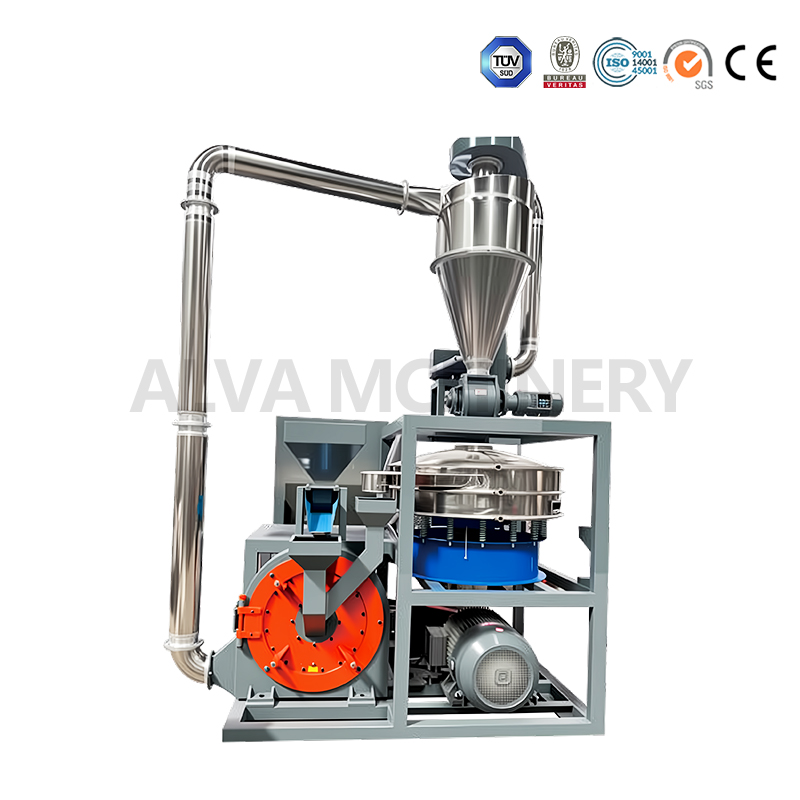
A crusher takes a different approach. Instead of slicing, the crusher smashes or grinds plastic into small, irregular fragments. You drop plastic into the crusher, and it uses high-speed rotating blades or jaws to break the material apart. The crusher works best with hard plastics, like thick containers or rigid plastic parts.
You will notice that a crusher produces much smaller pieces than a shredder. The average output particle size from a crusher ranges from 3 to 12 mm. This makes the crusher perfect if you want to prepare plastic for melting or pelletizing. Crushers can also handle other tough materials, such as metal or rock, but for home recycling, you will mostly use them for plastic.
If you want to process hard plastic quickly and get fine fragments, a crusher is your go-to machine.
Let’s break down the main differences between a shredder and a crusher for plastic recycling. This table gives you a quick side-by-side comparison:
Feature | Shredder | Crusher |
|---|---|---|
Mechanism | Slices or cuts with slow, powerful blades | Smashes or grinds with high-speed blades |
Best for | Softer, bulky plastic items | Hard, rigid plastic pieces |
Output Size | 20 to 100 mm (uniform strips/flakes) | 3 to 12 mm (small, irregular fragments) |
Material Compatibility | Softer plastics, textiles, food scraps | Hard plastics, metals, rocks |
Typical Uses | Pre-processing for further recycling | Preparing plastic for melting/pelletizing |
Energy Consumption | 15-75 kW (200-1000 kg/h throughput) | 15-50 kWh per ton |
Safety Features | Infeed hopper, interlocks, overload protection | Usually basic, less advanced |
You will see that a shredder works best when you need to reduce large, soft plastic items into uniform pieces. This makes it easier to handle and sort plastic for further recycling steps. The shredder can process a wide range of plastics, but it really excels with softer materials.
A crusher, on the other hand, is your choice when you need to break down hard plastic into very small pieces. The crusher is more aggressive and produces fragments that are ready for melting or pelletizing. If you want to recycle plastic bottles, containers, or thick plastic parts, the crusher will do the job faster and with finer results.
Note: As the output particle size gets smaller, the crusher uses more energy. Crushing can account for up to two-thirds of the total energy used in processing plastic.
Here’s another quick look at material suitability and final product characteristics:
Equipment Type | Material Suitability | Final Product Characteristics |
|---|---|---|
Shredder | Softer materials (plastics, textiles, food) | Uniformly sized pieces for processing |
Crusher | Harder materials (plastics, metals, rocks) | Small, irregularly shaped fragments |
When you choose between a shredder and a crusher for your home recycling project, think about the type of plastic you have, the size you want for the final product, and how much energy you want to use. Both machines play a key role in plastic recycling, but each one fits a different step in the process.
When you use a plastic crusher, you rely on a simple but powerful mechanism. You feed plastic into a hopper at the top. Inside, high-speed rotating blades spin and slice the plastic into smaller pieces. Fixed blades hold the plastic steady, making the cutting more efficient. The crushed plastic falls through a screen mesh, which controls the final size. The processed plastic exits through a discharge outlet, ready for recycling or reuse.
If you want to understand the crushing mechanism, think of it as a fast and forceful way to break down plastic. The plastic crusher works best when you need uniform pieces for melting or molding. By understanding the crushing mechanism, you can get better results and avoid jams.
Tip: Using the crusher the right way means checking the blades and mesh regularly. Sharp blades and the right mesh size make a big difference.
A plastic bottle crusher focuses on crushing plastic bottles, but you can use it for other containers too. This crusher helps you manage PET, HDPE, LDPE, and PVC bottles. Crushing plastic bottles saves space and makes storage easier. You can also prepare bottles for further recycling steps, like melting or pelletizing.
Here’s a quick look at the types of plastics you can process:
Type of Plastic | Category |
|---|---|
PET | Recyclable |
HDPE | Recyclable |
LDPE | Recyclable |
PVC | Recyclable |
Bakelite | Non-recyclable |
Nylon | Non-recyclable |
If you’re crushing plastic bottles at home, you’ll find that adding the crushing part to your recycling routine makes everything more efficient.
Let’s break down the main advantages and disadvantages of using a plastic crusher or plastic bottle crusher at home:
Advantages | Disadvantages |
|---|---|
Size reduction for easier management | Potential risk of injury |
Reduces recycling costs | Operational limitations |
Turns waste into reusable materials | |
Helps reduce your carbon footprint |
Helps recover waste during molding and trimming.
Crushed plastic is easier to manage and reuse.
You can even earn money by selling crushed plastic as raw material.
Using the crusher the right way and adding the crushing part to your setup will boost your recycling results. Crushing plastic bottles and other items makes your home recycling project smoother and more effective.
Ready to tackle your own shredder project? Here’s a step-by-step guide that makes the process simple. You start by gathering all your materials. Stainless steel sheets, rods, bearings, and a motor are essential for a solid design. Next, you cut each piece using laser or plasma cutting. Smooth the edges for a safer build. Prepare the axle and arrange the blades in your design. Assemble all the parts, making sure everything fits and moves smoothly. Install the motor and gearbox to power your shredder. Build a stable base using 1.25" square pipe for extra strength. Create a hopper for feeding plastic into the shredder. Finish up by testing your design with real plastic. This step-by-step guide helps you avoid mistakes and keeps your project on track.
Choosing the right materials and tools makes your shredder last longer and work better. Sheet metal is easy to find at local laser shops and works well for most designs. You can buy parts from the Precious Plastics Bazar, which saves time and money. For the blades, use wear-resistant steel like Hardox 400. This choice improves durability and keeps your design sharp. Stackable sieves and mesh size selection help you control the output size. You need a PH screwdriver with a long narrow shank, basic electrical tools like wire, stripper, and tape, and a jigsaw or drill for cutting and assembly. Good design means picking tools that fit your skills and budget.
Safety should always come first when you build or use a shredder. Check out these tips to keep your project safe:
Safety Precaution | Description |
|---|---|
Training | Make sure everyone knows how to operate and service the shredder. |
Knife Maintenance | Replace dull knives often to prevent accidents and wear. |
Jam Clearance | Always clear jams and inspect before restarting the shredder. |
Safety Device Inspection | Check all safety devices regularly to ensure they work properly. |
Proper Loading | Never start the shredder with a fully loaded chamber. |
Regular servicing keeps your shredder running smoothly and reduces risks. Well-maintained machines last longer and help you spot hazards early. Routine maintenance is a key part of any good design. If you follow these safety tips, you’ll enjoy a safer and more successful step-by-step guide for your DIY shredder.
You want to pick the best machine for recycling plastics at home. Start by looking at what you need. Ask yourself a few questions: What types of plastic do you have? How much do you plan to process? Do you want strips, flakes, or tiny fragments? A shredder works well for softer, bulky items like bottles or packaging. A crusher handles hard, rigid pieces and gives you smaller fragments.
Here’s a table to help you figure out your needs:
Criteria | Description |
|---|---|
Type of Materials | What kind of plastic do you want to recycle? Some machines work better with certain types. |
Size and Capacity | How much space do you have? How much plastic do you want to process at once? |
Level of Automation | Do you want a machine that runs by itself or one you control manually? |
Available Budget | How much money can you spend on your recycling setup? |
You should also think about the size of your input materials and the output you want. If you need uniform strips for sorting, a shredder is your best bet. If you want small pieces for melting, a crusher is the right choice.
Tip: Write down your goals for recycling plastics before you buy or build anything. This step saves you time and money.
When you set up a shredder or crusher at home, you need to think about more than just the machine. Space matters. A shredder can be big and heavy, so make sure you have room for it. A crusher might fit better in tight spaces, but check the power rating to match your electrical setup.
Noise is another big factor. Crushers can get loud, sometimes too loud for comfort. You may need hearing protection or a soundproof enclosure. If you plan to use your machine indoors, look for models with mufflers or dust extraction systems. Clean air and quiet workspaces make recycling plastics safer and easier.
Here’s a quick checklist for practical setup:
Check the size of your workspace.
Make sure your electrical system can handle the machine.
Plan for noise control and air quality.
Choose a design that fits your space and needs.
Note: Crushers often produce more dust and noise than shredders. If you live in an apartment or have close neighbors, consider these issues before you start.
Budget plays a huge role in your decision. A plastic crusher can cost anywhere from a few thousand dollars to tens of thousands, depending on size and features. Shredders range from $10,000 for basic models to $100,000 for high-capacity machines. If you want a shredder that handles 600kg/hr, expect to pay around $10,000. Bigger shredders cost more.
Maintenance keeps your machine running smoothly. You need to clean your shredder or crusher often to prevent clogs. Lubricate moving parts to reduce wear. Inspect blades for damage and sharpen them every 6 to 12 months. Watch for jams and check the motor’s health to avoid overheating.
Here’s a simple maintenance routine:
Clean the machine after each use.
Lubricate all moving parts.
Inspect blades and sharpen as needed.
Check for jams and clear them right away.
Monitor the motor for signs of trouble.
If you follow these steps, your shredder or crusher will last longer and work better. Regular care means fewer breakdowns and lower costs over time.
Tip: Set a reminder to check your machine every month. Small fixes now prevent big problems later.
You now know the main difference: a plastic shredder cuts plastic into various shapes, while a plastic crusher breaks it down into more uniform granules. Check out this quick table:
Feature | Plastic Crusher | Plastic Shredder |
|---|---|---|
Output Granule Size | More uniform granules | Varied range of sizes |
Precision | Consistent size | Quick size reduction |
Pick a plastic shredder for bulky items or a plastic crusher for precise, small pieces. Use the DIY guide to get started. Remember to rinse plastics, label bins, and recycle responsibly at home!
You start by creating a simple design blueprint. Gather essential materials like steel sheets and a motor. Making the frame comes next. Add a collection system for crushed plastic. Always check the mechanism before using the crusher the right way.
Staying safe while building means wearing gloves and goggles. Keep your workspace clean. Test the mechanism before crushing plastic bottles. Never rush the process. Always unplug the machine before repairs.
Understanding the crushing mechanism helps you avoid jams and damage. You get better results when crushing plastic bottles. You also keep your machine running longer. This knowledge makes recycling plastics easier.
Yes, adding a collection system helps you manage crushed plastic. You can use bins or bags. This step keeps your workspace tidy and makes recycling plastics more efficient.
You need essential materials like steel sheets, blades, and a motor. Making the frame strong is important. Always follow your blueprint. Choose parts that fit your budget and needs.