Views: 0 Author: Site Editor Publish Time: 2026-11-11 Origin: Site
Are mixed materials quietly draining your production budget? Picture a high-speed e-waste recycling line or a bulk food packaging facility. Everything runs smoothly until a hidden moisture-absorbing packet ruptures. Suddenly, thousands of tiny, resilient beads scatter across your valuable materials. These rogue desiccants cause severe moisture issues and structural flaws if left unchecked.
For years, facility managers relied heavily on manual labor to pick out these impurities. Manual sorting is a losing battle. It is visually taxing, painfully slow, and highly susceptible to human error. Failing to accurately separate these materials inevitably leads to ruined product batches and wasted resources.
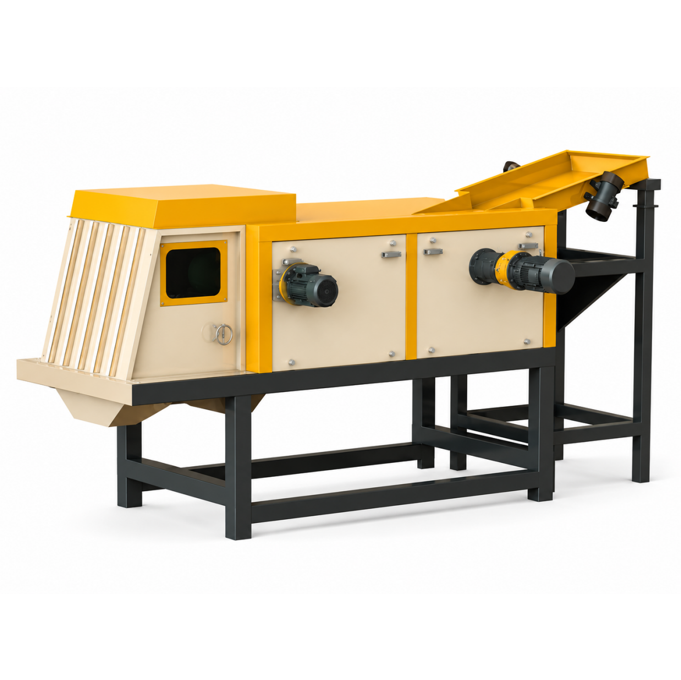
Upgrading your infrastructure becomes critical at this juncture. Integrating an automated Silica Gel Separator serves as the ultimate industrial solution. This specialized machinery automates the extraction process. It rescues your end-product from impurities while saving countless hours of labor. In this comprehensive guide, we will explore exactly when your facility needs to make this investment. We will dive into the physics driving the technology and outline the undeniable return on investment it provides.
Automated Efficiency: A dedicated separator replaces slow, error-prone manual labor with high-speed, continuous automated processing.
Driven by Physics: These specialized machines utilize specific weight variances and controlled airflow to accurately isolate beads from complex mixed waste streams.
Cost Savings Through Recovery: By effectively recovering intact desiccants without physical degradation, businesses can safely process them for secondary applications. This drastically lowers ongoing procurement costs.
Quality Control: Implementing automated equipment eliminates the risk of impurities in your final product, protecting brand reputation and structural integrity.
Clear ROI: Facilities experiencing high desiccant waste, cross-contamination, or rising labor costs require an automated solution immediately to maintain operational profitability.
In modern manufacturing and recycling facilities, maintaining absolute material purity is no longer just a goal. It is a strict operational requirement. An industrial separator functions as an advanced piece of sorting machinery designed specifically to isolate silica gel beads and packets from other bulk materials. Rather than acting as a standalone unit, engineers typically integrate it seamlessly into the post-processing stages of a production line. It is also utilized extensively in recycling facilities where mixed inputs are the standard.
Understanding how this equipment differs from standard sorting mechanisms is critical for plant operators. General-purpose conveyors often rely on optical sensors, magnetic fields, or basic dimensional screening. Silica gel presents unique physical challenges. Because the material is entirely non-magnetic, traditional magnetic separators are completely useless. Optical sorters frequently struggle to differentiate clear or white silica beads from clear plastics or crushed glass fragments.
Silica gel beads are inherently fragile. Heavy mechanical crushing or aggressive screening can pulverize the beads into a fine dust. This dust then coats the surrounding materials and creates a secondary airborne hazard. Specialized machinery is meticulously calibrated to handle these fragile beads gently yet efficiently. This ensures they are extracted intact without creating particulate pollution.
Sorting Method | Throughput Efficiency | Purity Rate | Labor Cost | Material Damage Risk |
|---|---|---|---|---|
Manual Labor Picking | Extremely Low | Inconsistent | Very High | Low |
Standard Magnetic/Optical | Medium | Poor on clear beads | Low | High pulverization risk |
Specialized Air/Density Separator | High up to 10 Tons/Hour | Over 99.5% | Minimal | Zero structural damage |
The operational foundation of this equipment relies on precise physical principles rather than complex chemical interventions. Specific gravity acts as the primary scientific driver behind this technology. Silica gel possesses a highly specific bulk density and aerodynamic profile. This profile differs vastly from common industrial impurities such as plastic flakes, cardboard dust, or agricultural organics.
By exploiting this variance in weight, the machine isolates the desiccant with exceptional accuracy. The system utilizes a sophisticated combination of mechanical vibrations, gravity, and targeted air currents. These forces lift lighter materials while allowing the denser silica gel to fall directly into a designated collection chute.
The automated Desiccant Sorting process follows a highly controlled, four-stage workflow designed to maximize purity. As engineers, we monitor these stages closely to ensure optimal throughput.
Step 1: Feeding. The mixed bulk materials are introduced into the machine infeed hopper. Controlled feed rates ensure the system is never overwhelmed. This prevents bottlenecks and maintains strict separation efficiency.
Step 2: Agitation and Vibration. As materials drop onto the sorting bed, mechanical agitation takes over. The steady hum of the vibratory feeder breaks up clumps. It spreads the mixture evenly in a single layer to prepare it for the air classification stage.
Step 3: Airflow Separation. The material moves steadily across the bed while precisely calibrated updrafts of air pass through the mixture. Lighter materials, such as plastic films or paper husks, are carried upward by the aerodynamic force.
Step 4: Collection. The denser silica gel beads resist the updraft. They drop straight through the sorting matrix into a dedicated collection bin. Meanwhile, the lighter waste materials are routed via ducting to a separate containment area.
Recent market analyses of the industrial separation sector reveal a critical pivot. Global supply chains face unprecedented sustainability mandates. The tolerance for impurities in secondary raw materials has plummeted from acceptable parts-per-thousand to stringent parts-per-million. Industry experts note that facilities relying on outdated manual extraction are rapidly losing ground. Automated competitors capable of guaranteeing near-perfect yields are dominating the market. This intensifying regulatory pressure, coupled with soaring landfill levies, pushes plant managers to urgently rethink their post-processing workflows. If you are evaluating your own operations, here are the primary indicators that it is time to upgrade.
Rogue beads frequently found in your finished goods mean your current sorting process is failing. In industries like plastic recycling or food processing, even a minor fraction of foreign material compromises an entire production batch. This directly causes costly rejections, wasted energy, and damaged client relationships.
Throwing away perfectly functional silica gel simply because it is temporarily mixed with other waste streams acts as a massive financial drain. Facilities discarding large volumes of mixed waste are essentially throwing away recoverable assets. They end up paying a premium for landfill space to dispose of valuable materials.
Relying on human labor to pick out small packets or individual beads is ergonomically taxing. It severely limits your overall throughput. If labor costs associated with quality control are escalating, an automated system provides a rapid return on investment. It allows you to reallocate human resources to higher-value operational tasks.
Certain sectors operate under rigid regulatory frameworks. The pharmaceutical, nutraceutical, and high-grade polymer recycling industries often require material purity rates exceeding 99.9 percent. Achieving this level of precision consistently is virtually impossible without specialized, physics-based equipment.
Electronic waste and packaged consumer goods arrive at recycling facilities accompanied by thousands of moisture-control packets. When these products feed into industrial shredders, the packets rupture. This mixes millions of beads with valuable plastics and metals. A separator is absolutely mandatory in this harsh environment. It extracts the beads before the plastic melts down, preventing severe structural defects in the recycled polymer.
In pharmaceutical manufacturing, desiccant canisters or pills are routinely inserted into medicine bottles to prolong shelf life. If a batch of medication fails quality assurance, the active product must be reclaimed. Automated sorting ensures rejected medicine batches process safely. It separates active pharmaceutical ingredients from moisture-control packaging without introducing manual hygiene risks.
Bulk dry goods frequently utilize loose desiccants or large moisture-absorbing bags during transcontinental shipping. If a bag ruptures in transit, the contents mix directly with the agricultural product. Before these goods can be milled or packaged for final consumer use, meticulous separation is required. This ensures complete food safety and prevents catastrophic consumer hazards.
The most direct financial benefit of this equipment lies in the ability to recover valuable materials. Silica gel is highly resilient. Once cleanly separated from mixed waste, operators can subject it to a thermal reactivation process. Applying controlled heat drives accumulated moisture out of the pores. This restores the material to its original adsorption capacity.
This capability for Reuse dramatically reduces the need to purchase fresh supplies. When calculating the return on investment, facility managers should weigh the upfront cost of the machine against annualized savings. Reduced material procurement and the elimination of manual labor hours add up quickly. High-volume facilities often see the equipment pay for itself within the first few quarters of operation.
Industrial waste disposal is often billed by weight and volume. Because silica beads are relatively dense, sending mixed waste containing high volumes of this material to a landfill incurs significant disposal fees. Diverting this material slashes immediate waste management costs. It also significantly reduces the facility carbon footprint, supporting broader corporate environmental and social governance targets.
In industrial processing, the absence of precision leads directly to material failure. Consider a standard plastic extrusion line. Recycled PET flakes enter the high-temperature barrel. If undetected silica beads remain in this mix, disaster strikes. While the PET melts uniformly, the silica possesses a vastly higher melting point and remains completely solid.
These solid inclusions act as stress concentrators within the molded plastic. They clog extrusion nozzles and cause pressure spikes. When the plastic cools, these tiny weak points cause the final product to shatter under minimal pressure. This type of Contamination renders the entire production run useless. It wastes electricity, raw materials, and factory time.
Modern separation equipment is engineered to mitigate these exact scenarios. By utilizing highly sensitive airflow adjustments and multi-stage vibratory screening, these machines achieve purity rates guaranteeing the final product is completely free of interference. Precision extraction ensures recycled outputs maintain their intended tensile strength, visual clarity, and long-term structural integrity.
Selecting the appropriate machinery requires a careful evaluation of specific operational parameters. The first metric to determine is your required throughput, measured in tons per hour. A machine processing 1 ton per hour creates a frustrating bottleneck if your line demands 5 tons. Conversely, an oversized machine represents unnecessary capital expenditure. Calculate your peak processing volumes and choose a model offering a comfortable margin above your maximum requirements.
Because the core technology relies heavily on weight and aerodynamics, you must consult with equipment manufacturers about the specific Density Difference thresholds their machines accommodate. Ensure the equipment features Variable Frequency Drives on the blower fans. This crucial feature allows operators to fine-tune airflow depending on the specific weight of contaminants mixed with target materials on any given day.
Industrial environments are inherently harsh. Sorting equipment is subjected to continuous vibration, abrasive dust, and heavy impacts. Prioritize machines constructed from high-grade, wear-resistant carbon steel or 304 stainless steel. Look for designs featuring easy-to-clean screens and accessible internal components. This minimizes downtime during routine maintenance. Partnering with reputable manufacturers ensures you receive robust machinery backed by reliable technical support.
An automated separator transforms a chaotic, wasteful process into a streamlined, highly profitable operation. By leveraging the principles of physics and aerodynamics, this specialized equipment accurately isolates desiccants from complex waste streams. It prevents catastrophic product failures and opens the door for sustainable material recovery.
If your facility currently battles rising labor costs, unacceptable levels of product rejection, or exorbitant landfill fees, manual sorting is no longer a viable option. Evaluate your current post-processing workflows today. We strongly recommend upgrading your production line with professional-grade sorting solutions. Visit https://www.cnalva.com to explore customized separation equipment tailored to protect your product quality and boost your bottom line.
Yes, modern industrial separators are highly adaptable. They feature interchangeable screening meshes and adjustable airflow settings. This allows operators to calibrate the machinery to accommodate various sizes. Whether dealing with microscopic beads or larger intact moisture-absorbing packets, the equipment ensures high-purity extraction regardless of the input material.
While the separation equipment successfully removes physical impurities like plastic, metal, and dust, the recovered material may still hold absorbed moisture. To achieve complete restoration, the sorted beads typically require a secondary thermal reactivation process. Heating the material to specific temperatures safely releases trapped moisture, completely restoring its full adsorption capabilities.
Capital expenditure varies significantly based on throughput capacity, construction materials, and integrated automation features. High-capacity industrial models require a notable initial investment, but the return on investment is typically achieved rapidly. Savings are realized through the drastic reduction of manual labor costs, lowered waste disposal fees, and the high value of recovered materials.
Absolutely. Because these machines operate on fundamental physics rather than chemical recognition, they are not limited to a single material. By adjusting airflow and vibration settings to account for specific weight profiles, operators can effectively calibrate the equipment to sort activated alumina, molecular sieves, and bentonite clay with the exact same level of precision.
The most efficient method utilizes an industrial air classifier combined with a vibratory screen. Mixed plastics and silica gel are fed onto a vibrating bed that spreads the material evenly. An updraft of air is then applied. The lighter plastic flakes blow upward into a collection chute, while the denser silica gel beads drop through the air stream into a separate bin.
Routine maintenance is straightforward but essential for peak performance. Operators should inspect the vibratory screens daily for blinding or blockages. Blower fans and variable frequency drives require monthly checks to ensure consistent airflow. Bearings and moving linkages should be lubricated quarterly. High-wear components, such as the internal impact plates, typically require annual inspection and potential replacement depending on operational hours.