Views: 0 Author: Site Editor Publish Time: 2025-09-17 Origin: Site
You need to know the key difference between a crusher and a shredder. Crushers use compressive force or impact to break hard materials into smaller pieces. In contrast, a Double Shaft Shredder uses cutting and shearing actions to tear and reduce softer materials. Understanding these differences helps you choose the right equipment for your process. The global demand for shredders and crushers keeps rising, as shown below:
Year | Market Size (USD) | Projected Size (USD) | CAGR (%) |
|---|---|---|---|
2024 | 924 million | 1464 million | 6.9 |
When selecting between these machines, consider these factors:
Process type
Output granule size
Versatility
Cost
Maintenance
Environmental impact
Crushers break down hard materials using compressive force, while Double Shaft Shredders cut and shear softer materials.
Choose a crusher for tough rocks and minerals; opt for a Double Shaft Shredder for mixed or bulky waste like plastics and textiles.
Consider factors like material type, output size, and maintenance when selecting between a crusher and a shredder.
Double Shaft Shredders are energy-efficient and versatile, making them ideal for recycling centers and waste management facilities.
Regularly review equipment performance to ensure safety and efficiency in your recycling or waste management processes.
You use a crusher when you need to break down hard materials like rocks, minerals, or concrete. Crushers rely on mechanical force to reduce the size of these materials. Four main methods drive crusher operation:
Method | Description | Best Use Case |
|---|---|---|
Impact | Instant collisions of large objects with material in between. | Large, less abrasive materials. |
Attrition | Rubbing material between two solid surfaces. | Less abrasive materials. |
Shear | Trimming method, often combined with other methods. | Coarse outcomes in primary crushing. |
Compression | Reduces materials between two surfaces, key in jaw crushers. | Very hard, abrasive materials. |
You can see crushers in action at construction sites or mining operations. They use compressive force by squeezing rocks between solid surfaces, much like a nutcracker. When you use impact crushers, high-speed collisions shatter rocks, similar to smashing a stone with a hammer. Crushers transfer applied power to rock breakage more efficiently than grinding mills. You often find one to three stages of crushing in a typical flowsheet. The selection of crushing equipment depends on upstream and downstream requirements.
Tip: Crushers work best for hard, dense materials. You should choose a crusher if you need to process tough rocks or minerals.
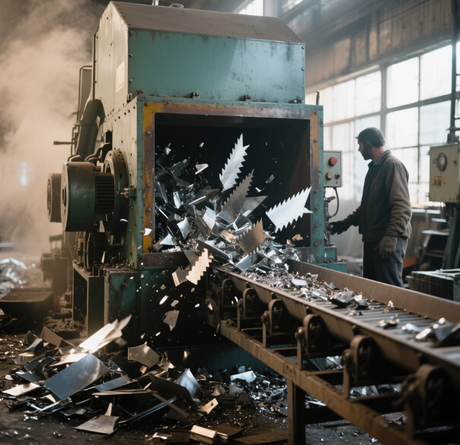
A Double Shaft Shredder works differently from a crusher. You use this machine to process softer, bulkier, or mixed materials. The Double Shaft Shredder features two counter-rotating shafts equipped with staggered blades. These blades grip, tear, and shear materials using high torque and shear force.
Here’s how the Double Shaft Shredder operates:
Feeding the Material: You feed materials into the shredder through a hopper, either manually or with a conveyor belt.
Shredding Process: The two shafts rotate slowly but powerfully, grabbing the materials as they enter the chamber.
Cutting and Tearing: Interlocking cutters slice through the material, breaking it down into smaller pieces with high torque.
Output of Shredded Material: Shredded pieces exit through a screen. You can adjust the output size by changing the screen.
The main components of a Double Shaft Shredder include:
Component | Description |
|---|---|
Lower Box | The base structure of the shredder. |
Upper Box | The top part that houses the shredding mechanism. |
Inner Partition | Divides the shredding chamber for better material handling. |
Knife Shaft | The rotating shafts that hold the cutting blades. |
Moving Knife | The blades that actively cut and shred the material. |
Fixed Knife | Stationary blades that assist in the shredding process. |
Roller Bearing | Supports the rotation of the knife shafts. |
Fixed Knife Fixed Plate | Holds the fixed knives in place and provides structural integrity. |
Sealing Structure | Prevents material leakage and ensures safe operation. |
You benefit from the Double Shaft Shredder’s ability to handle a wide range of materials, such as plastics, metals, wood, and textiles. The machine uses high torque, ranging from 5,000 Nm to 80,000 Nm, depending on the size and application. Small-scale shredders operate with lower torque, while heavy-duty models handle tougher jobs with higher torque.
Note: Double Shaft Shredders excel in processing large, tough, and entangled items. You can use them for car tires, steel drums, electronics, and mixed waste streams.
Double Shaft Shredders operate at low speeds but deliver strong tearing and squeezing forces. This design makes them energy-efficient and versatile. You can process various waste and recycling materials with consistent results. The coordinated work of two shafts increases processing capacity and reduces energy consumption compared to crushers.
Feature | Double Shaft Shredder | Crusher |
|---|---|---|
Processing Capacity | Higher due to coordinated work of two shafts | Varies, generally lower than double shaft |
Energy Consumption | More energy-efficient due to torque distribution | Typically higher for tougher materials |
Material Handling | Suitable for tough, large, and entangled items | Better for softer materials |
You should choose a Double Shaft Shredder if you need to process bulky, mixed, or hard-to-handle waste. The machine’s versatility and efficiency make it a top choice for recycling centers, waste management facilities, and industrial applications.
You will notice clear design differences between crushers and double shaft shredders.
Shredders operate at low speeds and use high torque to cut materials into blocky pieces.
Crushers use high-speed hammers or compressive force to smash materials into finer particles.
Shredders produce larger, chunkier output, while crushers create smaller, finer materials.
When you look at a double shaft shredder, you see robust construction and features that support heavy-duty use. The table below highlights important design features:
Feature | Description |
|---|---|
Robust Construction | High-quality materials ensure durability and longevity, suitable for demanding industrial settings. |
Maintenance Features | Heavy-duty bearings and sealed housings protect against wear, making maintenance easier. |
Wear Resistance of Blades | High-strength alloy steel blades reduce the need for frequent replacements. |
Modular Design | Easy access for inspection and maintenance extends operational life. |
Tip: You can rely on a double shaft shredder for tough jobs because of its strong build and easy maintenance.
You get different output sizes and consistency from crushers and shredders. Crushers usually produce finer, more uniform particles. Double shaft shredders give you variable and adjustable shred sizes. The table below compares output consistency:
Feature | Single-Shaft Shredder | Dual-Shaft Shredder |
|---|---|---|
Output Consistency | High (uniform particle size) | Variable (adjustable shred size) |
Uniform output from a double shaft shredder improves material handling. This consistency helps you separate and process materials more efficiently in recycling operations. You achieve better recycling results when the output size is predictable.
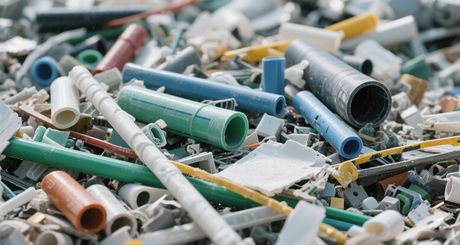
You can process a wide range of materials with a double shaft shredder. These machines handle plastics, metals, wood, textiles, and even bulky or entangled items like car tires and steel drums. Crushers work best for hard, dense materials such as rocks and minerals. If you need to process mixed or challenging waste streams, a double shaft shredder offers the versatility and efficiency you need.
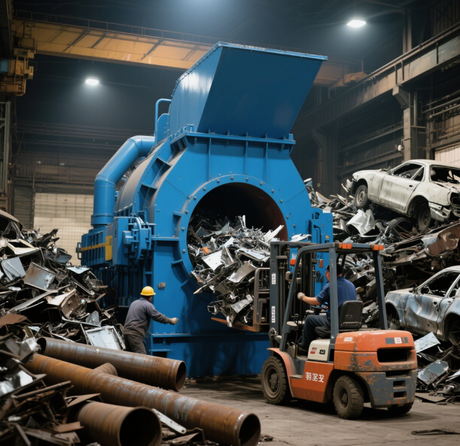
You play a key role in improving waste management when you use a Double Shaft Shredder. This machine helps you process municipal solid waste more efficiently. You can crush large items into smaller pieces, which speeds up disposal and makes sorting easier. Shredded materials are simpler to recycle, so you increase the recovery rates for plastics, paper, and metals. You also reduce environmental pollution because the shredder produces less dust and noise than older methods. Maintenance is straightforward, and the machine lasts a long time, which lowers your operating costs. You can handle many types of urban waste, including household and industrial trash.
Double shaft shredders excel in refuse-derived fuel (RDF) waste management. You achieve high shredding efficiency and uniform output, which is important for processing tough and mixed materials. This technology stands out compared to other shredding options, especially when you need consistent results for energy recovery.
Tip: You can adapt a Double Shaft Shredder to different waste streams, making it a smart choice for recycling centers and municipal facilities.
You find Double Shaft Shredders in many industries because of their versatility and reliable performance. The table below shows where you can use these machines and why they are popular:
Industry | Primary Reasons for Adoption |
|---|---|
Manufacturing | Efficient waste management, compliance with environmental regulations, focus on sustainability and recycling |
Automotive | Processing end-of-life vehicles, recycling valuable metals and materials |
Construction | Managing debris and waste from construction and demolition activities |
Agriculture | Efficient processing of agricultural waste and by-products |
Mining | Processing mining waste and ensuring safe disposal |
Waste Management | Managing municipal waste, reducing waste volume, facilitating recycling |
You can see real-world benefits in several case studies:
Textile recycling facilities use double shaft shredders to reduce scrap size, which improves waste handling.
Slaughterhouses process organic waste, such as bones and meat scraps, into energy. The shredder ensures uniform particle size for efficient biogas production.
Biomass pellet plants convert garden branches and wood boards into fuel pellets. The shredder boosts the efficiency of biomass conversion.
Note: You can rely on a Double Shaft Shredder to meet strict environmental standards and support sustainable practices in your industry.
When you choose between a crusher and a Double Shaft Shredder, you need to look at several important factors. The type of material you want to process plays a big role. Hardness, moisture content, and size all affect your decision. For example:
Harder materials need more energy to break down. Crushers work best for concrete or masonry, while Double Shaft Shredders handle mixed waste, wood, and softer items.
Wet materials can clog some crushers, but Double Shaft Shredders manage moisture better.
The size and shape of your input material will determine the feed size and capacity you need.
You should also consider the equipment’s quality, energy use, and industry certifications. The table below highlights key factors:
Factor | Description |
|---|---|
Equipment Type and Applicability | Double Shaft Shredders handle larger, tougher materials than single shaft shredders. Crushers suit hard, dense materials. |
Energy Consumption and Costs | Energy efficiency lowers your operating costs and reduces environmental impact. |
Quality and Durability | High-quality machines last longer and need fewer repairs. |
Industry Certification | Certified equipment meets safety standards and earns positive user reviews. |
Tip: Double Shaft Shredders are easier to maintain than more complex machines, which helps you save on long-term costs.
You want to make a smart investment. Here are some practical tips to help you evaluate the total cost of ownership:
Check energy efficiency. Machines that use less power save you money over time.
Look for reliable maintenance and support. Good after-sales service keeps your Double Shaft Shredder running smoothly.
Choose durability. High-quality machines may cost more at first, but they last longer and reduce downtime.
Consider ongoing expenses. Regular servicing and timely part replacements extend the life of your equipment.
Think about safety. Double Shaft Shredders run quieter and often include features like automatic reversing and torque limiters, making them safer to operate.
Note: Double Shaft Shredders process a wide range of materials with less maintenance and lower noise levels than crushers. This makes them a strong choice for many industries, especially when you need flexibility and reliability.You now understand the main differences between crushers and Double Shaft Shredders. Crushers work best for hard, dense materials, while Double Shaft Shredders handle mixed, bulky, or softer waste with high efficiency and versatility. To choose the right machine, you should:
List your options and key needs
Compare output size, material type, and maintenance
Use a decision matrix to weigh pros and cons
Remember: Regularly review your equipment’s performance and follow industry standards for safety and quality. This approach helps you make the best choice for your recycling or waste management needs.
You can process plastics, metals, wood, textiles, and bulky waste. Double Shaft Shredders handle mixed materials, including car tires and steel drums. You achieve reliable shredding results for recycling and waste management.
You get higher torque and better handling of tough, tangled materials with a Double Shaft Shredder. Two shafts grip and shear waste more efficiently. You see improved output consistency and lower maintenance needs.
You benefit from strong build quality, energy efficiency, and versatility. Double Shaft Shredders process large volumes of waste, reduce downtime, and support recycling goals. You meet strict environmental standards in your facility.
You can change the screen or adjust blade settings to control shred size. Double Shaft Shredders offer flexible output, so you match your recycling or disposal needs.
You find automatic reversing, torque limiters, and sealed housings in Double Shaft Shredders. These features protect you from jams, reduce noise, and improve operator safety.