Views: 0 Author: Site Editor Publish Time: 2025-10-08 Origin: Site
A single shaft shredder uses a rotating shaft with sharp blades to break down materials like plastics, wood, rubber, and textiles. You feed material into the shredder, and a hydraulic pusher moves it toward the shaft, which slices it into smaller pieces for recycling or disposal. Many manufacturers and recycling plants choose this shredder because it handles many types of waste and produces a consistent output size. In 2022, nearly half of industrial shredders sold were single shaft models. You may also compare this design to a Double Shaft Shredder when deciding on equipment.
A single shaft shredder efficiently breaks down various materials like plastics, wood, and textiles into smaller pieces for recycling or disposal.
Key components include a rotating shaft, sharp blades, and a hydraulic pusher, all working together to ensure effective shredding.
Adjustable output size is possible by changing the screen inside the shredder, allowing for flexibility based on recycling needs.
Single shaft shredders are energy-efficient and require less maintenance compared to double shaft models, making them a cost-effective choice.
These shredders are versatile and suitable for many industries, including recycling, waste management, and manufacturing.
You will find that a single shaft shredder has several important components. Each part works together to make the cutting process efficient and safe. Here is a table that shows the main elements and their roles:
Component | Description |
|---|---|
Frame | The support structure, usually made of steel, designed to withstand vibration and pressure. |
Rotating Shaft | Core component that transmits power to the blades, made of high-strength materials for durability. |
Blades | Shredding tools mounted on the shaft, designed for various materials based on shape and hardness. |
Feed System | Guides materials into the shredder, includes inlet and conveyor systems for material flow control. |
Electric Motor and Drive | Provides power to the shredder, enabling operation of the rotating shaft and blades. |
Discharge System | Outputs shredded materials, includes discharge outlet and conveyor for material direction control. |
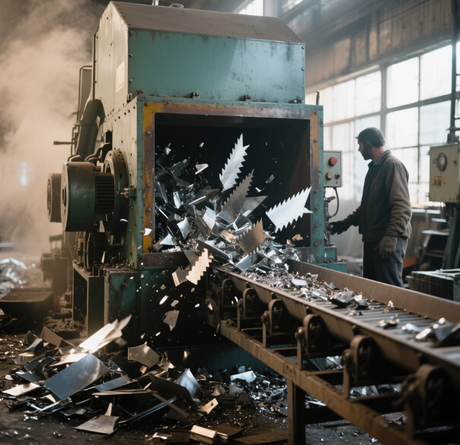
The shredding chamber is where the actual size reduction happens. You place materials like plastics, wood, or rubber into the feed system. The hydraulic pusher moves the material toward the rotating shaft. The blades then slice and break down the material. The discharge system collects the shredded pieces and sends them out for further processing.
Tip: The replaceable screen inside the shredding chamber lets you control the output size. You can adjust it for different recycling needs.
When you start the shredder, the electric motor powers the rotating shaft. The feed system guides the material into the shredding chamber. The hydraulic-driven swing pusher pushes the material toward the blades. The cutting process begins as the blades shred the material into smaller pieces.
Here is the typical sequence of operations:
You activate the power supply and feed the material into the machine.
The pressing device pushes the material to the shaft, clamping it between the fixed and moving knives.
The blades crush the material. If the material reaches the set limit, the push plate returns and unloads the material for further processing.
The rotor usually spins at speeds between 80 and 120 RPM. The classifier screen defines the output size, so you get consistent results. The auto-reverse function helps prevent jams and protects the shredder from overloads. You can shred plastics, paper, automotive parts, and light metals. The machine works well for PET bottles, PE/PP bottles, canisters, and buckets.
Safety features include starting and stopping controls, reversing functions, and automatic reversal during overloads. These features keep you safe and protect the shredder from damage.
When you choose a single shaft shredder, you get a machine with a simple yet powerful design. The single spindle shredding blade group sets it apart from other shredders. This design makes the shredder easier to maintain and operate. You can process solid, smaller objects and achieve a finer, more controlled output size.
Here are some standout features you will find in modern single shaft shredders:
Modular construction lets you tailor the shredder for different industries.
Interchangeable rotors and screens give you flexibility for various materials.
High-alloy, wear-resistant steel blades last longer and cut more efficiently.
Intelligent controls adjust shredding based on material density.
Real-time monitoring helps you spot issues early and plan maintenance.
Automated sorting systems can separate materials by type and quality after shredding.
Reinforced baseplates and cooling-equipped hydraulic systems boost performance.
Adjustable fixed blades and V-shaped rotors prevent material buildup.
Note: Many industrial shredder models now include safety features like automatic shut-off and material separation to protect both you and the machine.
A single shaft shredder brings several advantages to your operation. The V-shaped rotor and adjustable blades reduce resistance and improve shredding efficiency. You can control the output size with a sieve, making the shredder adaptable for different recycling needs. Flat and inclined push box designs ensure smooth feeding and high efficiency. The PLC control system allows you to monitor the shredder in real time, which increases reliability.
Here is a table that highlights the main advantages:
Advantage | Description |
|---|---|
Efficiency | Processes tough, bulky materials with minimal blockages. |
Versatility | Handles plastics, wood, metals, and more. |
Adjustable Output Size | Change the mesh screen to get the size you need. |
Low Energy Consumption | Uses less energy than traditional shredding methods. |
Low Noise | Runs quietly, making it suitable for many work environments. |
Easy Maintenance | Hydraulic access doors make maintenance quick and simple. |
Intelligent Control System | Real-time monitoring and diagnostics keep your industrial shredder running smoothly. |
You will find that a single shaft shredder offers lower energy consumption and maintenance costs compared to traditional shredding methods. This makes it a smart choice for many industrial shredder applications.
You will find single shaft shredders in many industries that need to process waste or prepare materials for recycling. These machines help you reduce bulky items and create uniform pieces for further use. Here are some of the most common industries that rely on this type of shredder:
Recycling facilities use shredders to break down plastics, rubber, wood, and paper. You can achieve a consistent particle size, which is important for making products like refuse-derived fuel (RDF).
Waste management companies use shredders to prepare materials for separation and classification. This step helps you remove impurities and increase the density of the shredded material.
Manufacturing plants often use shredders to handle production waste. You can process offcuts, defective products, and packaging materials efficiently.
Wood processing and forestry operations use shredders to turn pallets, trimmings, and green waste into manageable pieces.
Paper mills and cardboard producers use shredders to recycle mixed paper streams and corrugated cardboard.
Tip: By using a single shaft shredder, you can improve your recycling rates and reduce landfill waste in your industry.
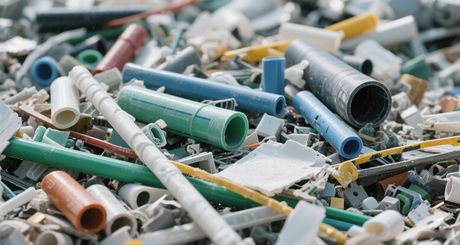
A single shaft shredder handles a wide range of materials. You can process both rigid and flexible items, making this machine very versatile. Here is a table that shows some of the best-suited materials and the typical particle sizes you can achieve:
Material Type | Examples | Minimum Particle Size (mm) |
|---|---|---|
Rigid plastics | PVC pipes, ABS fittings | 3-5 |
Film and flexible packaging | Shopping bags | 3-5 |
Composite materials | Plastic-wood composites | 5-10 |
Wood | Pallets, demolition wood, tree waste | 5-10 |
Paper and cardboard | Newspapers, magazines, corrugated | 2-5 |
Light metal components | Aluminum extrusions | 10-20 |
Electronic waste (e-waste) | Circuit boards, small devices | 10-20 |
Glass and ceramics | Bottles, tiles | 1-3 |
You can adjust the screen inside the shredder to control the output size. For plastics, you may reach a minimum of 3-5 mm, and for paper, as small as 2 mm. Wood and metals usually produce slightly larger particles. This flexibility lets you match the shredded material to your recycling or production needs.
Note: Always check the material type and moisture content before shredding. This step helps you get the best results and protects your shredder from damage.
When you choose a shredder for your facility, you need to understand the differences between a single shaft and a two shaft shredder. Each type has a unique structure, working principle, and set of applications. Knowing these differences helps you select the right equipment for your needs.
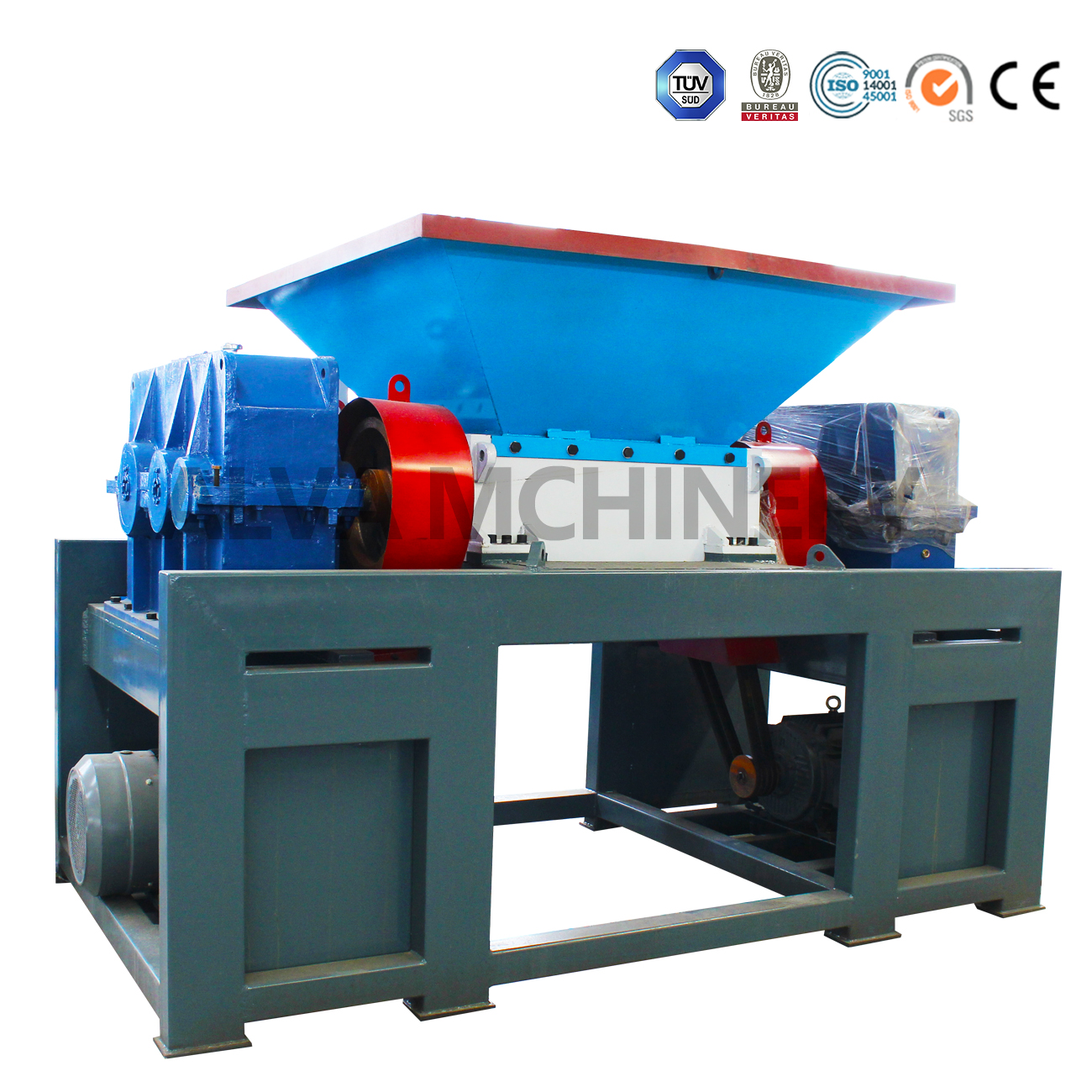
A two shaft shredder, also called a double shaft shredder, uses two intermeshing shafts that rotate in opposite directions. This design gives you high torque and strong tearing power. You can process tough, bulky materials that a single shaft shredder cannot handle. The table below highlights the main differences between these two machines:
Item | Single Shaft Shredder | Double Shaft Shredder |
|---|---|---|
Structure | One rotor + hydraulic/electric pushing device | Two intermeshing shafts |
Working Principle | Shearing by single rotor + material pushing | Counter-rotating shafts tear materials apart |
Suitable Material Types | Plastics, wood, wires, fiber, light materials | Metal, rubber, waste appliances, bulky industrial waste |
Discharge Control | Precise, controlled by screen | Less controllable, often requires secondary shredding |
Discharge Size | Adjustable with screen | Irregular, less controlled |
Shredding Efficiency | Lower, focused on precision | High, strong tearing force |
Cutter Structure | Fixed blade + rotating rotor blades | Interlocking twin shafts |
Maintenance Frequency | Higher (pushing system wears out faster) | Lower (more robust structure) |
Energy Consumption | Relatively low | Relatively high |
Cost | Generally lower than double shaft | Generally higher than single shaft |
Typical Applications | Plastic recycling, wood processing, films, light waste | Tires, metal drums, furniture, appliance shells, hazardous waste |
Screen Requirement | Yes, screen controls output particle size | No, typically used as primary shredder |
Shredding Precision | High (can achieve fine shredding) | Low (used for coarse shredding) |
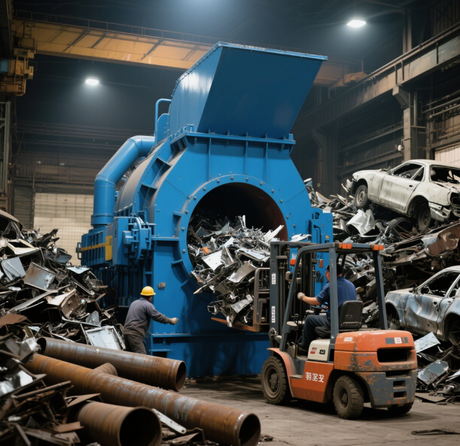
A double shaft shredder stands out because of its high torque output. You get two rotating shafts that work together to tear, shear, and crush materials. This makes the double shaft shredder ideal for heavy-duty tasks. You can shred items like tires, metal drums, large furniture, and electronic waste. The machine handles materials that are too tough or bulky for a single shaft shredder.
Note: The double shaft shredder does not use a sizing screen. You get irregular particle sizes, which works well for primary shredding but may require a secondary process for finer results.
The working principle also differs. A single shaft shredder uses one rotor with sharp blades and a screen to control output size. In contrast, a two shaft shredder uses counter-rotating shafts that pull and tear materials apart. This action gives you more power and efficiency when processing solid waste.
You will notice that maintenance needs also differ. A single shaft shredder requires more frequent maintenance because the pushing system wears out faster. The double shaft shredder has a more robust structure, so you spend less time on repairs, but the parts can be more expensive.
When you look at cost, a double shaft shredder usually costs more to buy and operate. The price range for a single shaft shredder is $3,000 to $120,000. For a double shaft shredder, you can expect to pay between $10,000 and $230,000. The higher price reflects the machine’s heavy-duty design and greater versatility.
Space is another factor. A single shaft shredder is more compact, so you can use it in smaller work areas. A double shaft shredder needs more space because of its dual-shaft configuration and larger frame.
You need to consider several factors before you decide between a single shaft and a double shaft shredder. The right choice depends on your material, capacity needs, and desired output.
Here are the main points to help you decide:
Material Compatibility: If you process softer materials like plastics, paper, or textiles, a single shaft shredder works well. For tough, bulky, or rigid items such as metal, tires, or e-waste, a two shaft shredder is the better option.
Shredding Capacity: A double shaft shredder gives you higher throughput and can handle larger volumes. Choose this type if you need to process a lot of material quickly.
Output Size and Uniformity: If you need a uniform, fine output, a single shaft shredder with a screen is best. If you only need coarse shredding, a double shaft shredder will do the job.
Processing Efficiency: Double shaft shredders use high torque and self-feeding action, which increases efficiency for tough materials. Single shaft shredders use forced feeding and are more precise but less powerful.
Energy Consumption: Single shaft shredders use less energy. Double shaft shredders consume more power because of their dual motors and heavy-duty operation.
Maintenance and Cost: Single shaft shredders are easier and cheaper to maintain, but need more frequent service. Double shaft shredders last longer between maintenance but cost more to repair and operate.
Space Requirements: If you have limited space, a single shaft shredder is more suitable. Double shaft shredders need more room for installation and operation.
The table below summarizes these factors:
Factor | Single Shaft Shredder | Double Shaft Shredder |
|---|---|---|
Material Compatibility | Softer, less demanding materials | Tough, bulky, rigid materials |
Shredding Capacity | Lower | Higher |
Output Size | Uniform, adjustable | Irregular, coarse |
Processing Efficiency | Lower | Higher |
Energy Consumption | Lower | Higher |
Maintenance Costs | Lower, more frequent | Higher, less frequent |
Space Requirements | Compact | Requires more space |
Price Range | $3,000 - $120,000 | $10,000 - $230,000 |
Tip: Always match your shredder to your specific application. If you need to shred large, tough items or require high throughput, a double shaft shredder is your best choice. For finer, controlled shredding of lighter materials, a single shaft shredder will serve you well.
You should also think about your long-term needs. If your business may expand or handle new types of waste, a double shaft shredder offers more flexibility. If you focus on a single material type and need precise output, stick with a single shaft shredder.
You should choose a single shaft shredder when you need to process lighter or medium-volume materials and want precise particle size control. Common uses include domestic garbage, paper, and plastic film.
You benefit from:
Durable steel blades and strong motors for long-lasting use
Lower maintenance and reduced downtime
Versatility for many material types
Before you decide, think about your material’s properties and your output needs. For brittle or bulky items, a Double Shaft Shredder may work better. Always match your shredder to your specific application for the best results.
You can shred plastics, wood, paper, textiles, and light metals. Single shaft shredders work best for softer or medium-density materials. For tougher items like tires or large metal parts, you should consider a Double Shaft Shredder.
A single shaft shredder uses one rotor and a screen for precise output. A Double Shaft Shredder uses two counter-rotating shafts for higher torque and can handle bulky, tough materials. You get more uniform pieces with a single shaft model.
Choose a Double Shaft Shredder if you need to process large, rigid, or tough materials like metal drums, tires, or appliances. It offers higher throughput and durability for heavy-duty applications.
You control the output size by changing the screen inside the shredder. Smaller screen holes produce finer particles. Double Shaft Shredders usually do not use screens, so their output size is less consistent.
Look for emergency stop buttons, automatic reverse functions, and overload protection. These features help prevent jams and protect both you and the machine. Double Shaft Shredders often include robust safety systems for handling tough materials.