Views: 0 Author: Site Editor Publish Time: 2026-06-25 Origin: Site
Many operators assume faster processing speeds always guarantee better shredding efficiency. However, focusing solely on high RPMs often leads to a misguided operational strategy. True processing efficiency requires a smart combination of high throughput, minimal downtime, and carefully optimized energy consumption over time.
Industrial facilities frequently struggle when handling bulky, mixed, or highly resistant materials. These challenging waste streams inevitably cause frequent jams in standard high-speed equipment. They accelerate mechanical wear on critical machine components. Furthermore, these constant operational interruptions drive up daily operating expenses significantly.
A Double Shaft Shredder maximizes your operational efficiency through a highly effective approach. It utilizes a rugged low-speed, high-torque shearing mechanism. This specialized design ensures continuous material breakdown. It actively prevents catastrophic system jams. It also effectively lowers your long-term maintenance requirements without ever sacrificing overall processing capability.
Torque Over Speed: Low-speed, high-torque operation prevents jams and handles dense materials (e-waste, tires, metals) better than single-shaft alternatives.
Component Synergy: Efficiency relies on the correct configuration of counter-rotating blades, drive systems (electric vs. hydraulic), and auto-reverse controls.
Strategic Placement: Double shaft shredders excel as primary volume-reduction units (pre-shredders) rather than fine-sizing machines.
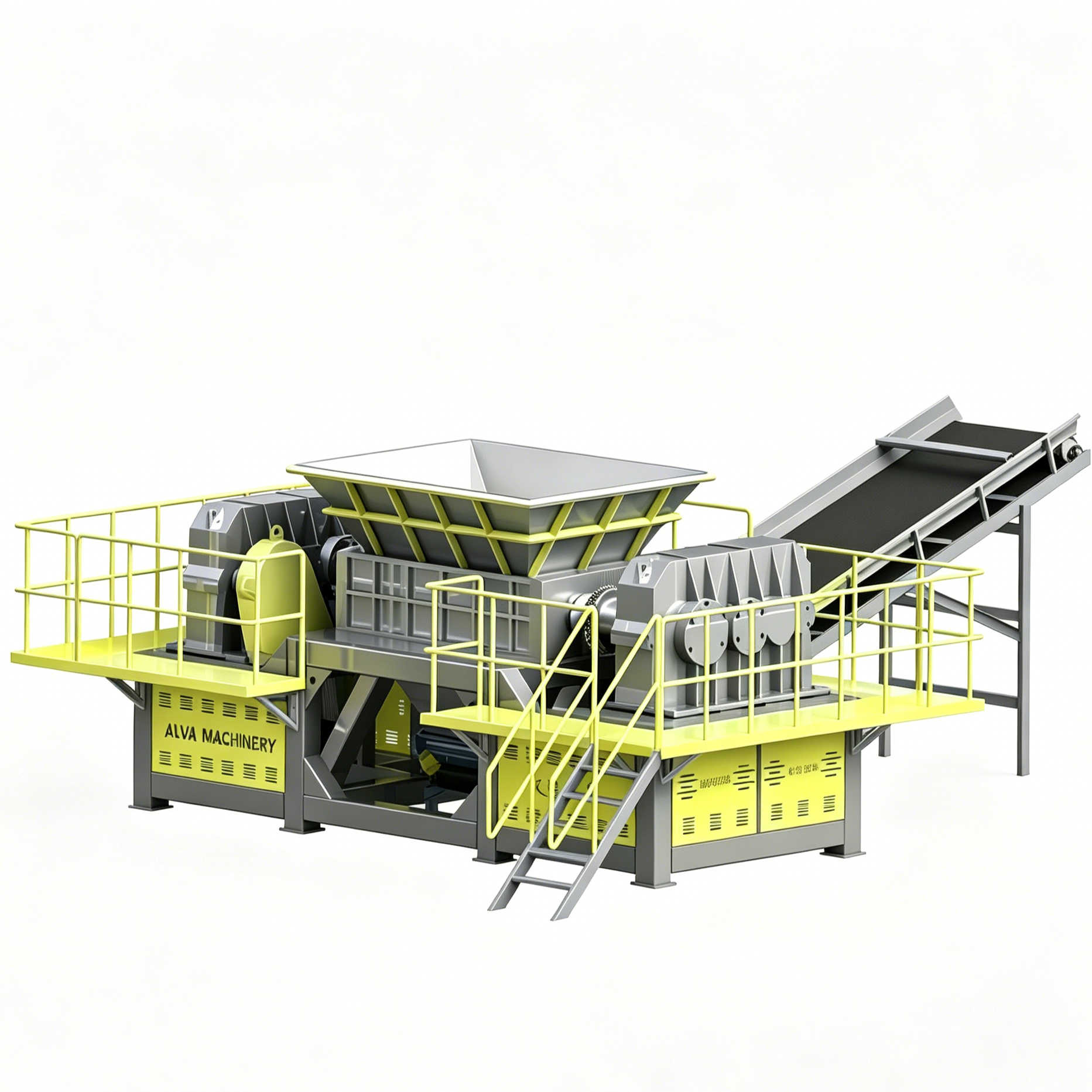
The core mechanism relies on dual counter-rotating hexagonal shafts. These heavy-duty shafts pull bulky material downward into the cutting chamber. They utilize shear, tear, and fracture forces simultaneously. The interlocking blades trap the waste. They rip apart dense items effortlessly. You achieve consistent primary breakdown without relying on sheer speed. This multi-force approach guarantees excellent material ingestion. It handles irregular shapes easily. You rarely experience material bouncing or floating above the cutting zone.
Efficiency depends on how well a machine transfers power. Manufacturers achieve this by gearing down the motor speed. A robust gearbox drastically reduces the rotational speed of the shafts. This speed reduction multiplies the available torque. You can process extremely tough materials smoothly. You do not need exponentially larger motors to generate this crushing power. Your facility saves significant electrical energy over time. The system operates efficiently under heavy loads.
System jams destroy processing efficiency. Modern machines solve this using PLC-controlled auto-reversing sensors. The programmable logic controller monitors the motor load constantly. It detects when the machine hits a specific torque limit. The shafts instantly reverse their direction. They safely reposition the stubborn material. Then, they resume normal forward rotation. This smart sequence virtually eliminates manual clearing downtime. Your operators stay safe. Your production line remains continuously active.
High-speed machines create extreme friction. They generate massive amounts of heat during operation. Low-speed operation avoids these destructive forces entirely. It preserves the structural integrity of your cutting blades. The steel retains its hardness longer. It also reduces dangerous fire risks significantly. This matters greatly when processing volatile materials. E-waste and lithium batteries can easily ignite under high friction. Low-speed processing keeps the environment stable and safe.
Electronic waste presents unique processing challenges. These items contain a chaotic mix of hard plastics, circuit boards, and tough metal casings. You need equipment that processes them safely. An Industrial Double Shaft Shredder crushes these diverse materials simultaneously. It accomplishes this safely without creating spark hazards. The low-speed shearing action tears through rigid components easily. It frees valuable internal metals for downstream sorting.
Tires consist of highly elastic, high-memory materials. They contain tough steel wire beads inside thick rubber. Standard high-speed cutters often bounce these materials around uselessly. Dual shafts work differently. They actively grab the elastic material. They pull it downward and shear it decisively. This prevents the rubber from stretching and snapping back. You achieve clean cuts. The machine breaks down passenger and truck tires with remarkable consistency.
Municipal solid waste often arrives completely unsegregated. You will find mattresses, appliances, wood pallets, and plastics mixed together. Processing these streams requires immense flexibility. Dual shaft machines handle unsegregated waste streams effortlessly. You do not need frequent machine reconfiguration. The high torque rips through soft fabrics and hard metals alike. It simplifies your intake process dramatically. Your facility handles diverse daily deliveries without hesitation.
Investing in versatile equipment transforms your business model. You gain a powerful primary processing asset. Recycling plants can quickly pivot between different lucrative waste streams. If the tire recycling market slows down, you can switch to e-waste. You do not need to invest in new primary machinery. This adaptability ensures your processing lines always remain profitable. It protects your business against sudden market fluctuations.
Single shaft machines operate at much higher speeds. They feature a sizing screen beneath the cutting rotor. They are best for producing uniform, smaller output sizes. However, they struggle massively with large, bulky items. Massive metal pieces or thick cables cause severe problems. They have a much higher risk of wrapping or jamming. You should only use them for secondary processing.
This design is the optimal choice for primary volume reduction. It handles rough shredding tasks perfectly. We must acknowledge its main limitation clearly. It produces variable output sizes, usually in the form of irregular strips or chunks. It typically lacks a sizing screen entirely. The goal is rapid volume reduction, not precise sizing. It prepares the material for secondary processing steps efficiently.
Quad shaft models feature four independent cutting rotors. They integrate sizing screens directly into the design. They are necessary only when you demand both bulk reduction and immediate uniform sizing in a single pass. This capability comes at a steep price. They require significantly higher initial capital expenditure. They also introduce immense maintenance complexity. You must service four sets of shafts and blades.
You must apply logical criteria when selecting your equipment. Rule out the dual shaft design if strict, small uniform sizing is your immediate goal. Choose it confidently if primary breakdown is your main objective. Specify it if volume reduction and raw throughput reliability act as your core metrics. It excels when you simply need to rip bulky items down to manageable pieces.
The following table summarizes the operational differences between the three main configurations. Use this chart to guide your facility's procurement strategy.
Shredder Type | Operating Speed & Torque | Sizing Screen Included? | Ideal Application | Primary Drawback |
|---|---|---|---|---|
Single Shaft | High Speed, Low Torque | Yes | Secondary fine sizing, uniform output | High risk of jamming on bulky items |
Double Shaft | Low Speed, High Torque | No | Primary bulk reduction, tough materials | Produces irregular, varying output sizes |
Quad Shaft | Low Speed, High Torque | Yes | Single-pass reduction and fine sizing | Extremely high capital and maintenance costs |
You must select the correct drive system for your specific material stream. Hydraulic drives offer superior shock absorption. They handle highly unpredictable materials exceptionally well. If your waste stream hides solid steel blocks, hydraulic drives prevent catastrophic failure. Electric motor drives serve a different purpose entirely. They deliver lower baseline energy consumption. They also provide easier routine maintenance. Choose electric drives for steady, consistent, and predictable material streams.
Blade design dictates your cutting efficiency entirely. You must evaluate hook count, blade thickness, and metallurgy. A higher hook count increases the biting frequency on lightweight materials. Thicker blades handle heavy metal shearing without fracturing. The material composition is equally vital. Demand surface-hardened alloys or specialized tool steel. Proper metallurgy ensures the blades withstand constant abrasive wear. It maximizes the operational lifespan of the cutting chamber.
Material feeding must remain smooth and uninterrupted. Lightweight or extremely bulky materials often cause feeding problems. They can bridge across the hopper. They might float harmlessly above the rotating blades. Evaluate the necessity of hydraulic pusher rams. These heavy-duty rams force stubborn material downward. They push the waste directly into the cutting chamber. They prevent bridging actively. They ensure the blades always have material to shear.
Maintenance downtime directly hurts your processing efficiency. You must assess the downtime required for routine blade replacement. Traditional designs require operators to disassemble the entire machine to access the shafts. Prioritize machines featuring split-bearing housings. Look for modular shaft removal systems. These intelligent designs allow your technicians to lift the entire shaft assembly out quickly. They make blade swaps fast, safe, and highly efficient.
The Core Issue: Dumping material too quickly causes severe bottlenecks in the cutting chamber. The machine struggles to process the massive sudden load. Conversely, underfeeding the machine wastes valuable electrical energy. The motors spin without doing productive work.
The Mitigation Strategy: You must control the material intake strictly. Implement metered conveyors to deliver waste steadily. Install smart feed sensors in the hopper. These sensors communicate with the infeed conveyor. They pause the conveyor automatically when the hopper becomes too full.
The Core Issue: Operators often run blades until they become completely blunt. Dull blades transition from a clean shearing action to a brute-force crushing action. This drastically increases motor strain. It spikes your baseline energy consumption. It severely reduces your daily throughput.
The Mitigation Strategy: You must establish strict, proactive maintenance schedules. Schedule hard-facing and blade re-sharpening intervals based on actual processed tonnage. Do not base maintenance solely on the calendar time. Tracking tonnage guarantees you service the blades exactly when they need it.
The Core Issue: Facility managers sometimes expect uniform, tiny particles from primary processing equipment. This expectation leads to severe problems. Long, oversized strips exit the machine. These irregular pieces quickly jam sensitive downstream sorting equipment or fine granulators.
The Mitigation Strategy: You must understand the equipment's true purpose. Pair the primary machine with specialized secondary equipment. Send the rough strips into a secondary single-shaft machine or a dedicated granulator. This creates a complete, highly efficient closed-loop processing system.
A dual shaft processing machine improves your facility's efficiency by working smarter, not faster. It deliberately utilizes extreme torque, precise shear force, and automated jam recovery systems. These mechanisms combine to maintain continuous, uninterrupted throughput. You avoid the costly downtime associated with high-speed equipment. You break down the most resilient materials effortlessly while preserving your critical machine components.
We advise buyers to audit their primary waste streams carefully before making a purchase. Document the average density, maximum dimensions, and typical contaminants found in your material. Reach out to manufacturers and request comprehensive pilot testing. Ask for material-specific blade configurations tailored to your unique needs. Taking these practical steps ensures you secure the perfect equipment for your specific operational demands.
A: Generally, no. They are designed for primary volume reduction. Without a sizing screen, the output is typically irregular strips or large chunks. Secondary processing equipment is almost always required for uniform fine sizing.
A: It is highly dependent on the material. Processing abrasive materials like tires or thick metal requires frequent blade inspection, often monthly. Processing softer plastics naturally extends the blade lifecycles. Emphasize preventative hard-facing to protect your investment.
A: Electric drives are much more energy-efficient for steady, predictable material loads. Hydraulic drives are more efficient at absorbing sudden, violent torque shocks, such as hitting solid steel blocks. Hydraulics excel at preventing catastrophic mechanical failure.