Views: 0 Author: Site Editor Publish Time: 2026-03-30 Origin: Site
Scrap metal recycling plays a crucial role in modern industries, contributing to sustainability and reducing the need for raw material extraction. In this process, efficient scrap handling is key to minimizing costs and improving operational efficiency. One of the pivotal tools in this transformation is the industrial metal crusher. This article will explore how industrial metal crushers revolutionize scrap handling, providing key benefits, features, and applications that improve recycling operations.
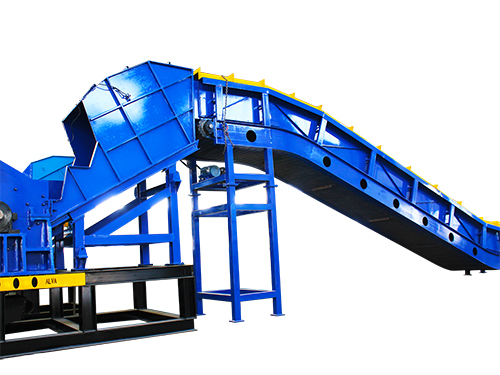
Handling scrap metal efficiently has always been a challenge. Scrap metal can be bulky, difficult to manage, and expensive to transport. Without proper processing, scrap occupies significant space, leading to high storage and transportation costs. Moreover, traditional methods of handling scrap often pose safety risks, as large, sharp pieces of metal can cause workplace accidents.
As industries strive for greater sustainability, the demand for better recycling solutions has increased. By turning to more efficient processing methods, such as the industrial metal crusher, businesses can streamline their operations, reduce waste, and support the circular economy. The transformation of scrap handling through the use of crushers not only addresses these challenges but also contributes to more efficient material recovery and resource conservation.
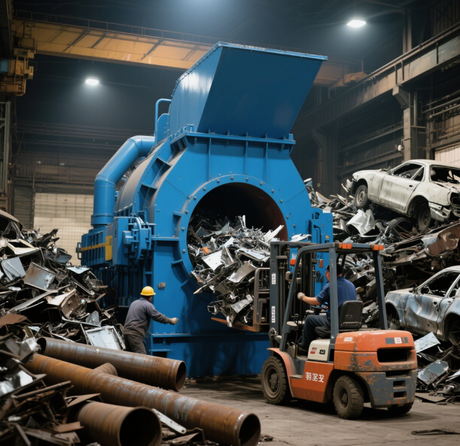
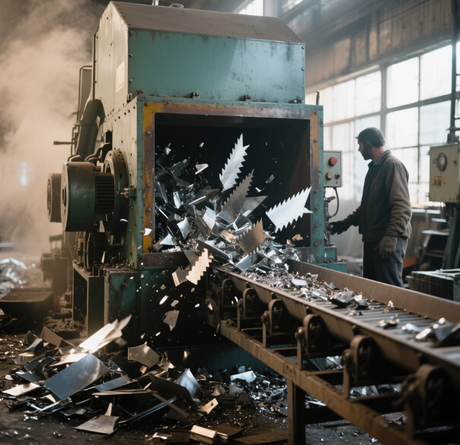
An industrial metal crusher is a heavy-duty machine designed to break down large pieces of scrap metal into smaller, more manageable parts. This process makes the material easier to handle, transport, and recycle. Unlike general-purpose metal crushers, industrial models are built for high-volume operations and can crush various types of scrap metal, including turnings, chips, and even car parts.
The core function of the crusher is to reduce the size of metal objects, thereby increasing their density and compactness. These crushers use a combination of shear, impact, and compression mechanisms to break down metals efficiently.
Industrial metal crushers are built to withstand the rigors of continuous operation. They are typically made from high-strength steel and equipped with reinforced rotors, cutting blades, and liners that can endure heavy loads and impact. These machines are designed to process large volumes of material without compromising performance.
The crushing process can vary depending on the type of machine used. Common mechanisms include:
Impact Crushers: Use high-speed rotating blades to strike the material and break it down.
Shear Crushers: Employ cutting blades to slice through scrap, offering greater control over the size and shape of the output.
Compression Crushers: Utilize pressure to crush metal, often used for denser materials like large sheets or car parts.
These crushers are capable of handling different types of scrap metal, including ferrous and non-ferrous metals, depending on the machine's design and the type of material it is intended to process.
Modern industrial metal crushers often come with advanced automation systems that optimize the crushing process. These systems monitor material flow, adjust crushing speed, and provide feedback on machine performance. Additionally, industrial metal crushers are equipped with safety features such as overload protection, emergency stops, and dust suppression systems to ensure safe operation in a demanding environment.
One of the primary benefits of using an industrial metal crusher is the significant reduction in scrap volume. By compressing large metal pieces into smaller, denser forms, crushers make it easier to store and transport scrap. For example, a crusher can reduce scrap volume by as much as 80%, helping businesses save on storage space and transportation costs.
Crushing scrap metal into smaller, uniform pieces improves material flow through the recycling process. Smaller pieces are easier to sort, handle, and feed into melting furnaces or other recycling equipment. This streamlined material flow helps optimize the entire recycling operation, ensuring that metals are processed more efficiently and at a faster pace.
An industrial metal crusher also contributes to higher-quality scrap recovery. By reducing metal to a manageable size, impurities can be more easily separated, increasing the purity of the recovered material. This leads to better prices for the scrap metal in the market, as higher-quality scrap commands higher resale values.
Crushers also lead to operational cost savings in several ways. First, by reducing the volume of scrap, companies can lower the number of shipments required, saving on transport and handling costs. Additionally, the efficient processing of scrap allows businesses to reduce downtime, which further enhances productivity. With more compact and standardized scrap, sorting and processing times are also reduced, making the entire operation more cost-effective.
Handling large, sharp, or bulky scrap metal poses significant safety risks. An industrial metal crusher mitigates these risks by breaking down the scrap into smaller, safer pieces that are easier to manage. Crushers also reduce the need for manual labor in scrap handling, which lowers the chances of injury in the workplace.
Industrial metal crushers are widely used across various sectors where scrap metal is a byproduct. Some common applications include:
Metalworking Shops: Crushing metal turnings, chips, and shavings created during machining processes.
Recycling Yards: Processing mixed scrap, car parts, and construction debris.
Foundries and Smelting Operations: Preparing scrap metal for melting, where size reduction is crucial for efficient melting and separation.
Crushers can be used in a range of operations, from small-scale scrap yards to large industrial recycling facilities, and are designed to handle high volumes of material quickly and efficiently.
When selecting an industrial metal crusher, several factors need to be considered:
Scrap Type: Different machines are better suited for different types of scrap. For example, vertical axis crushers are ideal for dealing with metal turnings and chips, while horizontal crushers can handle larger scrap like car bodies and appliance parts.
Capacity: The size and throughput capacity of the machine should match the volume of scrap being processed.
Space Requirements: Crushers come in different sizes, and selecting the right one will depend on available space and operational needs.
Safety & Maintenance: Look for crushers with built-in safety features, easy access for maintenance, and low operating costs.
Choosing the right industrial metal crusher will depend on your specific needs, whether you're dealing with smaller, lighter scrap or large, heavy materials.
The demand for scrap metal recycling is expected to grow, driven by increasing industrial production and the need for sustainable practices. As the recycling industry evolves, so will the technology behind industrial metal crushers. Future trends may include even more energy-efficient machines, enhanced automation, and better integration with other recycling processes, such as sorting and melting.
Additionally, as regulations around waste management and recycling become stricter, the role of crushers in helping businesses meet these standards will become more significant. Crushers will play a central role in achieving higher recycling rates, lower environmental impact, and greater material recovery.
An industrial metal crusher is a powerful tool that transforms scrap handling from a challenging, costly process into a streamlined, efficient, and cost-effective operation. By reducing scrap volume, improving material flow, increasing recoverable value, and ensuring safety, industrial metal crushers offer substantial benefits for businesses in recycling and metalworking industries. As industries continue to seek greater sustainability and efficiency, industrial metal crushers will remain a key piece of the puzzle in optimizing scrap handling and metal recycling.