Views: 0 Author: Site Editor Publish Time: 2025-07-11 Origin: Site
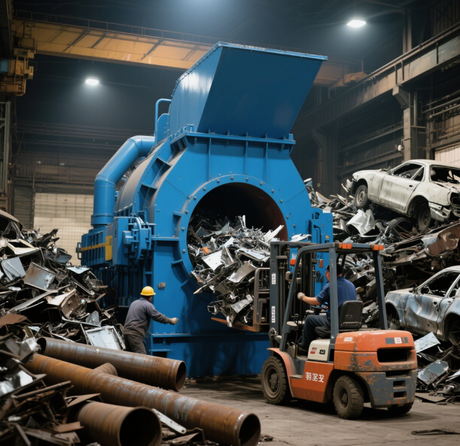
Metal crushers are powerful machines designed to crush and break down large and durable metal materials into smaller, manageable pieces. These crushers are widely used in various industries for recycling, demolition, and other purposes where large pieces of metal need to be reduced to a more convenient size. Understanding the instruments used in metal crushers is crucial to grasping how they function, their applications, and the engineering behind these machines. In this article, we will explore the different components and tools that make a metal crusher efficient and effective.
Metal crushers, also known as scrap metal crushers or metal shredders, are machines used to reduce scrap metal into smaller pieces or shreds. They are primarily used for processing aluminum, steel, copper, and other metal waste, transforming these materials into manageable forms for recycling. Metal crushers come in various designs, ranging from small, portable units to large, industrial-grade machines capable of handling tons of metal every hour.
The design of metal crushers generally incorporates high-strength instruments capable of withstanding heavy loads and intense force. These instruments enable the crushers to break down thick, dense metals with efficiency and speed. The process involves multiple stages, including the use of tools that crush, shear, and compress the metal into smaller pieces.
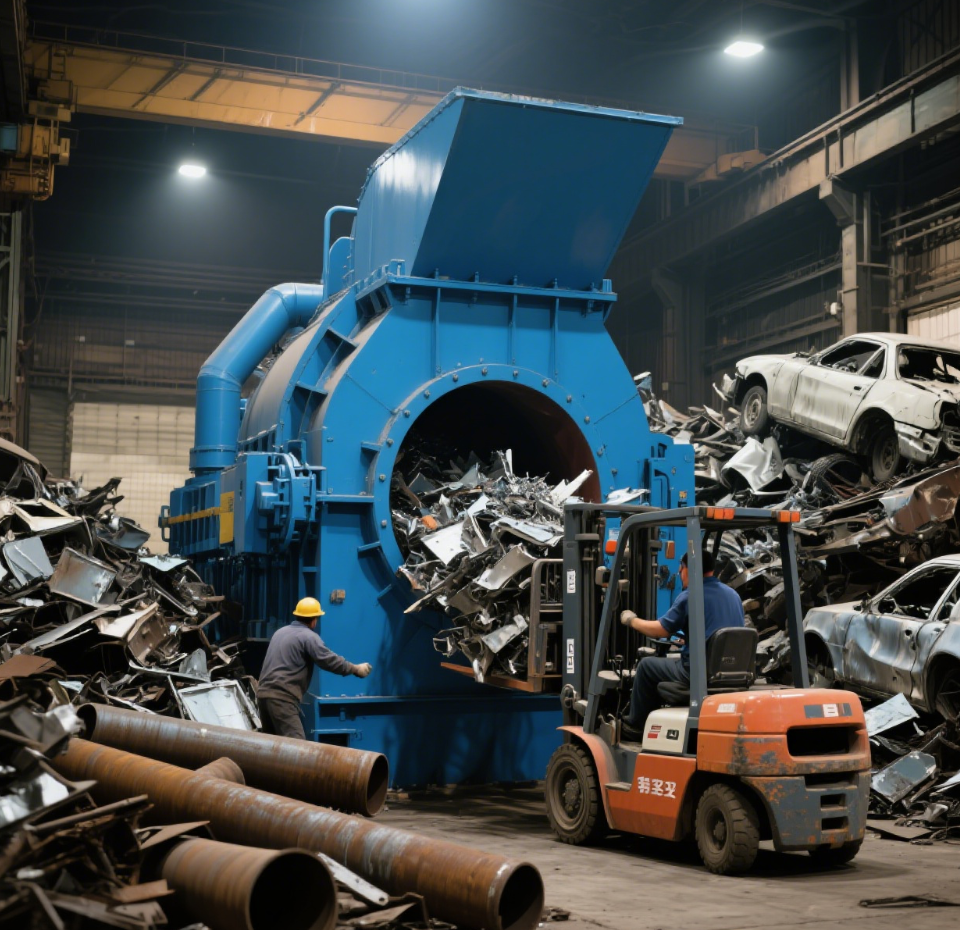
Metal crushers consist of several key instruments that perform distinct roles in the crushing process. These instruments work in unison to ensure efficient crushing, material handling, and output.
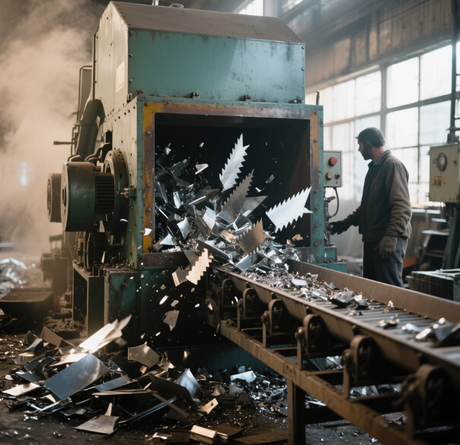
Shredder blades are one of the most critical components in a metal crusher. These blades are typically made from high-carbon steel or other durable materials designed to withstand the force and pressure of crushing hard metal objects. The blades are sharp, and their primary function is to shear or cut metal scrap into smaller pieces. The number and arrangement of blades can vary depending on the crusher’s design and the type of metal being processed.
Function: Shredder blades cut the metal into smaller pieces by applying a shear force.
Materials Used: High-carbon steel, tungsten carbide, or hardened alloys.
Common Types: Rotary blades, fixed blades, and counter-blades.
Hydraulic systems are essential for metal crushers, especially those with a more advanced design. Hydraulic systems provide the necessary force to move and compress metal objects, making it easier for the shredder blades to break them down. The hydraulic mechanism is particularly useful for crushing thick metal plates or compacting large volumes of metal scrap into a smaller, more manageable size.
Function: Provide force for compression and pushing metal into the shredder blades.
Components: Hydraulic pumps, cylinders, valves, and hydraulic fluids.
Benefits: Hydraulic systems increase crushing efficiency and reduce energy consumption.
The rotary drum is a cylindrical component that plays a significant role in the crushing process. It contains the shredder blades or hammers and rotates at high speeds. As the drum spins, metal objects are forced into the blades or hammers, which break them down. The speed and rotation of the drum can be adjusted to match the type of metal and the desired output size.
Function: Rotates to feed metal into the blades or hammers for crushing.
Design: Typically a heavy-duty, thick-walled cylinder.
Adjustment: The speed of the drum can be varied to control the crushing efficiency.
Hammers or impact bars are vital parts of many metal crushers, especially those using impact crushing technology. These tools strike the metal scrap with great force, breaking it into smaller fragments. The hammers are usually made of tough alloys, such as high manganese steel, to withstand the high impacts associated with the crushing process.
Function: Hammer or impact bars strike metal scrap to break it into smaller pieces.
Materials Used: High manganese steel, tungsten carbide.
Types: Swing hammers, fixed hammers, or heavy-duty impact bars.
Conveyor belts are used to transport metal scrap into the crusher and move crushed metal to the discharge area. These belts are essential for automating the metal crushing process and ensuring a continuous flow of materials into the machine. Depending on the crusher’s design, the conveyor system may include multiple belts or feeders for optimal operation.
Function: Move metal scrap to the crushing area and transfer the crushed material to the output.
Materials Used: Steel, rubber, and heavy-duty fabrics.
Types: Flat belts, inclined belts, and vibrating feeders.
Magnetic separators are often used in metal crushers to separate ferrous metals from non-ferrous materials. These separators use magnetic fields to attract ferrous metals such as iron and steel, while non-ferrous metals are allowed to pass through. This separation process is crucial for recycling purposes and ensures that only metal scraps are sent for further processing.
Function: Separate ferrous metals from non-ferrous metals.
Types: Overhead magnets, magnetic drums, and inline magnetic separators.
Importance: Helps in recovering valuable materials for recycling and increases the purity of the final output.
The motor and drive system provide the necessary power to operate various components of the metal crusher, such as the shredder blades, rotary drum, and hydraulic systems. The motors used in metal crushers are typically electric, although some crushers may use diesel or hydraulic motors, depending on the design and power requirements. The drive system ensures that all moving parts operate in harmony.
Function: Provide power to operate the various crusher components.
Types: Electric motors, hydraulic motors, or diesel engines.
Efficiency: The efficiency of the motor and drive system is essential to the overall performance of the metal crusher.
After the metal is crushed into smaller pieces, it is often necessary to sort or classify it by size. Screening systems are used for this purpose. These systems use vibrating screens or sieves to separate the crushed metal into different size fractions, making it easier to handle and recycle.
Function: Sort crushed metal into various sizes for further processing.
Components: Vibrating screens, sieves, and classifiers.
Design: The size and type of screening system depend on the application and the desired output size.
The crushing process can generate a significant amount of dust, which can be hazardous to the environment and workers. Dust collection systems are used in metal crushers to capture and filter dust particles from the air. These systems often include dust filters, cyclones, and ventilation fans.
Function: Capture and filter dust particles to reduce environmental impact.
Types: Cyclonic dust collectors, bag filters, and wet scrubbers.
Importance: Helps comply with environmental regulations and improves air quality in industrial environments.
Control panels are used to manage the operation of the metal crusher. They allow operators to monitor and adjust the crusher’s performance, including controlling motor speeds, hydraulic pressure, and the speed of conveyor belts. Modern control panels often include automated features that help optimize the crusher’s operation for maximum efficiency.
Function: Control and monitor the operation of the metal crusher.
Features: Digital displays, speed controllers, pressure gauges, and automated control systems.
Benefits: Provides ease of operation and ensures safety during metal crushing.
Metal crushers are essential in many industries, particularly in metal recycling. The primary function of these machines is to reduce the size of scrap metal so it can be reused or processed into new products. Some of the key applications of metal crushers include:
Recycling: Scrap metal crushers are commonly used to process metals for recycling purposes, such as breaking down old vehicles, household appliances, and construction materials.
Construction: Metal crushers are used to recycle metal debris from demolition sites, making it easier to dispose of or repurpose materials.
Waste Management: Scrap metal crushers help reduce the volume of waste, making it easier to transport and recycle.
Metal crushers can process various types of metals, including aluminum, steel, copper, and iron. The type of metal being processed determines the design and specifications of the crusher.
A metal crusher works by using powerful blades, hammers, and hydraulic systems to crush or shear large metal objects into smaller pieces. These components work in combination to efficiently break down the metal.
The benefits of using a metal crusher include improved recycling efficiency, reduced waste volume, and the ability to repurpose valuable metal materials.
To maintain a metal crusher, regular inspections and servicing are essential. This includes checking the blades, hydraulic systems, and motors for wear and tear, as well as ensuring that the dust collection system is functioning correctly.
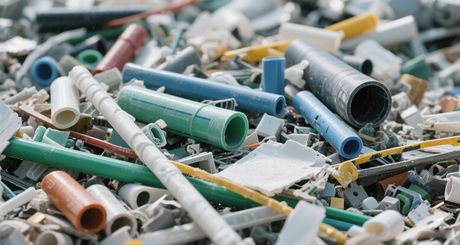
While metal crushers are designed primarily for metal scrap, some machines can also handle non-metal materials like plastics or wood, depending on their design and strength.
Metal crushers are essential instruments in the processing of scrap metal, and they rely on a combination of powerful components such as shredder blades, hydraulic systems, hammers, and motors to function effectively. Understanding the instruments used in these machines helps in appreciating the technology and engineering behind them. By incorporating these key components, metal crushers can efficiently break down large metal objects, making them ready for recycling or further processing.