Views: 0 Author: Site Editor Publish Time: 2025-12-24 Origin: Site
A jaw type metal crusher is an essential machine used in the recycling and manufacturing industries for processing metal scrap, rocks, and other materials. This equipment plays a crucial role in the reduction of large materials into smaller, manageable sizes. In this article, we will explore how a jaw-type metal crusher operates, its components, different jaw crusher types, and its applications in various industries.
Understanding how a jaw type metal crusher works is key to selecting the right equipment for your needs. With numerous jaw crusher types available, choosing the correct one can significantly impact efficiency, safety, and cost-effectiveness. Whether you're dealing with jaw crusher metal, jaw type rock crushers, or other variations, this guide will provide the in-depth knowledge required to make an informed decision.
A jaw type metal crusher is a machine used to crush large chunks of metal into smaller pieces. The design of the jaw crusher consists of two robust jaw plates that interact with each other to crush material. One jaw is stationary, while the other moves back and forth, applying pressure to break down metal, rocks, and other heavy-duty materials.
Fixed Jaw: This is the stationary part of the crusher. It serves as the base and allows the crushing action to occur by providing a surface for the other jaw to press against.
Movable Jaw: The movable jaw moves towards and away from the fixed jaw, crushing the material between the two plates.
Pitman: This component connects the movable jaw to the eccentric shaft, transferring the motion from the drive mechanism to the movable jaw.
Eccentric Shaft: This is the main shaft that drives the motion of the movable jaw. It connects to the flywheel and rotates as the drive mechanism engages.
Flywheel: The flywheel helps to store energy and maintain a smooth, consistent motion of the movable jaw.
Toggle Plate: This is a safety feature that ensures the machine operates efficiently. It also acts as a support for the crushing mechanism.
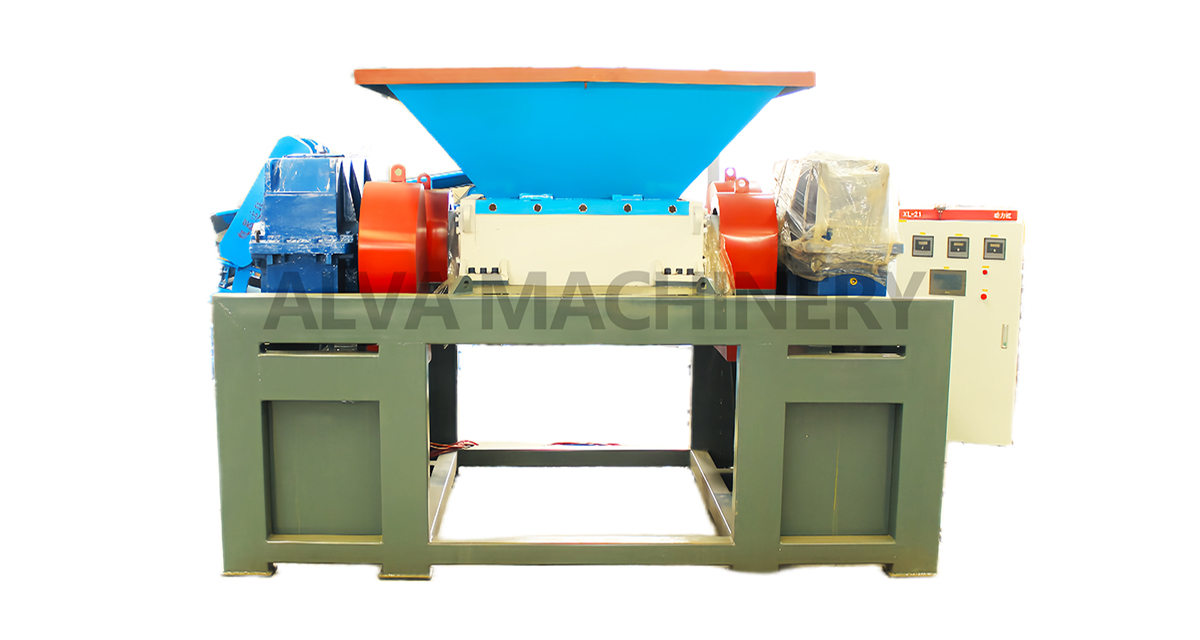
There are several jaw crusher types available, each designed to serve a specific purpose depending on the nature of the material being crushed. Here are the most common types:
The single toggle jaw crusher is one of the most commonly used types for primary crushing. In this model, a single jaw moves in a back-and-forth motion to crush the material. It is widely used for crushing softer materials such as limestone and softer metals.
The double toggle jaw crusher has two moving jaws. This design allows for more powerful crushing action and is better suited for tougher materials like granite or large chunks of metal. The two-toggle mechanism also increases the machine’s efficiency in reducing larger materials.
The jaw type rock crusher is designed specifically to break down rocks into smaller particles. It uses the same jaw crushing mechanism as the standard jaw crusher but is optimized to handle the abrasiveness and toughness of rocks.
Mobile jaw crushers combine the performance of a jaw crusher with the mobility of a tracked or wheeled frame. These crushers are often used in applications where material needs to be crushed and transported on-site, such as construction and demolition projects.
The working principle of a jaw type metal crusher is based on compression. The two jaw plates, one fixed and one movable, work together to crush the material. The movable jaw moves in an elliptical motion, which enables it to squeeze the material between the two jaws, breaking it into smaller pieces.
Feeding: Materials are fed into the top of the jaw crusher, either manually or using a conveyor system.
Compression: As the movable jaw moves towards the fixed jaw, the material is compressed between the two plates.
Crushing: The material is crushed as the two jaws move closer together.
Discharge: Once the material is crushed to the desired size, it falls through the bottom of the crusher and is discharged.
This process is repeated continuously, allowing the crusher to process large volumes of material over an extended period of time.
Jaw type metal crushers are known for their high efficiency. The compression mechanism allows for quick and thorough crushing of tough materials, reducing processing time and improving productivity.
The rugged design and robust construction make jaw crushers highly durable, able to withstand heavy loads and the wear and tear that comes with continuous use in demanding environments.
Jaw crushers, especially single toggle jaw crushers, are cost-effective due to their simple design and low maintenance requirements. The replacement parts for jaw crushers are also relatively inexpensive compared to other crushers.
Jaw type metal crushers can be used in various applications, from crushing scrap metal to breaking rocks. With the right attachments, these crushers can handle a wide range of materials, making them versatile machines in many industries.
With built-in safety features like the toggle plate, jaw crushers are designed to protect operators and other equipment from damage. The toggle plate acts as a protective mechanism by absorbing the energy in case of uncrushable materials entering the machine.
Jaw type metal crushers are widely used in metal recycling, where large scrap metal pieces are crushed to smaller sizes. This is essential for facilitating easier processing, sorting, and melting of the metal.
These crushers are also used in construction and demolition projects, where large debris and concrete need to be broken down into smaller, manageable sizes for disposal or reuse.
In mining, jaw crushers are often used to crush ores and other materials, preparing them for further processing. The size reduction provided by the jaw crusher allows for better extraction of valuable minerals.
Jaw type metal crushers are commonly used in the production of aggregates for construction projects. By reducing the size of large rocks and stones, these crushers help create the material needed for road construction and other infrastructure projects.
The primary difference is the number of moving jaws. A single toggle jaw crusher has one moving jaw, while a double toggle jaw crusher has two. The double toggle mechanism provides more crushing power and is better suited for tough materials.
A jaw crusher reduces material size by applying compressive force. The material is crushed as the two jaw plates move towards each other, squeezing and breaking the material into smaller pieces.
Yes, jaw crushers can crush metal, including scrap metal and other tough materials. They are specifically designed to handle a variety of materials, including metal, making them suitable for recycling operations.
With proper maintenance, jaw crushers can last for several years. Regular inspections, lubrication, and timely replacement of parts can extend the life of the equipment significantly.
Common issues include wear and tear on the jaw plates, blockages, and mechanical failure due to lack of maintenance. Regular maintenance and proper operation can help prevent most of these issues.
The jaw type metal crusher is a versatile, efficient, and durable machine that plays a crucial role in various industries, including metal recycling, mining, construction, and aggregate production. By understanding the different types of jaw crushers, their components, and how they work, businesses can select the right equipment to optimize their operations.
From the initial stages of metal crushing to the final product, jaw crushers continue to be a vital tool in reducing material size and enhancing productivity.