Views: 0 Author: Site Editor Publish Time: 2025-09-15 Origin: Site
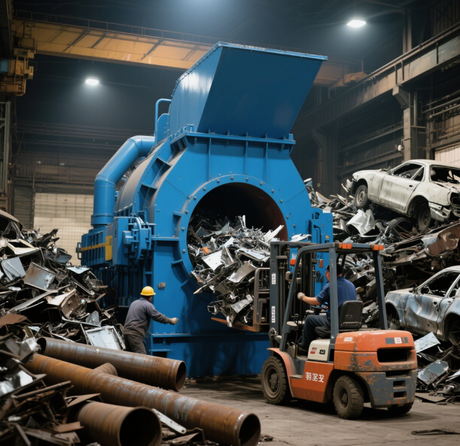
A metal crusher is a powerful industrial machine designed to crush and break down large metal objects into smaller pieces. These crushers are widely used in industries where metal recycling and waste management are critical for both cost savings and environmental benefits. The working mechanism of a metal crusher is simple yet highly effective, making it an essential tool in various manufacturing and recycling processes. This article will explore how a metal crusher works, its types, applications, and the factors that determine its effectiveness.
Metal crushers are used to reduce the size of large metal objects, making them easier to handle, recycle, and transport. These machines work by applying immense force to break down the metal into smaller, manageable pieces. They are mainly employed in industries like recycling, construction, demolition, and waste management.
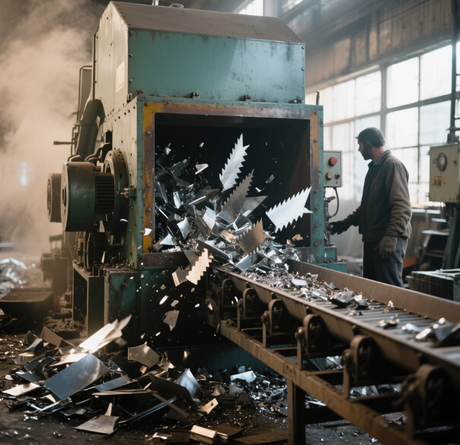
A metal crusher operates through a system of powerful blades, hammers, or shears that are designed to apply force to a piece of metal. When a metal object is fed into the crusher, it is subjected to high pressure and impact force, causing it to break down into smaller pieces. The process is simple:
Feeding: The metal objects are fed into the machine through a conveyor or manually.
Crushing: The crushing chamber contains rotating blades or hammers that break the metal pieces apart.
Sorting: Once the metal is broken down, it is separated into smaller, uniform pieces for easier recycling or disposal.
Collection: The shredded metal is collected and can be further processed, reused, or recycled.
The performance and efficiency of a metal crusher are influenced by several factors, including the type of metal being crushed, the size of the metal pieces, and the design of the machine.
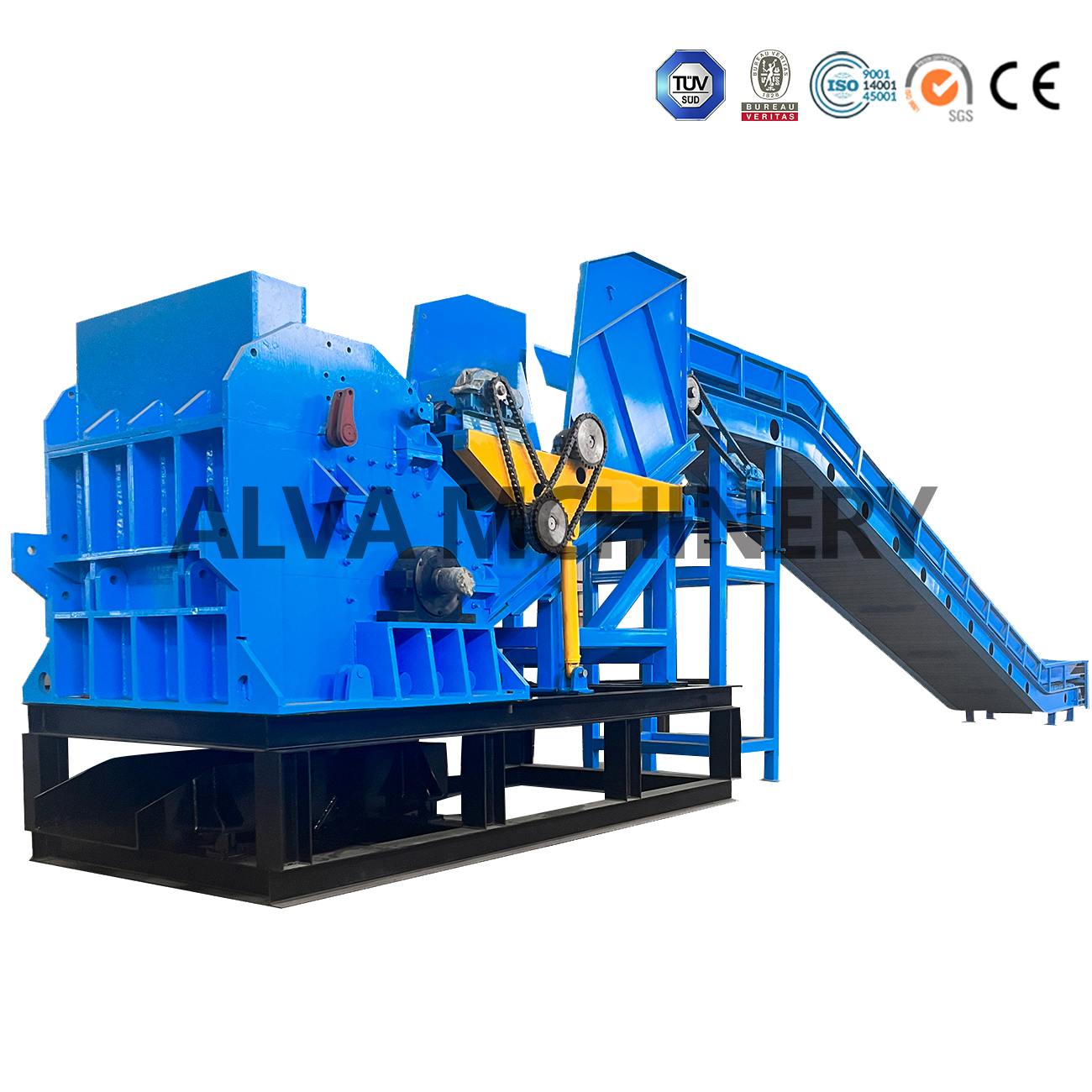
There are several types of metal crushers, each designed for specific types of metal and use cases. Here are the most common types:
Hammer crushers are equipped with heavy-duty hammers or blades that strike the metal at high speeds. These machines are designed to break large metal objects into smaller pieces by impacting them with force. They are ideal for crushing ferrous and non-ferrous metals.
A jaw crusher is a primary crushing machine that uses compressive force to break down large metal objects. This type of crusher uses a pair of jaws that crush the material between them, similar to how a human jaw works. Jaw crushers are often used for crushing metals like aluminum, steel, and iron.
Shredder crushers are designed to shred large metal objects into smaller pieces. These machines have rotating blades that grab the metal and tear it apart. They are particularly useful for processing scrap metal, automotive parts, and industrial metal waste.
Cone crushers use a rotating cone-shaped crushing chamber to break down metal objects. These crushers apply a compressive force that gradually crushes the metal into smaller pieces. Cone crushers are typically used for secondary and tertiary crushing applications.
Impact crushers use high-speed rotating blow bars to strike the metal and break it apart. The crushed material is then forced through a screen to ensure uniformity. These crushers are often used for recycling and processing scrap metal.
Metal crushers have a wide range of applications across various industries. Some of the most common uses of these crushers include:
One of the primary uses of metal crushers is in the recycling industry. The metal is crushed into smaller pieces, which can then be melted down and reused to create new products. This process reduces waste, conserves resources, and minimizes the environmental impact of manufacturing new metal products.
In waste management, metal crushers are used to crush metal objects that would otherwise take up valuable space in landfills. By reducing the size of these items, the crushers make it easier to handle and dispose of metal waste.
The automotive industry uses metal crushers to process scrap metal, such as old car parts. These parts are crushed and then recycled to create new automotive components. This helps to reduce the cost of raw materials and ensures that old vehicles are properly disposed of.
In construction and demolition, metal crushers are used to break down scrap metal from old buildings, machinery, and other structures. This metal can then be recycled or sold as scrap, providing a source of revenue for the construction company.
Several factors affect the efficiency and performance of metal crushers. Understanding these factors can help ensure that the machine operates at its full potential and meets the required standards for metal processing.
Different metals have different properties, and some are more difficult to crush than others. For example, steel is much harder than aluminum, requiring more force and energy to break it down. The type of metal being processed will influence the choice of crusher and the amount of power needed to operate it.
The design of the metal crusher plays a crucial role in its performance. Crushers with larger chambers or more powerful motors are capable of handling larger and more challenging pieces of metal. Additionally, crushers with advanced features like adjustable settings or specialized blades can provide more precise crushing and better output.
The size of the metal being fed into the crusher also affects its efficiency. Larger pieces of metal require more time and power to crush, which can reduce the overall throughput of the machine. Smaller metal pieces can be processed more quickly and efficiently.
The speed at which the crusher operates can impact its ability to crush metal. Faster speeds can result in more rapid processing, but this may lead to increased wear and tear on the machine. Slower speeds may provide more precise crushing, but at the cost of throughput.
Regular maintenance is essential to keeping a metal crusher in optimal working condition. Without proper maintenance, crushers may become less efficient, leading to reduced performance and increased downtime.
There are several key benefits to using a metal crusher in industrial and recycling applications:
A metal crusher can process large quantities of metal quickly and efficiently, reducing the time and energy required to break down large objects.
By recycling metal, industries can save money on raw materials, reduce disposal costs, and minimize waste.
Recycling metal reduces the need for mining new metals, which helps to conserve natural resources and reduce environmental degradation. Metal crushers play a crucial role in promoting sustainable practices in various industries.
Crushing metal objects reduces the risk of injuries associated with handling sharp, jagged metal pieces. The smaller pieces are easier to store, transport, and dispose of safely.
A1: Metal crushers are versatile machines that can crush a wide variety of metals, including steel, aluminum, iron, and non-ferrous metals. The type of metal will determine the type of crusher needed for the job.
A2: Larger pieces of metal require more force and time to crush, while smaller pieces can be processed more quickly and efficiently. The feed size is an important factor in determining the performance of the crusher.
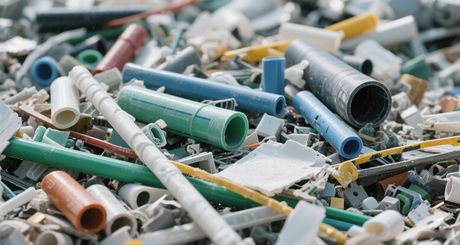
A3: Yes, metal crushers can be used to crush various types of scrap metal, such as old cars, metal sheets, pipes, and other industrial waste. However, some metals may require specialized crushers for optimal results.
A4: Metal crushers are safe when used correctly, but it is important to follow proper safety protocols, including wearing protective gear and ensuring the machine is properly maintained to prevent accidents.
A5: Regular maintenance, such as inspecting and replacing worn-out blades, cleaning the crusher, and checking the motor, is essential to ensuring the metal crusher operates efficiently and lasts longer.