Views: 0 Author: Site Editor Publish Time: 2025-09-16 Origin: Site
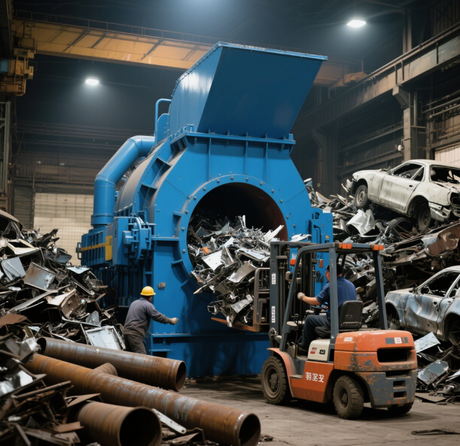
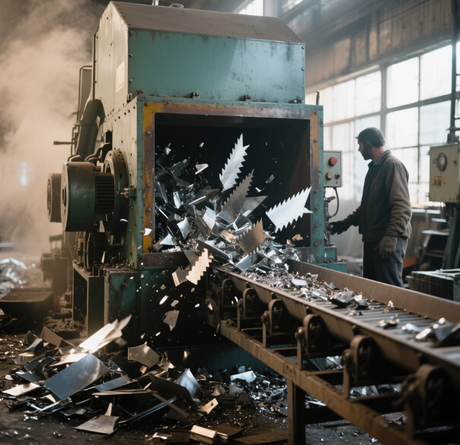
Metal crushers are essential machines in various industries, particularly in the recycling and demolition fields. They are designed to efficiently process and reduce the size of metal scraps, making them easier to handle, transport, and recycle. In this article, we will explore the workings of metal crushers, their types, how to operate them, safety precautions, and the benefits they offer. Additionally, we will delve into some frequently asked questions related to metal crushers to give you a comprehensive understanding.
A metal crusher is a powerful machine used to crush and break down large, hard metal materials into smaller, more manageable pieces. These crushers come in various forms, ranging from small-scale machines used in scrap yards to large, industrial crushers used in manufacturing plants.
In this section, we will discuss:
What is a Metal Crusher?
How Do Metal Crushers Work?
Applications of Metal Crushers
Key Features of Metal Crushers
Metal crushers come in different designs and sizes depending on the application and the materials being processed. The following are the most common types:
Horizontal Crushers
Vertical Crushers
Single-Shaft Crushers
Double-Shaft Crushers
We will break down the characteristics and differences of these types to help you choose the best crusher for your needs.
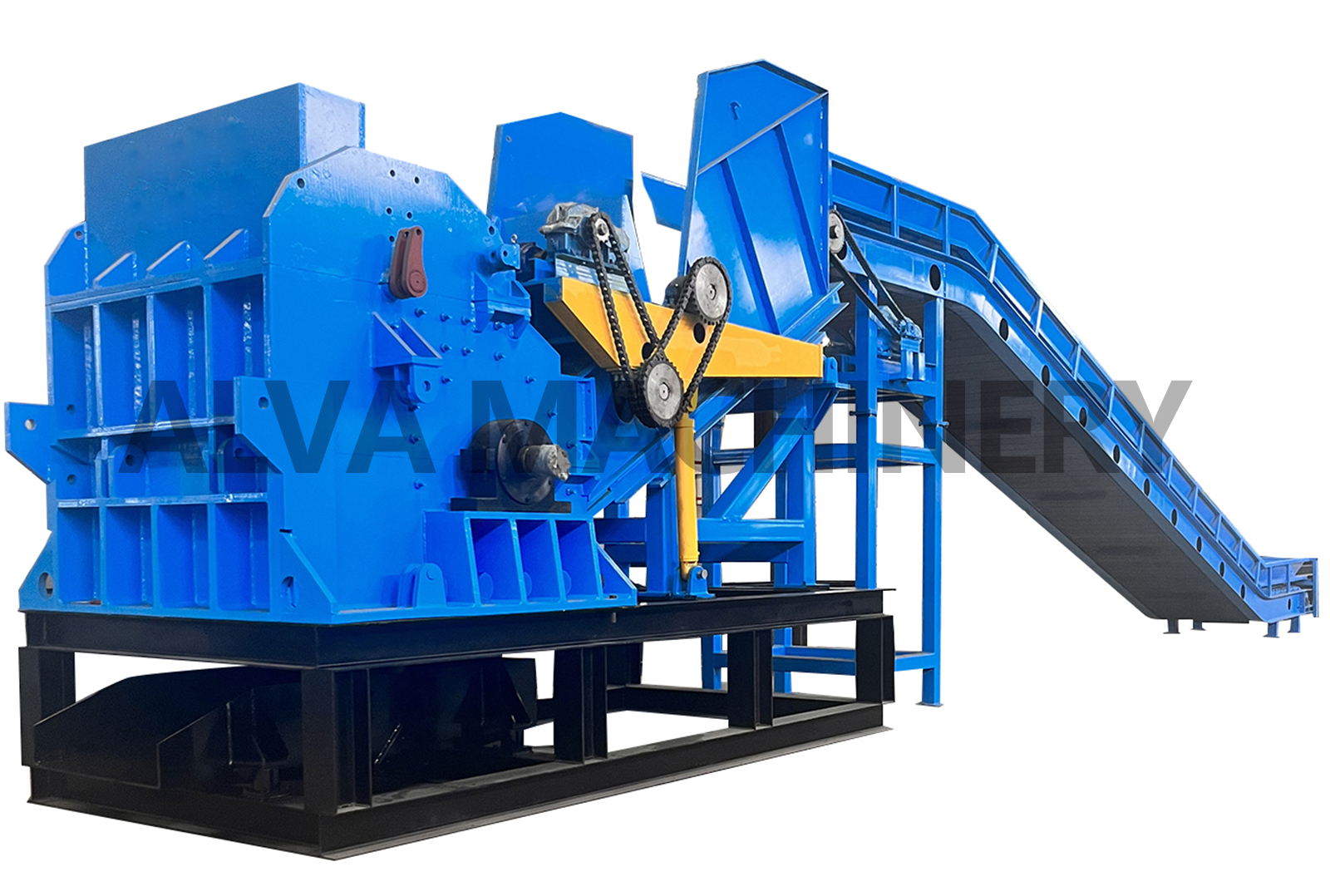
Using a metal crusher involves several key steps to ensure efficient operation and safety. In this section, we will provide a detailed guide on how to use a metal crusher correctly.
Preparation Before Crushing
Inspect the material to be crushed.
Ensure that all safety equipment is in place.
Set up the crusher according to the manufacturer's guidelines.
Loading Materials Into the Crusher
Methods for safely loading metal scraps into the crusher.
How to avoid overloading or jamming the machine.
Operation of the Crusher
Start-up procedures.
Adjusting settings for optimal performance.
Monitoring the crushing process.
After-Crushing Steps
Removing crushed metal pieces.
Handling byproducts and waste materials.
Clean-up and maintenance post-use.
Metal crushers offer several advantages in various industries. Here are some key benefits:
Increased Recycling Efficiency
Space Saving
Improved Material Quality
Reduced Transportation Costs
We will explore these benefits in more detail and explain how they contribute to the efficiency of operations.
While metal crushers are incredibly useful, they can be hazardous if not used properly. This section will focus on the safety precautions to take when operating a metal crusher:
Wear Protective Gear
Know the Operating Procedures
Regular Maintenance and Inspections
Handling Emergency Situations
We will provide tips on how to ensure that your operations are safe and compliant with industry regulations.
Proper maintenance is critical to the long-term functionality and efficiency of a metal crusher. In this section, we will cover:
Routine Inspections
Lubrication of Moving Parts
Blade and Screen Replacement
Troubleshooting Common Issues
Maintaining your metal crusher will help reduce downtime and improve its lifespan.
Here are some frequently asked questions about metal crushers:
What materials can a metal crusher handle?
How much does a metal crusher cost?
How often should I maintain my metal crusher?
Can a metal crusher handle non-metal materials?
What are the key factors affecting the efficiency of a metal crusher?
Each FAQ will be answered with detailed information to provide clarity on the most common concerns regarding metal crushers.
Metal crushers are invaluable tools for reducing the size of metal waste, enhancing recycling efforts, and improving the efficiency of industrial processes. By following the proper operational guidelines, safety precautions, and maintenance routines, you can ensure that your metal crusher operates at peak performance, providing long-term value to your business.