Views: 0 Author: Site Editor Publish Time: 2025-10-06 Origin: Site
Crushed plastic serves as a valuable raw material for creating new products, construction materials, textiles, and packaging. You use a plastic crusher to break down waste, making recycling much more efficient. Recent studies show that these machines can increase recycling efficiency by up to 35% and help manufacturers reduce waste volume. However, only 9% of global plastic waste gets recycled into new products each year, while the rest ends up in landfills or pollutes the environment. By using a machine to process plastic, you help reduce pollution and support a more sustainable future.
According to the OECD:
Only 9% of the world's plastic is recycled.
The remaining 91% is either incinerated, sent to landfills, or pollutes the environment.
Crushed plastic is a key material for recycling, helping to create new products and reduce waste.
Using a plastic crusher increases recycling efficiency by up to 35%, making it easier to process plastic waste.
Recycling plastic saves energy, reduces greenhouse gas emissions, and conserves valuable resources like petroleum.
Crushed plastic can be transformed into various products, including clothing, construction materials, and packaging.
Every time you recycle plastic, you contribute to a cleaner environment and support sustainability efforts.
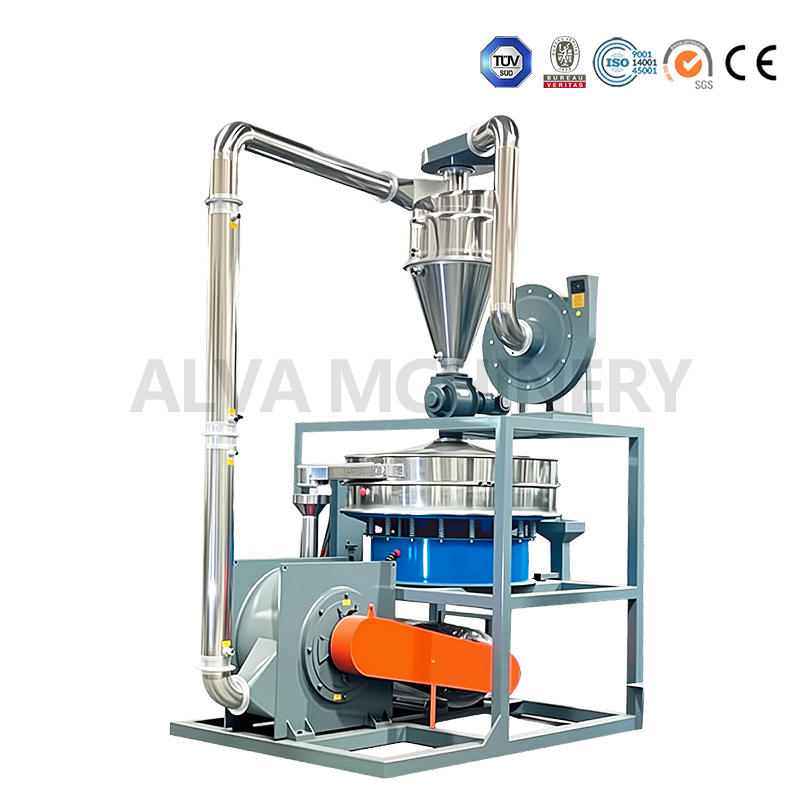
You play a key role in plastic waste management when you use a plastic crusher. This machine helps you reduce the size of bulky plastic items, making them easier to handle and process. In the recycling industry, a plastic crusher breaks down large plastic waste into smaller, uniform pieces. This step is essential for the plastic recycling process because it allows you to move and store materials more efficiently.
Did you know? Heavy-duty crushers can handle tough plastics like high-density polyethylene (HDPE) and low-density polyethylene (LDPE), which are common in bottles and packaging.
The process starts with collecting and sorting plastic waste. You feed the sorted plastic into the industrial plastic crusher. The machine uses rotating blades to shred and crush the plastic into small granules. This size reduction makes transportation and further processing much easier. By using a heavy-duty machine, you can also remove some contaminants, which improves the quality of the recycled material.
Function | Description |
|---|---|
Size Reduction | Breaks down large plastic waste into smaller pieces for easier processing. |
Efficient Transportation | Converts bulky plastic into dense, uniform particles for easier handling. |
Processing | Facilitates the next steps in recycling by making plastic waste manageable. |
After crushing, you prepare the plastic for reuse in several steps. First, you sort the crushed plastic by type using advanced systems. Then, you clean and shred the material further to remove dirt and adhesives. The industrial plastic crusher ensures the plastic is in the right form for washing and separation. You then dry the flakes and test them for contaminants to meet industry standards.
Next, you melt the clean flakes and form them into pellets. These pellets, often called nurdles, become the raw material for new products. By following these steps, you increase recycling efficiency and improve the quality of recycled plastic. This process supports a cleaner environment and helps you make the most of plastic waste.
Crushed plastic opens up a world of possibilities for manufacturing, construction, textiles, and packaging. When you use a plastic crusher, you transform waste into reusable material that supports the circular economy. The process relies on the crushing efficiency and power of the machine, which prepares plastic for a wide range of applications. Let’s explore how you can use crushed plastic in different industries.
You can use crushed plastic to create many everyday products. The plastics industry relies on industrial plastic crushers to deliver high output and low energy consumption, making the process cost-effective. Adjustable blades and big crushing capacity allow you to process various types of plastic, turning them into valuable resources for new items. Here are some common products made from recycled plastic:
Water bottles
Shampoo and toiletry bottles
Laundry detergent bottles
Toothbrushes
Shoes and clothing
Backpacks
Furniture
Toys and gifts
Rugs and carpets
Car parts
Fishing nets
Traffic cones
Building materials
Tip: Brands like Nike, Rothy’s, and Green Toys use crushed plastic to make shoes, toys, and backpacks. These products show how effective recycling solutions can support sustainable industrial operations.
Product Name | Description |
|---|---|
Nike’s Space Hippie | Footwear collection made from scraps and leftover materials, with the lowest carbon footprint of any Nike footwear. |
Rothy’s | Flats made entirely of recycled plastic bottles, known for sustainability and comfort. |
Green Toys | 100% recycled plastic kids toys made from recycled milk jugs and yogurt containers. |
Dakine | Backpacks and outerwear made from recycled materials, emphasizing sustainability. |
Saalt Period Underwear | Underwear made from post-consumer recycled water bottles, with a focus on reducing plastic waste. |
You benefit from the operational efficiency of heavy-duty machines with adjustable blades and safety features. These machines meet strict safety standards and offer long service life, ensuring reliable performance in the recycling value chain.
Crushed plastic is changing the way you build. You can use it to make floor tiles, lumber, fences, roofing tiles, smart gravel, bricks, and even concrete. The big crushing capacity of an industrial plastic crusher allows you to process large volumes of plastic waste, turning it into construction materials that support the circular economy.
Advantages | Disadvantages |
|---|---|
Environmentally Friendly | Sensitive to High Temperatures |
High Versatility | Difficult to Recycle |
Excellent Insulation | Low Modulus of Elasticity |
Disposal Challenges |
You gain environmentally friendly options and excellent insulation properties. However, you must consider that some plastic-based materials are sensitive to high temperatures and can be difficult to recycle again. The use of adjustable blades in your machine ensures you get the right size and shape for each application, improving crushing efficiency and power.
You can turn plastic bottles into textile fibers for clothing and other products. The process starts when you collect and clean the bottles, then use a heavy-duty machine to shred them into flakes. After melting and extruding the flakes, you spin them into yarn and weave or knit them into fabric. This method transforms waste into reusable material for shoes, jackets, and even rugs.
In 2021, recycled polyester made up close to 15% of global polyester fiber production. By 2023, about 12.5% of all polyester fibers came from recycled plastic. This shift supports the circular economy and helps you reduce waste in the textile industry.
Packaging is one of the largest markets for crushed plastic. You use post-consumer recycled (PCR) resin from bottles and packaging to create new bottles, pouches, and trays. These products often use plastics like PP, PET, and HDPE, which you process with an industrial plastic crusher for high output and low energy consumption.
Bottles
Pouches
Trays
When you choose polyethylene (PE) packaging, you can reduce greenhouse gas emissions by up to 70% compared to materials like paper, glass, aluminum, or steel. PE packaging also uses fewer fossil resources and has a smaller environmental footprint. Life cycle analyses show that PE-based packaging outperforms alternatives in most comparisons, making it a smart choice for effective recycling solutions.
Note: By using crushed plastic in packaging, you help close the loop in the recycling value chain and support a cleaner planet.
You help reduce waste every time you recycle plastic. When you use a plastic crusher, you break down bulky items into manageable pieces. This process keeps plastic out of landfills and oceans. You can save up to 30 cubic yards of landfill space for every ton of plastic you recycle. By using a heavy-duty machine with safety features, you make sure the process is safe and efficient. Recycling efficiency improves when you sort and crush plastic before reusing it. You also help decrease the need for new plastic production, which lowers pollution.
Recycling plastic:
Saves 5,774 Kwh of energy per ton
Reduces landfill space
Cuts greenhouse gas emissions by up to 1.5 tonnes of CO2-e per tonne of recycled PET
You conserve valuable resources when you choose recycled plastic over virgin materials. Most new plastic comes from petroleum, a nonrenewable resource. By recycling, you reduce the need for fossil fuels and lower energy use. You also help cut carbon emissions. The operational efficiency of your machine makes this process cost-effective.
Material Type | Energy Consumption Ratio (Virgin : Recycled) |
|---|---|
PET | 1.7:1 |
HDPE | 3.0:1 |
Polypropylene (PP) | 3.0:1 |
Recycling plastic:
Uses 75% less energy to make new bottles
Produces 30–40% fewer greenhouse gas emissions
Saves 16.3 barrels of oil per ton
You support sustainability goals in major industries by recycling crushed plastic. When you use recycled materials, you help create a circular economy. This practice lowers the environmental impact of manufacturing and reduces the need for virgin resources. You also help companies meet their sustainability targets. Safety features in your machine protect workers and improve recycling efficiency. You should note that recycled plastics may contain more chemicals than virgin plastics, so you must follow safety guidelines.
Tip: By choosing recycled plastic, you help reduce greenhouse gas emissions and support a cleaner planet.
You can see how crushed plastic supports new products, construction, textiles, and packaging. A plastic crusher helps you turn waste into valuable resources, making recycling more efficient. This machine reduces landfill waste and saves energy. Recycling plastic creates jobs, lowers costs, and supports a circular economy.
Benefit Type | Description |
|---|---|
Environmental | Reduces waste, conserves resources, lowers carbon footprint, and cuts pollution. |
Economic | Creates jobs, reduces production costs, and boosts the circular economy. |
You can help by recycling, spreading awareness, or supporting local programs. Every action moves us closer to a cleaner planet.
A Plastic Crusher is a machine that breaks down plastic waste into smaller pieces. You use it to make recycling easier and more efficient. This tool helps you prepare plastic for reuse in new products, construction, and packaging.
You reduce landfill waste and pollution when you use a Plastic Crusher. This machine lets you recycle more plastic, save energy, and lower greenhouse gas emissions. You support a cleaner planet by choosing to recycle with a Plastic Crusher.
You can process many types of plastic, like PET, HDPE, and PP, with a Plastic Crusher. Some plastics, such as PVC, may need special handling. Always check your machine’s guidelines before crushing different materials.
You can create bottles, packaging, clothing, furniture, and building materials from crushed plastic. Many industries use a Plastic Crusher to turn waste into valuable resources for new products.
Most Plastic Crushers have safety features, like emergency stops and guards. You should always follow the manufacturer’s instructions and wear protective gear. Proper training helps you use the machine safely and efficiently.