Views: 0 Author: Site Editor Publish Time: 2025-09-30 Origin: Site
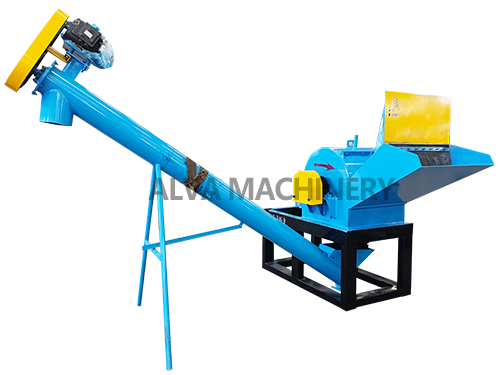
If you want to make recycling easier at home, a plastic crusher is a homemade plastic recycling tool you should know about. This gadget helps you break down plastic bottles and containers into smaller pieces, making them much simpler to store and transport. When you use a diy plastic crusher, you turn bulky waste into manageable bits that fit right into your recycling bin. Here’s something surprising:
Only 9% of household plastic waste gets recycled worldwide.
By choosing to build a plastic recycling gadget, you help keep more plastic out of landfills and give it a second life.
A plastic crusher simplifies recycling by breaking down bulky plastic waste into smaller pieces, making it easier to store and transport.
Using a plastic crusher can reduce the volume of plastic waste by up to 70%, leading to less clutter and fewer trips to recycling centers.
Crushing plastic bottles before recycling improves efficiency, making it easier for recycling facilities to process materials.
Building a homemade plastic crusher can be a fun DIY project that helps you recycle more effectively and supports eco-friendly practices.
Always prioritize safety when using a plastic crusher by wearing protective gear and following proper cleaning and maintenance procedures.
When you use a plastic crusher at home, you rely on a simple but powerful process. You place your plastic waste into the machine. Inside, sharp blades or hammers spin and cut the plastic into smaller pieces. The machine uses mechanical force to break down the material. You can adjust the settings to control the size of the particles. This means you get the right size for your recycling needs. The main goal is to turn large, bulky items into small, manageable bits. This process makes it much easier for you to store and transport your plastic waste.
Tip: Always check that your machine is unplugged before cleaning or adjusting the blades. Safety comes first!
You might wonder what kinds of plastic and other materials your machine can handle. Most home crushers work with a wide range of items. Here’s a quick look at what you can process:
Type of Material | Description |
|---|---|
Plastic lumps | Various forms of plastic waste |
Crates | Rigid plastic containers |
Films | Thin plastic sheets or wraps |
Bag scrap | Leftover plastic from bags |
Pipes | Plastic piping materials |
Automotive scrap | Plastic parts from vehicles |
Blow-molded materials | PE/PP bottles, PET bottles, buckets, drums, containers |
You can also use your machine for plastic tubes, rods, toys, and even some waste rubber products. Most machines handle common plastics like polyethylene, polypropylene, and polystyrene. If you want to recycle more at home, a plastic crusher gives you the flexibility to tackle many types of waste.
You probably notice how quickly plastic bottles and containers pile up at home. If you want to make a real difference, a plastic recycling machine can help you shrink that mountain of waste. When you use a plastic crusher, you break down bulky items into small pieces. This simple step can reduce the volume of plastic waste by up to 70%. Some studies even show that crushing can cut the space needed for storage by 60–80%. That means you can fit more into your recycling bin and spend less time hauling bags to the curb.
Less clutter in your kitchen or garage
Fewer trips to the recycling center
Lower costs for waste transport
A plastic recycling machine makes it easier to recycle plastic bottles and containers. You get more space and less mess. You also help keep plastic out of landfills, which is great for the environment.
Did you know? Crushing plastic bottles before recycling makes sorting and handling much faster for recycling centers.
Getting your plastic ready for recycling is important. When you use a plastic crusher, you prepare your bottles and containers for the next step. Small, uniform pieces are easier for recycling plastics facilities to process. You can sort your plastic by type and color, which helps improve the quality of recycled products.
A plastic recycling machine lets you recycle plastic bottles at home. You can separate caps, labels, and different kinds of plastic. This makes recycling more efficient and increases the chances that your plastic will get reused. If you want to recycle plastic bottles, crushing them first is a smart move.
Clean and crush your bottles before recycling
Sort plastics by color and type for better results
Use a plastic recycling machine to speed up the process
You make recycling easier for yourself and for the people who handle your waste. You also support better recycling plastics practices in your community.
When you start looking for the right plastic crusher for your home, you’ll notice there are a few main types. Each design has its own strengths, and you can pick what fits your needs and budget.
Manual plastic bottle crusher designs work well if you want something simple and affordable. You can build a homemade plastic shredder using hand-cranked mechanisms. Many DIYers use carbon tool steel for the blades because it’s cheap and easy to shape. This material works best for soft plastics and light jobs. You can find step-by-step guides online, like the Plastic Smoothie project, which shows you how to make a plastic crusher with basic tools and materials.
Tip: A simple design with a sturdy handle and a hopper makes crushing bottles by hand much easier.
If you want more power, electric plastic bottle crusher designs might be the way to go. These machines use a motor to spin the shredder blades, so you can crush more plastic in less time. Some homemade plastic shredder builds use small motors from old appliances. You can also buy entry-level electric plastic crushers for as little as $399, or invest in higher-capacity models that cost thousands. Here’s a quick look at price ranges:
Output Capacity (kg/hr) | Price Range (USD) |
|---|---|
300 – 500 | $8,000 – $12,000 |
500 – 800 | $10,000 – $17,000 |
800 – 1,200 | $15,000 – $24,000 |
A good electric design often includes a hopper with baffles to keep plastic from splashing out. The output size depends on the mesh screen you use. A finer mesh gives you smaller, more uniform pieces.
The plastic bottle crusher is the most popular design for home recycling. You can find both manual and electric versions. Many DIYers build a simple design with a hopper, stackable sieves, and a mesh screen to control particle size. The design lets you crush bottles, sort plastics by color, and even recycle 3D printed waste. Before you use your plastic bottle crusher, sort your bottles by type and color. This step helps you get better results and makes recycling easier for facilities later on.
Use a plastic bottle crusher with a mesh screen for uniform pieces.
Try a design with stackable sieves if you want to sort by size.
Always sort plastics before crushing for the best recycling outcome.
A homemade plastic shredder or plastic bottle crusher can turn your recycling routine into a fun DIY project. You get to choose the design, materials, and features that work for you. With the right design, you’ll make recycling plastic bottles at home simple and efficient.
Ready to tackle your own homemade bottle crusher project? This step-by-step guide will walk you through everything you need to know. You’ll find clear instructions, safety tips, and advice for building a stable base. Let’s get started!
Before you jump into building, take a moment to plan your homemade bottle crusher. Good planning helps you avoid mistakes and makes the process smoother. Here’s a step-by-step guide to get you started:
Decide how much plastic you want to process. Think about your recycling needs and future expansion.
Figure out your budget. Consider the cost of materials, tools, and any extra features you want.
Choose a spot for your crusher. Pick a location with enough space and good ventilation.
Sketch a simple design. Include the frame, crushing mechanism, and collection system.
Check local regulations. Make sure your project follows safety standards and any recycling rules in your area.
If you plan to turn your project into a small business, you’ll need to analyze your business structure, register your business, and source machinery and labor. For most DIYers, focusing on home use is enough.
Tip: Planning ahead saves you time and money. A clear design helps you avoid common mistakes like poor motor alignment or blocked discharge pipes.
Gathering the right tools and materials is key for a successful build. Here’s a handy table to help you organize what you’ll need for your homemade bottle crusher:
Item | Purpose |
|---|---|
PVC pipe | Frame construction |
Plastic drains | Support and structure |
Screws & glue | Securing parts |
Axe head or blade | Crushing mechanism |
Steel pieces | Stable base |
Container | Collecting crushed plastic |
Funnel or guide | Directing bottles |
Drill & saw | Cutting and assembling |
Safety gear | Gloves, goggles, ear protection |
You might also want a motor if you plan to automate the crushing process. Always use high-quality cutting tools for better results when crushing plastic bottles.
Safety first! Wear gloves and goggles. Make sure your workspace is clean and organized.
Now it’s time to build a bottle crusher. Follow these instructions for a smooth assembly:
Build a Stable Base
Start by welding steel pieces together to create a strong frame. Make sure the base is rigid and can handle vibrations from crushing plastic bottles. A stable base keeps your homemade bottle crusher safe and efficient.
Make the Frame
Cut PVC pipe to the right size. Attach plastic drains with glue and secure them with screws. Double-check that everything lines up before moving on.
Add the Crushing Mechanism
Attach the axe head or blade at an angle. Secure it tightly with screws and glue. The blade should move smoothly and crush plastic bottles with ease.
Install the Collection System
Choose a sturdy container for collecting crushed plastic. Attach it to the frame. Add a funnel or guide to direct bottles into the crusher.
Test and Adjust
Try crushing plastic bottles to see how your machine works. Check for stability and make adjustments if needed. Regularly inspect the cutting tools and replace them when they wear out. Keep the blades sharp and clean for the best results.
Note: Add safety features like emergency stop buttons and safety interlocks. Make sure your homemade bottle crusher complies with safety standards from organizations like OSHA or CE.
Don’t rush the assembly. Poor motor alignment causes vibration.
Avoid fast feeding. Blocked discharge pipes slow down your crusher.
Replace worn-out blades. Dull tools make crushing plastic bottles harder.
Keep water out of your materials. High moisture can block the crusher.
Looking for more detailed instructions or inspiration? Check out these online resources:
Step-by-step guide videos on YouTube
Recycling machine blueprints from DIY forums
Instructional videos with wiring diagrams
Bill of Materials lists with sourcing links
Extra tutorials and software for advanced builds
You’ll find plenty of detailed instructions and helpful tips from other DIYers. These resources make building a homemade bottle crusher easier and more fun.
Tip: Always test your crusher with different types of plastic. Match your recycling technology to the material for the best results.
With this step-by-step guide, you’re ready to build a bottle crusher and start crushing plastic bottles at home. You’ll reduce waste, make recycling easier, and maybe even inspire your neighbors to join in!
Using a plastic crusher at home gives you real power to cut down on waste and make recycling easier. You help the planet in several ways:
You reduce greenhouse gas emissions and landfill waste.
You support eco-friendly recycling and can even earn extra income by selling processed plastic.
You make recycling more efficient by breaking plastic into smaller pieces.
Why not try building your own plastic crusher? You might inspire others and help shape the future of home recycling. ��
You can put plastic bottles, containers, caps, and even some 3D printed waste in your plastic crusher. Always check the label. Hard plastics like HDPE and PET work best. Avoid metal, glass, or anything with batteries.
Unplug your plastic crusher first. Remove any leftover plastic pieces. Wipe the blades and hopper with a damp cloth. Dry everything before using it again. Clean your machine after every use for best results.
Yes, a plastic crusher is safe if you follow instructions. Always wear gloves and goggles. Keep your hands away from the blades. Use safety features like emergency stops. Teach kids to stay away from the machine.
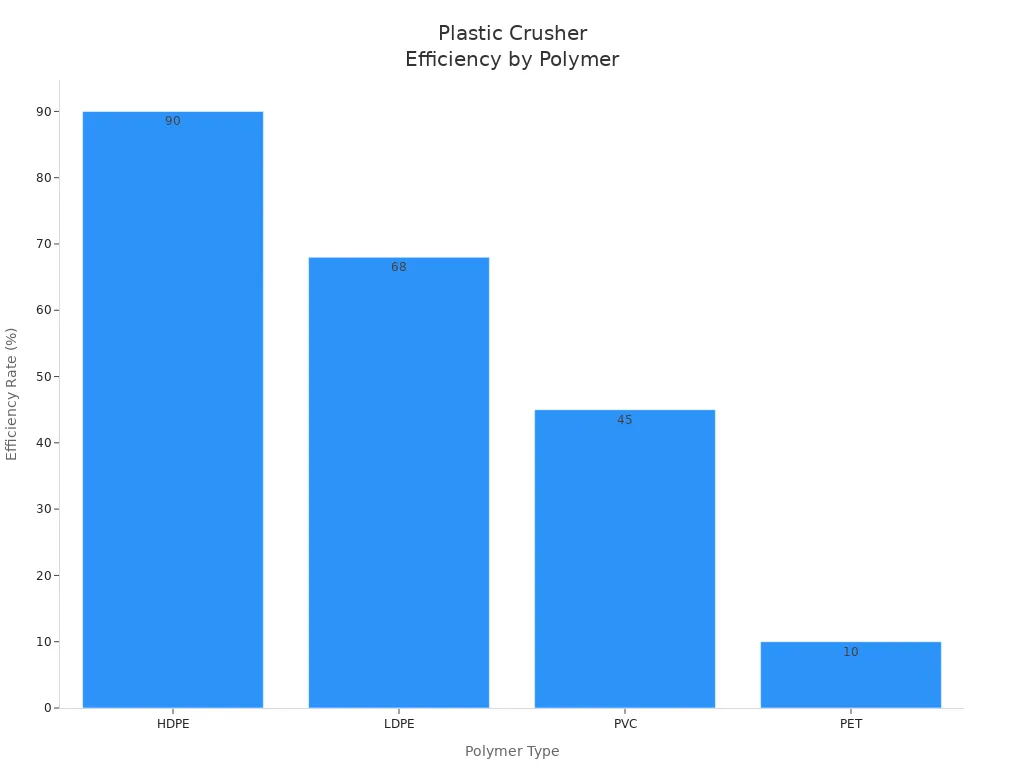
No, not all plastics work in a plastic crusher. Stick to common types like PET, HDPE, and PP. Avoid PVC, polystyrene, or plastics with food residue. Sorting your plastics helps your recycling process.
A plastic crusher makes recycling easier. You save space, reduce waste, and help the environment. Crushed plastic fits better in bins and is ready for recycling centers. You also make your home recycling routine faster and more efficient.