Views: 0 Author: Site Editor Publish Time: 2025-10-01 Origin: Site
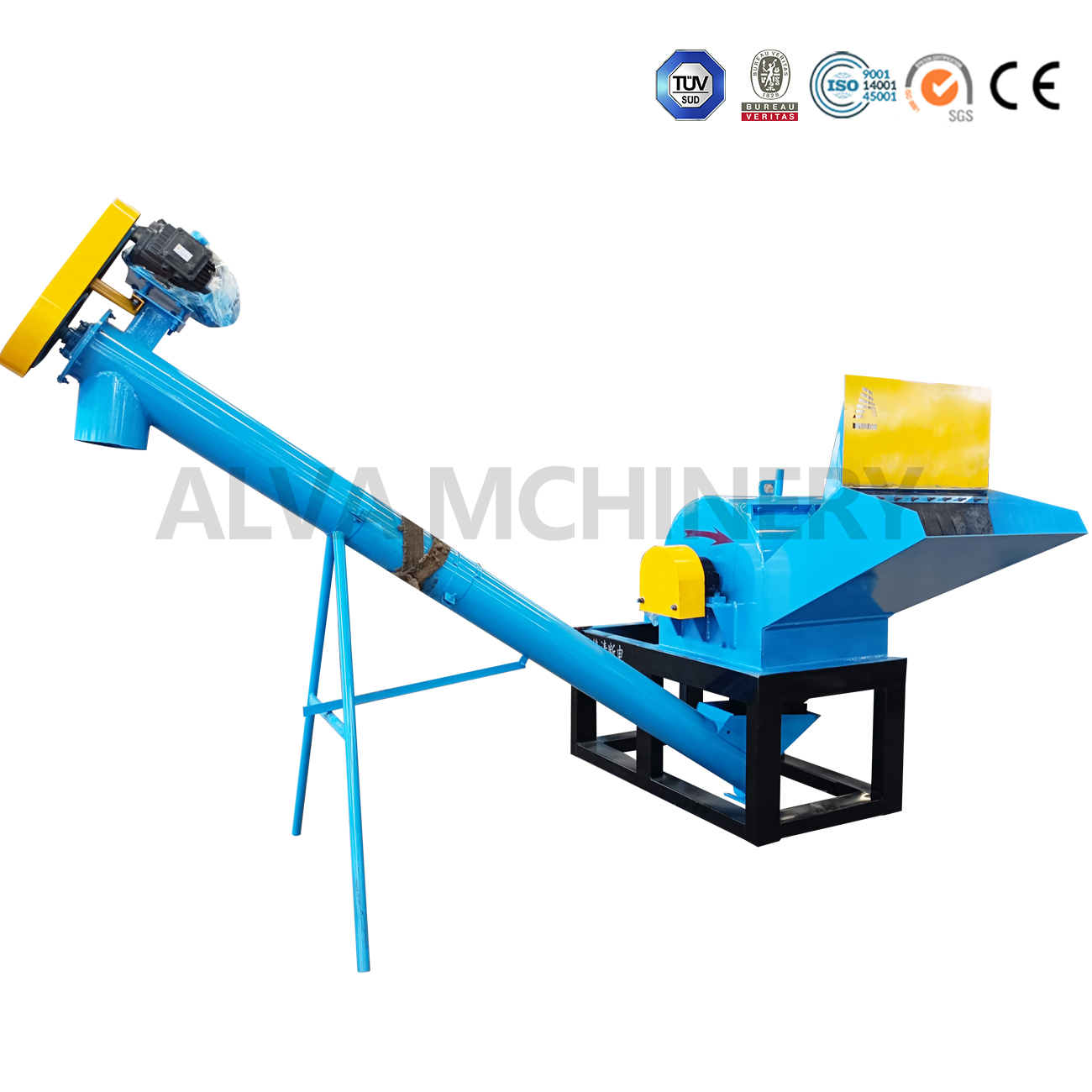
A plastic crusher breaks down plastic into smaller pieces, making recycling easier and more efficient. You see this machine play a key role in plastic waste management, helping communities reduce the amount of plastic sent to landfills. Understanding how a plastic crusher operates can help you make smarter choices when dealing with plastic.
In Taiwan, advanced processing methods, including crushers, raise recycling rates to 80%.
Region
Recycling Rate
Notes
Europe
1–5%
Low efficiency in recycling processes
Taiwan
80%
High efficiency attributed to better processing methods, including crushers
Global
Varies
Increasing demand for plastics leads to more waste, necessitating effective recycling methods
A plastic crusher breaks down plastic waste into smaller pieces, making recycling easier and more efficient.
Choosing the right type of plastic crusher improves recycling processes and supports environmental sustainability.
Understanding the main components of a plastic crusher helps you operate it safely and effectively.
Using a plastic crusher reduces landfill waste and enhances recycling efficiency, contributing to a cleaner environment.
Incorporating safety features and following operational guidelines ensures safe use of plastic crushers in recycling.
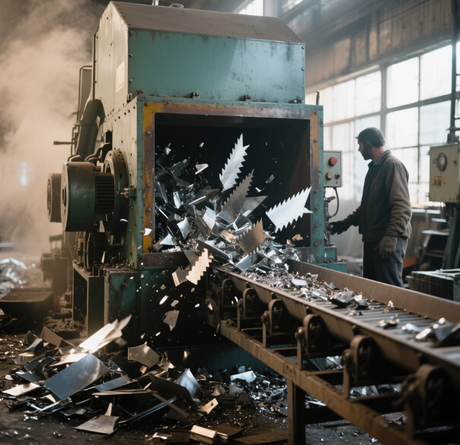
You use a plastic crusher to break down plastic waste into smaller, manageable pieces. This machine features sharp blades and a strong motor, allowing you to process large volumes of plastic quickly. In industrial settings, you rely on a plastic crusher to manage waste sustainably and reduce disposal costs. You find these machines in recycling plants, production facilities, and even research labs. They help you recover waste from molding, trimming, and casting processes. When you crush plastic, you make it easier to reuse or sell as raw material, which can generate revenue for your facility. You also help reduce your carbon footprint by recycling more efficiently.
Impact crushers use fast rotors and hammers to smash plastic, making them suitable for many types of plastic and effective in recycling operations.
Plastic crushers operate through rotating blades or hammers that shear and impact the material. You must consider the hardness and flexibility of the plastic you process. Tough plastics need more force, while flexible materials require special blade designs to prevent wrapping around the rotor. Some plastics are sensitive to heat, so you need a crusher that controls temperature to avoid melting.
You can choose from several types of plastic crushers, each designed for specific tasks:
Plastic Bottle Crushers: You use these for PET bottles and HDPE containers.
Soundproof Crushers: These feature insulated covers to reduce noise in your workspace.
Online or Beside-the-Press Crushers: You place these next to molding machines to minimize waste during production.
Granulators and Pulverizers: These machines produce uniform granules or grind plastic into powder for further processing.
Long Plastic Pipe Crushers: You handle long pipes without pre-cutting, thanks to a circular tube-shaped feeding port.
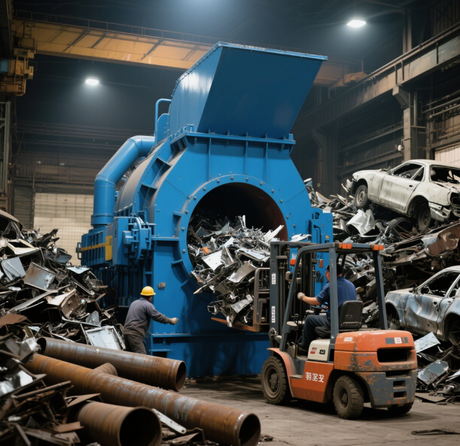
Heavy-Duty Crushers: You use these for reinforced or bulky items that require extra power.
Advancement Type | Description |
|---|---|
Energy Efficiency | High-efficiency designs help you save energy and reduce costs. |
Intelligent Control Systems | PLC systems allow you to monitor and control operations automatically. |
Innovative Design Features | Advanced blade shapes and permanent magnet motors improve cutting and reliability. |
You find industrial plastic crushers in manufacturing, retail, public works, and healthcare. You can melt crushed plastic into new products or use it in road construction. By choosing the right type, you improve your recycling process and support environmental sustainability.
When you operate a plastic crusher, you rely on several key parts working together to break down plastic waste. Each component plays a specific role in crushing efficiency and power. Here are the main components you find in a standard machine:
Cutting Blades (Knives): These sharp blades slice through plastic.
Rotary Blades (Rotor Blades): Mounted on the rotor shaft, they spin and chop material.
Fixed Blades (Bed Knives/Stator Blades): These hold plastic in place and help shear it.
Rotor: The central shaft that supports the rotary blades.
Crushing Chamber (Housing): This enclosed space contains the blades and rotor.
Screen (Sieve/Grate): Determines the final size of the crushed plastic pieces.
Hopper (Feed Chute): The entry point for plastic waste.
Drive & Power Transmission: Includes the electric motor and transmission system.
Base Frame: Provides a stable foundation for the machine.
Bearings: Support the rotor shaft at both ends.
Electrical Control Panel: Houses the control circuitry and safety systems.
Tip: A well-designed rotor with high torque and low speed improves recycling efficiency. This design prevents overheating and keeps the plastic from melting, which helps maintain the quality of the output.
You can see how each part contributes to crushing efficiency and power. The table below shows how these components work together:
Component | Function |
|---|---|
Feeding Hopper | Guides plastic waste into the machine using gravity and force. |
Crushing Chamber | Houses the cutting blades and rotor, central to the crushing process. |
Rotating Blades | Spin at high speeds to slice and chop plastic into smaller pieces. |
Fixed Blades | Hold the plastic in place during shredding, working with rotating blades for effective cutting. |
Screen Mesh | Determines the final size of the crushed plastic; smaller holes yield finer output. |
Discharge Outlet | Allows the processed plastic to exit the machine for further processing or reuse. |
A high-torque, low-speed rotor design helps you break down tough materials without overheating. This approach reduces energy use and extends blade life, which lowers maintenance costs and improves crushing efficiency and power.
You need to follow a series of steps to operate a plastic crusher safely and effectively. These steps help you maximize crushing efficiency and power while keeping the machine in good condition.
Train and certify yourself in operating the plastic crusher.
Prepare tools and spare parts, such as wrenches, pliers, lubricating oil, and bolts.
Inspect the machine for oil leaks and check that all parts are intact and secure.
Verify the signal system and ensure the power supply is safe and hazard-free.
Perform pre-operation checks, including inspecting the hopper and confirming safety guards are in place.
Load plastic materials evenly into the hopper, avoiding overloading.
Make sure you know how to use the emergency stop and keep it accessible.
Follow lockout/tagout procedures during maintenance to prevent accidental start-ups.
Note: Always wear safety glasses and gloves. Keep your workspace clean and inspect the equipment regularly for wear or damage.
When you start the plastic recycling process, you feed plastic waste into the hopper. The blades and rotor inside the crushing chamber slice and chop the plastic into smaller pieces. The screen mesh controls the size of the output, and the discharge outlet lets you collect the processed material. This step-by-step process increases the density of some plastics, making them easier to handle and recycle. However, films and sheets may have lower bulk density after crushing, which can make recycling more challenging.
You face several common challenges during operation. You must ensure the driving wheel moves smoothly before starting the machine. You need to maintain a uniform feed and prevent unbreakable objects from entering the crusher. Regularly check bolts and worn parts to keep the machine running safely.
By following these steps and understanding each component, you improve the efficiency of your industrial plastic crusher. You make the plastic recycling process smoother and more effective, which benefits both your facility and the environment.
When you operate a plastic crusher, you rely on several built-in safety features to protect yourself and others. These features help you avoid accidents and keep the machine running smoothly. Modern plastic crushers often include:
Emergency stop buttons that let you shut down the machine instantly.
Safety interlock systems that prevent operation if guards are open.
Overload protection to stop the crusher if it gets jammed.
Automatic rotor reversal to clear blockages without manual intervention.
Metal detectors that alert you if metal objects enter the crushing chamber.
These safety features work together to reduce risks and create a safer environment for recycling operations.
You can lower the chance of injury by following safe practices and understanding how each safety feature works. The table below shows how different safety features help you stay safe while using a plastic crusher:
Safety Feature | Description |
|---|---|
Protective Cover | Strong cover prevents injury from flying plastic pieces during operation. |
Safety Switch Device | Stops the machine automatically when the cover is opened, keeping you safe. |
Regular Inspection and Maintenance | Ensures blades stay in good condition and prevents accidents caused by wear. |
Equipment Stability Check | Prevents machine vibrations that could lead to accidents. |
Operation Regulations and Training | Provides clear procedures and training for safe machine use. |
You should always inspect the machine before use. Make sure all guards and covers are secure. Check for loose bolts and worn blades. You need to follow the manufacturer's guidelines and attend safety training sessions. If you notice any unusual sounds or vibrations, stop the machine and investigate.
Regulatory standards also guide you in maintaining safety. You may see labels like CE, UL, or ISO 12100 on your equipment. These standards set rules for machine design, electrical safety, and environmental impact. The table below lists some common standards you might encounter:
Standard | Description |
|---|---|
CE | Covers safety, electromagnetic compatibility, and environmental impact in the EU. |
ISO 12100 | Provides a framework for risk assessment and safety in machinery design. |
UL | Focuses on electrical and fire safety in North America. |
ISO 9001 | Sets requirements for quality management systems. |
ISO 14001 | Sets requirements for environmental management systems. |
CCC | Ensures safety and electromagnetic compatibility in China. |
BIS | Requires strict registration for imported machinery in India. |
INMETRO | Includes labor safety aspects in Brazil. |
PSE | Mandatory for electrical products in Japan. |
EAC | Critical for the Eurasian Economic Union in Russia. |
Tip: You improve workplace safety and support recycling efforts by following these standards and using all safety features correctly.
You play a vital role in reducing plastic waste when you use a plastic crusher. This machine breaks down large plastic items into smaller, manageable pieces. You make recycling easier and more effective by decreasing the size of plastic waste. When you crush plastic, you help divert it from landfills. You prevent valuable materials from contributing to landfill overflow. The operation of a plastic crusher reduces the volume of plastic waste. You find it easier to store, transport, and dispose of plastic after crushing. This process saves landfill space and eases the burden on waste management systems.
Plastic crushers increase the density of plastic materials. You can pack more plastic into each storage container or transport vehicle. Higher density means you use less space and fewer resources. You support the circular economy by making it possible to reuse and recycle more plastic. You help keep plastic out of the environment and give it a second life as new products.
Tip: When you use an industrial plastic crusher with big crushing capacity, you process large volumes of plastic quickly. You boost crushing efficiency and power, which leads to faster recycling and less waste.
You improve recycling efficiency when you use a plastic crusher. Machines with high-quality blades and strong motors process plastic faster and more consistently. You see better results with larger rotors and smart feeding systems. These features help you achieve big crushing capacity and save energy. Some machines use ABB or Schneider frequency converters to adjust motor speed. You reduce energy consumption by 10-20% with these systems.
You find that efficient plastic crushers increase the value of recycled material. Consistent particle sizes make it easier to reuse plastic in manufacturing. You boost material value by 10-15% when you use a reliable crusher. You also lower maintenance costs because precision-made blades last longer.
Plastic crushers have a strong impact on local waste management systems. You can see the results in different regions:
A plastic recycling machine in Nigeria reached a recycling efficiency of 97%.
Another machine reported a recycling output of 82.2%.
A low-cost shredding machine shredded 53.2% of plastics, with 95% efficiency for PVC.
A PET bottle crusher achieved a maximum recycling efficiency of 93.73%.
You support the environment when you use a plastic crusher in recycling plants. You reduce the amount of plastic waste sent to landfills, which promotes a sustainable future. You prevent pollution by ensuring all plastic waste is processed. You protect marine life and ecosystems. You save water compared to traditional recycling methods. You cut down on greenhouse gas emissions from plastic production.
Environmental Benefit | How You Contribute |
|---|---|
Landfill Reduction | You divert plastic waste from landfills. |
Pollution Prevention | You process all plastic waste, protecting nature. |
Water Conservation | You use less water than older recycling methods. |
Lower Emissions | You reduce greenhouse gases from plastic production. |
You help build a circular economy when you recycle plastic efficiently. You keep resources in use and reduce the need for new plastic production. You make a positive impact on your community and the planet.
You often see both shredders and industrial plastic crushers in recycling plants, but they serve different purposes. Shredders use heavy-duty, slow-speed, high-torque blades to tear and rip large pieces of plastic into smaller chunks. You rely on shredders for dense or thick plastics that need powerful force. In contrast, an industrial plastic crusher uses high-speed rotating blades to cut plastic into fine granules quickly. This method works best for brittle, soft, or thin plastics.
Here is a table to help you compare the two machines:
Feature | Plastic Crusher | Plastic Shredder |
|---|---|---|
Design | High-speed rotating blades | Heavy-duty, slow-speed, high-torque blades |
Operation | Cuts plastic into fine granules quickly | Tears and rips large pieces into chunks |
Ideal Materials | Brittle, soft, or thin plastics | Dense, thick plastics |
Output Size | 3 to 12 mm | 20 to 100 mm |
Maintenance | Easier upkeep, lower costs | More robust, may require frequent maintenance |
Speed | High-speed operation | Lower-speed operation |
Mechanism | Sharp blades and rotor dynamics | High-torque gears for pulling apart materials |
Application | Uniform granulation for recycling | Versatile for various applications |
You notice that an industrial plastic crusher delivers higher crushing efficiency and power, especially when you need uniform granulation. Data shows that using the right plastic crusher can boost productivity by up to 30%. You also benefit from high output and low energy consumption, which supports your recycling goals and the circular economy.
You may wonder how an industrial plastic crusher compares to a granulator. Both machines reduce plastic size, but the output quality differs. Granulators produce uniform, clean-cut granules that you can reuse directly in manufacturing. An industrial plastic crusher creates irregular fragments, which may need further processing before you can use them in sensitive applications.
Machine Type | Output Quality Description |
|---|---|
Plastic Granulator | Produces uniform, clean-cut granules ideal for direct reuse in manufacturing processes. |
Crusher | Generates irregular fragments that are often unsuitable for sensitive processes without further processing. |
You choose a granulator when you need precise, high-quality granules. For general recycling, an industrial plastic crusher offers greater capacity and handles a wider range of materials. Heavy-duty crushers can process bulky items, making them ideal for large-scale recycling operations. By selecting the right machine, you improve your recycling process and help build a circular economy.
When you select a plastic crusher, you need to consider several important factors. Each factor helps you match the machine to your recycling goals and materials. The table below shows the main points you should review:
Factor | Description |
|---|---|
Type of Plastic | You must know the properties of each plastic you plan to process. Some plastics are soft, while others are hard or have a high melting point. |
Desired Particle Size | You decide how small you want the plastic pieces to be after crushing. This affects your choice of screen and blade. |
Machine Capacity | You check how much plastic the crusher can handle per hour. This helps you avoid bottlenecks in your recycling line. |
Budget | You set a budget for your purchase. Higher-end machines offer more features, but you need to balance cost and performance. |
Crusher Characteristics | You look at the size of the crushing chamber, the type of blades, and the speed of the machine. These features affect efficiency and output. |
Tip: Soft plastics like polyethylene are easier to crush than hard plastics such as polycarbonate. The melting point of the plastic also guides your choice of crusher.
You should also think about the throughput capacity and energy use. Some models process more pounds per hour, but higher horsepower motors may use more energy. You want a machine that balances speed and efficiency for your needs.
You match a plastic crusher to your facility by looking at your specific requirements. Start by listing the types of plastic you recycle. Hard materials need powerful crushers, while soft materials work with standard machines. Next, decide on the output size you need. Some production lines require fine granules, so you choose a crusher with adjustable screens.
Here is a table to help you compare criteria:
Criteria | Description |
|---|---|
Type of Plastic Material | Hard plastics need strong crushers; soft plastics need less power. |
Output Size Requirements | Choose screens for the granule size your process needs. |
Production Capacity | Match the crusher’s throughput to your recycling volume. |
Blade Design & Material | Use durable blades for tough plastics; blade shape affects cutting. |
Ease of Maintenance | Pick machines with removable screens and easy-to-clean parts. |
Safety Features | Look for emergency stops and protective guards to keep you safe. |
Energy Efficiency | Select machines with efficient motors to lower your energy costs. |
Integration with Existing Line | Make sure the crusher fits with your current equipment and automation systems. |
Different plastics have unique properties, such as density and chemical resistance. You may need a high-speed, low-torque crusher for plastics with low melting points. For tough, chemical-resistant plastics, you choose a heavy-duty, high-torque model.
The physical characteristics of your plastics, like brittleness or flexibility, also affect your choice.
Note: Always check that your plastic crusher includes proper safety features. This protects you and your team during operation.
Plastic crushers help you reduce plastic waste and support efficient recycling. You process large volumes quickly, saving time and resources. By understanding how a plastic crusher works, you improve safety and recycling outcomes.
Safety Feature | Contribution to Safety and Efficiency |
|---|---|
Emergency stop buttons | Quick halting in emergencies |
Protective guards | Shield you from moving parts |
You protect the environment and make responsible choices when you select a plastic crusher with strong safety features and low energy use. Start recycling smarter today for a cleaner future.
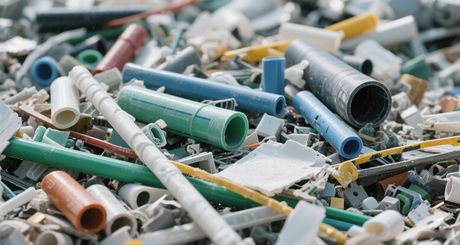
You can process PET bottles, HDPE containers, plastic films, pipes, and packaging waste. A Plastic Crusher handles both soft and hard plastics. You improve recycling results by matching the machine to the material type.
You clean the blades, check for wear, and lubricate moving parts regularly. You inspect safety guards and replace damaged components. Routine maintenance keeps your Plastic Crusher efficient and safe.
You stay safe by following manufacturer guidelines and using built-in safety features. Emergency stop buttons, protective covers, and regular inspections help you avoid accidents when operating a Plastic Crusher.
You find small Plastic Crusher models for home use. These machines help you recycle household plastic waste. You must follow safety instructions and choose a model with proper guards.
You reduce plastic waste, save landfill space, and support recycling. A Plastic Crusher increases material density and improves recycling efficiency. You help protect the environment and promote a circular economy.