Views: 0 Author: Site Editor Publish Time: 2025-10-02 Origin: Site
A plastic crusher helps you break down plastic items at home, turning bottles and containers into small pieces for easier recycling. You can use a plastic crusher to reduce waste and support the environment. Most household plastic—about 91%—doesn’t get recycled, so using a plastic crusher makes a big difference. More people want diy plastic recycling options, and a plastic crusher is a great place to start. You can crush plastic at home and join the movement to recycle more plastic.
A plastic crusher helps break down plastic items at home, making recycling easier and reducing waste.
Building a DIY plastic crusher requires strong materials and a clear plan. Gather essential components like stainless steel sheets and sharp blades.
Sorting and cleaning plastic before crushing improves recycling results. Use separate bins for different types of plastic.
Recycling plastic at home saves energy and reduces landfill waste. It also sets a positive example for your family and community.
Safety is crucial when using a plastic crusher. Always wear protective gear and keep your workspace clean to prevent accidents.
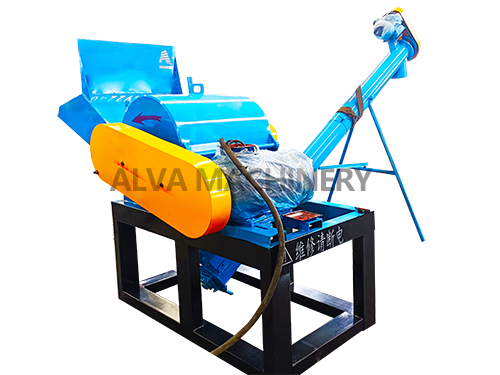
When you use a plastic crusher, you rely on some simple but powerful mechanical principles. Most home crushers use an electric motor, like a single-phase induction motor. This motor usually has about 550 watts of power and spins at 1405 rpm. It connects to the main shaft with a belt and pulley system. The shaft holds sharp blades that rotate quickly. These blades work with stationary knives to create a shearing zone. As you feed plastic into the crusher, the spinning blades slice and shred the material.
Here’s a quick look at the main parts you’ll find in most home plastic recycling machines:
Specification | Details |
|---|---|
Type | Single Phase Induction motor |
Input power | 550 watt/1 HP |
Input speed | 1405 rpm |
Input torque | 3.738 Nm |
You might also see gears for power transmission, a single shaft with two-edged blades, and a basin to collect the shredded plastic. Some crushers use a slider-crank system to turn the motor’s spinning motion into the force needed for crushing.
Tip: If you want a quieter crusher, look for one with a horizontal shredder design.
Let’s break down how a plastic crusher works with a step-by-step guide. These instructions help you understand what happens inside the machine:
Power Up: Turn on your plastic recycling machine. The motor starts spinning the main shaft.
Feed Plastic: Place your plastic bottles or containers into the shredder’s chamber.
Shearing Action: The rotating blades grab the plastic and slice it against the stationary knives.
Screening: Crushed pieces fall through a mesh screen. Only small enough pieces pass through.
Recirculation: Larger chunks stay in the chamber for more crushing until they fit through the screen.
Collect Shreds: The shredded plastic drops into a basin, ready for recycling.
You can follow this step-by-step guide for most home plastic recycling machines. Always check the detailed instructions for your specific crusher model. If you want to get the best results, use these instructions every time you recycle plastic at home.
Note: Following the right step-by-step guide keeps your crusher working smoothly and makes recycling easier.
Building your own plastic crusher at home can feel like a big project, but you can do it with the right tools, materials, and a clear blueprint. You might want a homemade plastic shredder for recycling bottles, or maybe you want to build a bottle crusher for all kinds of plastic waste. Either way, you can create a homemade plastic recycling tool that fits your needs and space.
When you start to build a plastic recycling gadget, you need to gather the right parts. A sturdy frame and sharp blades make your homemade crusher work well. Here’s what you’ll need for a reliable homemade plastic shredder:
Stainless steel sheet AISI 304 (3mm, 5mm & 6mm)
Hex rod (27mm)
Round rod (25mm)
Pillow block bearing (ID 20mm)
10mm threaded rod
Mesh for filtering crushed plastic
Metal sheet for the hopper (1mm)
3-phase 2 Hp motor
70 rpm 2 Hp gearbox
1.25" square pipe for the base
1.25" x 4mm angle for support
Forward and reverse switch
You want your homemade plastic recycler to last, so pick strong materials. Here’s a quick table to help you choose:
Material Type | Description |
|---|---|
Steel frame | A sturdy steel frame will serve as the structural base for your crushing machine. |
Blades | High-quality blades, preferably made of hardened steel, are crucial for efficiently breaking down the plastic waste. |
You can also use wear-resistant steel like Hardox 400 for the blades. For the frame, steelplate 15mm or steel tube square 50x50x3 works well. These materials keep your crusher stable and safe.
Tip: Use square pipe for the base. It gives your homemade crusher extra stability and keeps it from wobbling during use.
The mesh size matters, too. If you want to crush PET bottles, use a mesh with 16-18mm holes. For PVC plastic, a 30mm mesh works better. The right mesh size helps you get even flakes and makes recycling easier.
A plastic bottle crusher is one of the most popular homemade plastic recycling tools. You can build a bottle crusher with a simple design blueprint and a few common tools. Here’s a step-by-step way to crush plastic bottles at home:
Remove the cap. Air inside the bottle makes crushing harder.
Squeeze the bottle from the sides. Press the middle first so the top and bottom collapse.
Step on it. A quick stomp flattens the bottle.
Recycle properly. Put the crushed bottle in the right bin.
If you want to build a bottle crusher that works faster, you can use a hand-cranked or electric homemade plastic shredder. A hand-cranked crusher is simple and doesn’t need electricity. An electric plastic bottle crusher works faster and can handle more bottles at once. Both types use sharp blades and a mesh to break bottles into small pieces.
Note: Creating a simple design blueprint before you start helps you avoid mistakes and saves time. Draw your homemade plastic shredder on paper or use free online tools.
You can also sort your bottles by color and type before crushing. This step makes your recycling more effective. Color coding is the best way to sort plastics. Separate clear, green, and colored bottles. Group PET and HDPE bottles together. Consistent sorting helps you get better results from your homemade plastic recycling tool.
You have many options when it comes to homemade plastic recycling tools. Besides a plastic bottle crusher, you can try a mini plastic shredder for small jobs. A mini plastic shredder fits on a table and works well for crushing plastic bottles, caps, and small containers. If you want to recycle more, you can add a washing system, drying machine, mixer, or pelletizer to your setup.
Here are some common tools and materials you’ll need to assemble your homemade plastic shredder:
PH screwdriver with a long, narrow shank
Basic electrical tools, wire, stripper, and tape
Saw or drill (like a jigsaw)
Patience (yes, it’s a real tool for any homemade project!)
A homemade plastic shredder or mini plastic shredder can help you recycle at home. You can use your homemade crusher to break down bottles, containers, and other plastic waste. If you want to build a bottle crusher or a homemade plastic recycling tool, start by creating a simple design blueprint. This step-by-step plan will guide you through the process and help you avoid common mistakes.
Tip: Always sort your plastics by color and type before crushing. This habit improves your recycling results and helps you understand how much of each plastic you collect.
A homemade plastic crusher can turn your recycling routine into a fun project. You can build a bottle crusher, a mini plastic shredder, or even a homemade plastic recycler with the right blueprint and tools. Start small, learn as you go, and enjoy the process of building your own homemade plastic recycling tool.
When you recycle plastic at home, you help the environment and reduce waste in your community. You can cut down on the amount of plastic that ends up in landfills or pollutes rivers and oceans. Recycling plastics at home also saves energy because it takes less power to reuse plastic than to make new products from raw materials. You might even notice a smaller trash bill when you recycle plastic bottles and containers instead of throwing them away.
Home plastic recycling gives you more control over what happens to your waste. You can sort, clean, and crush plastic before it leaves your house. This step makes the recycling process easier for local centers. You also set a great example for your family and neighbors. Kids learn good habits when they see you recycle plastic bottles and other items every day.
Tip: Start small. Try to recycle plastic at home by setting up a simple sorting station in your kitchen or garage. You will see how much plastic you use and find ways to cut back.
You might wonder what happens to all the plastic you recycle at home. Many creative and useful products come from recycled plastic bottles and containers. Here are some of the most common applications:
Application | Description |
|---|---|
Indoor Insulation | Keeps your home warm and energy bills low. |
Structural Lumber | Strong, weather-resistant boards for building projects. |
PVC Windows | Durable and stylish window frames. |
Recycled Bricks | Quick to assemble and great for garden paths or walls. |
Fences | Long-lasting and eco-friendly fencing options. |
Floor Tiles | Colorful and sturdy tiles for any room. |
Carpeting | Soft, stain-resistant carpets made from recycled materials. |
Ceiling Tiles | Eco-friendly tiles that add value to your home. |
You can also use recycled plastic for:
Wall cladding and panels
Furniture and shelving
Decorative lighting fixtures
Partition panels and room dividers
Outdoor furniture and decor
When you build or use a plastic crusher at home, safety should always come first. You want your recycling project to be fun and productive, not risky. Let’s look at some simple ways to keep yourself and your workspace safe.
You need to focus on staying safe while building your crusher. Always wear goggles and gloves to protect your eyes and hands from sharp plastic pieces. Before you start, check that your crusher is grounded. This step helps prevent electric shock, especially if your workspace gets damp.
Keep your work area clean. Loose plastic bits or tools on the floor can cause slips or trips. Inspect your crusher before every use. Look for loose bolts, worn blades, or any gaps. If you hear strange noises or see the motor getting hot, turn off the crusher right away.
Here’s a quick table to help you remember key safety guidelines:
Safety Guideline | Description |
|---|---|
Personal Protective Equipment | Wear goggles and gloves to prevent injuries. |
Equipment Grounding | Make sure the crusher is grounded to avoid electric shock. |
Clean Work Area | Keep your space tidy to prevent accidents. |
Regular Inspection | Check blades, bolts, and fastenings before use. |
Motor Status | Watch for overheating or odd sounds. |
Safety Cover | Secure the cover so it can’t open during operation. |
Safety Switch | Use a switch that stops the crusher if the cover opens. |
You should also feed plastic into the crusher evenly. This keeps the motor from jamming. Never open or clean the crusher while it’s running. Always stop feeding plastic before you shut down the machine. Staying safe while building and using your crusher means you can enjoy recycling without worry.
Tip: Give everyone who uses the crusher a quick safety lesson. Training helps prevent accidents.
Good maintenance keeps your plastic crusher running smoothly for years. After every use, clean out leftover plastic and check the mesh screen for clogs. Lubricate moving parts on a regular schedule. Replace worn blades right away to keep the crusher working safely and efficiently.
Here’s a simple checklist for long-term care:
Align all parts and check electrical connections during setup.
Set a regular schedule for cleaning and inspecting the crusher.
Sort your plastic before crushing to avoid stones or metal pieces.
Keep spare blades and fasteners handy for quick repairs.
Watch for any changes in how the crusher sounds or works.
Staying safe while building your crusher and keeping up with maintenance makes recycling at home easy and safe. You protect yourself, your family, and your equipment. With these habits, your plastic crusher will help you recycle for a long time.
Sorting your plastic waste is the first step to successful recycling at home. You want to make sure each type of plastic goes in the right place. This helps you get better results when you use your crusher or take your materials to a recycling center.
Here’s a quick look at common types of plastic you might find:
Type of Plastic | Description |
|---|---|
PET | Polyethylene Terephthalate |
MLP | Multi-Layered Plastic |
HDPE | High-Density Polyethylene |
PVC | Polyvinyl Chloride |
LDPE | Low-Density Polyethylene |
PP | Polypropylene |
PS | Polystyrene |
You can set up a sorting system at home. Try these tips to make sorting easy:
Create separate bins for each type of plastic.
Teach everyone in your house which plastics go where.
Keep all recyclables clean and dry.
Use a simple chart or guide near your bins.
Tip: Sorting by color and type before crushing makes your recycling process smoother and improves the quality of your recycled plastic.
Once you sort your plastic, you need to get it ready for recycling. Clean plastic works best in your crusher and helps prevent contamination.
Follow these steps to prepare your plastic:
Rinse bottles and containers to remove food or drink residue.
Return caps to bottles if your recycling service accepts them.
Crush or flatten bottles to save space in your bin.
Remove dirt, metal, and paper from your plastic items.
For sticky messes, use soap and water for a quick wash.
You want to avoid common contaminants like sand, stones, oil stains, and pesticide residue. A rough wash can help remove these before you start crushing. Keeping your plastic clean and sorted means your recycling project will run smoothly and your final product will be higher quality.
Here’s a simple overview of the home recycling process:
Collect your plastic waste separately from other trash.
Sort by type, color, and properties.
Wash to remove labels, adhesives, and dirt.
Shred or crush plastic into small pieces.
Melt and mold the plastic into new shapes or pellets.
Check the quality of your plastic particles.
Extrude or compound the melted plastic for future use.
Remember: Clean, sorted plastic makes the recycling process easier and helps you get the best results from your home setup.
Building your own plastic crusher gives you control over recycling at home. You only need strong materials, basic tools, and a simple plan to get started. Regular checks and cleaning keep your crusher safe and efficient. If you want to make a difference, join local recycling drives or connect with groups like Precious Plastic. You can turn old bottles into useful items for your home or even try creative projects like 3D printing. Start your DIY plastic recycling journey today—every step counts!
You can use a plastic crusher for most household plastics like PET bottles, HDPE containers, and PP packaging. Always check the label. Avoid crushing plastics with metal parts or hazardous residues.
Unplug your plastic crusher first. Remove leftover plastic pieces with a brush or cloth. Wipe the blades and mesh. Make sure everything is dry before you use the plastic crusher again.
Yes, you can build a hand-cranked plastic crusher using basic tools like a screwdriver, saw, and wrench. A manual plastic crusher works well for small batches and gives you more control.
Kids should not use a plastic crusher alone. Always supervise them. Teach them to wear gloves and goggles. Safety comes first when you use any plastic crusher at home.
Turn off your plastic crusher right away. Unplug it. Remove any stuck plastic with pliers or a stick. Never use your hands near the blades. Check for damage before you start the plastic crusher again.