Views: 0 Author: Site Editor Publish Time: 2026-10-19 Origin: Site
How can recycling plants turn bulky scrap metal into valuable resources? Irregular metal waste often slows processing and complicates material recovery. A Metal Crusher reduces scrap size, improves handling, and supports efficient separation. Discover how metal crushing technology improves scrap processing efficiency and maximizes resource recovery.
A Metal Crusher plays an important role in modern scrap recycling. It reduces oversized materials, improves material handling, and prepares scrap for further separation. A well-designed crushing process can also help recycling plants recover more usable metal from mixed waste streams.
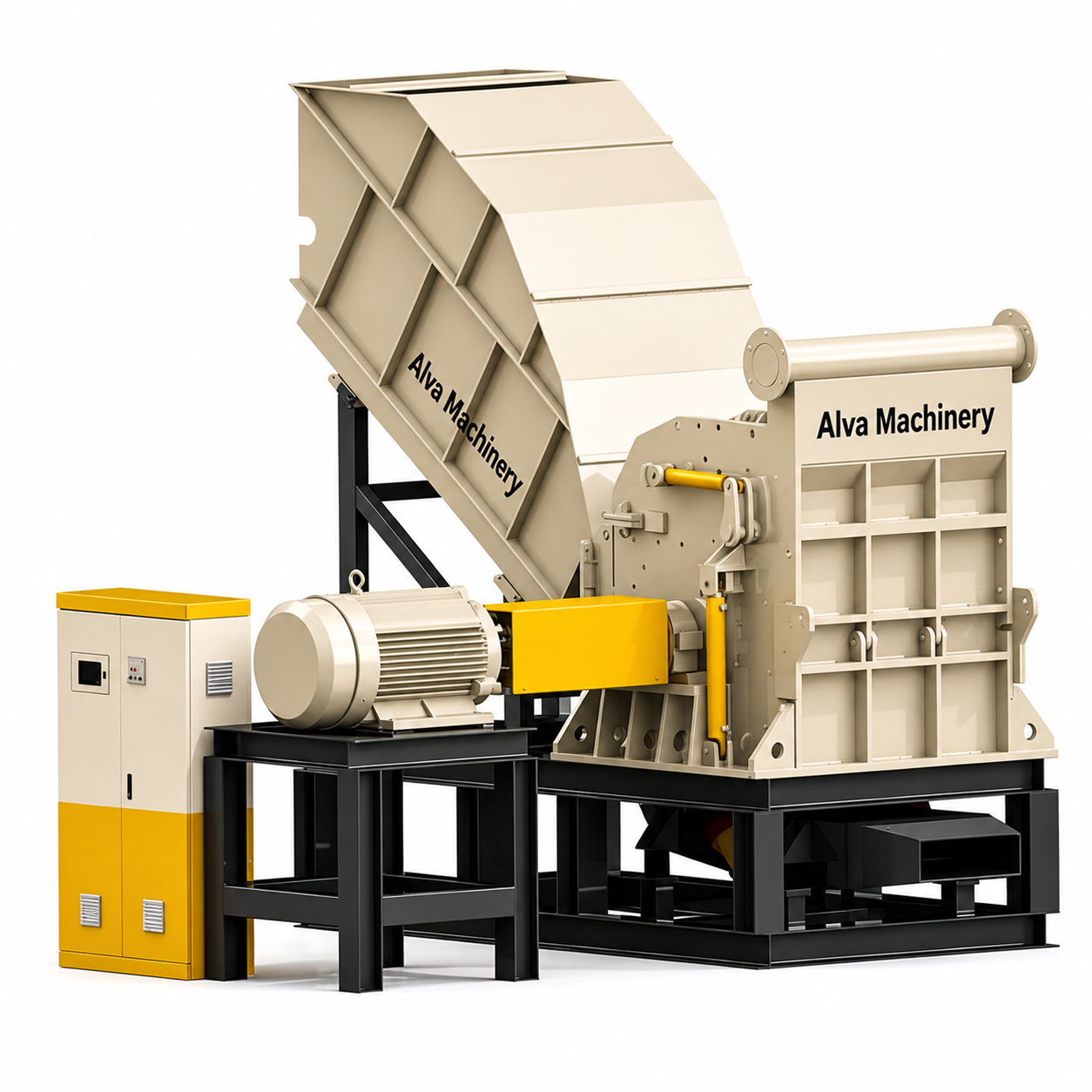
Large steel sheets, discarded metal containers, and industrial scrap often create handling problems. Their irregular dimensions make storage, conveying, and sorting difficult. A scrap metal crusher machine uses rotating hammers to strike and deform these materials repeatedly. The crushing chamber directs the metal through successive impact cycles until suitable pieces can discharge.
Smaller scrap pieces move more easily through properly designed conveyors and sorting equipment. This reduces the need for repeated manual handling and improves preparation for downstream recycling. However, operators must match the crusher configuration to the original material thickness and hardness.
Loose scrap often occupies more space than its weight suggests. Hollow containers, thin metal sheets, and irregular automotive components leave large gaps during storage. Crushing changes their shapes and reduces the space between individual pieces.
This process can increase the bulk density of suitable scrap materials. Recycling facilities may store more material in existing containers and improve truck loading efficiency. The actual improvement depends on scrap composition, original shape, and crushing conditions.
Industrial scrap frequently contains several connected materials. Automotive components may combine steel, aluminum, rubber, and plastic. Similar problems occur when processing household appliances and manufacturing waste.
Impact crushing helps break certain connections between these materials. Metal fragments can become more accessible for downstream separation equipment. This process, known as material liberation, supports more effective sorting when crushing produces suitable particle sizes.
However, crushing alone cannot completely separate every material. Additional sorting equipment remains necessary for reliable recovery.
Magnetic separation is an important stage in ferrous metal recycling. Large, irregular scrap pieces may trap unwanted materials or create uneven feeding conditions.
A metal crusher reduces suitable scrap into smaller fragments before sorting. These pieces can spread more consistently across magnetic separation conveyors. Magnets then attract iron and carbon steel while leaving many non-magnetic materials behind.
Effective separation depends on particle size, material distribution, and equipment settings. Proper feeding helps magnetic separators achieve more consistent results.
Aluminum and copper represent valuable materials in industrial recycling. However, they often appear alongside steel, plastics, and other contaminants.
Crushing can help release these metals from mixed scrap assemblies. After ferrous materials are removed, suitable fragments can enter eddy current separation equipment. This technology separates many conductive non-ferrous metals from non-conductive materials.
The success of this process depends on particle dimensions and separation conditions. Smaller particles are not always better, because excessive fines may complicate recovery.
Uneven material dimensions can disrupt recycling operations. Large pieces may block transfer points or overload downstream equipment. Meanwhile, irregular feeding can create unnecessary interruptions.
An industrial metal crushing machine produces a more manageable feedstream when properly configured. This helps conveyors, screening systems, and separators operate under more consistent conditions.
Coordinating crusher output and downstream capacity is especially important. A high-capacity crusher offers limited value when subsequent equipment cannot handle its discharge.
Tip: Evaluate crushing efficiency alongside downstream recovery performance. Higher throughput does not automatically mean better metal recovery.
Metal crushers serve different recycling applications, but no single configuration handles every material equally. Operators should evaluate metal composition, thickness, bulk density, and contamination before processing.
Steel recycling facilities regularly process metal sheets, industrial offcuts, empty containers, and selected automotive components. These materials often require significant size reduction before further recovery.
A scrap metal hammer crusher uses repeated impact forces to deform and break suitable steel waste. Its rotor and hammer configuration must match the expected material resistance.
For ferrous recycling applications, ALVA offers the Scrap Steel Crusher / Ferrous Metal Crusher. This heavy-duty equipment is designed for secondary crushing in scrap steel recycling operations.
Aluminum cans, window profiles, and production offcuts create different processing challenges. They are often lightweight, hollow, or irregularly shaped. Their physical characteristics influence feeding stability and actual processing capacity.
An aluminum scrap crushing machine should provide suitable material reduction without creating unnecessary fines. Proper feeding helps maintain steady throughput and protects wear components.
ALVA's Aluminum Scrap Crusher / Non-ferrous Metal Crusher is designed for aluminum and selected non-ferrous metal recycling. Large profiles may require primary shredding before secondary crushing.
Automotive recycling produces a wide range of mixed metal waste. Examples include body panels, suitable radiator scrap, lightweight structures, and dismantled metal components.
Some materials contain attached plastics, rubber, or non-ferrous metals. Crushing helps reduce suitable components and exposes materials for further separation.
However, batteries, fluids, pressurized parts, and other hazardous components require removal beforehand. Proper dismantling protects equipment and reduces processing risks.
Manufacturing facilities produce metal chips, turnings, and irregular machining waste. Long metal turnings may tangle during feeding, while contaminated scrap can accelerate equipment wear.
Depending on their shape and composition, these materials may require dedicated chip processing or pretreatment equipment. Not every hammer crusher is suitable for long, flexible turnings.
Selecting the correct processing system helps maintain stable operation and reduces unnecessary maintenance.
A typical scrap metal recycling process combines feeding, crushing, material transfer, and separation. Each stage affects the overall performance of the recycling facility.
Scrap enters the crusher through a feeding conveyor or another suitable loading system. Operators must control the incoming material volume and distribution.
Excessive feeding can overload the rotor and reduce crushing efficiency. Uneven material loading may also cause sudden motor current fluctuations.
A controlled feeding system helps maintain consistent chamber loading. It also allows operators to respond when material resistance increases.
Inside a hammer crusher, a powered rotor carries multiple crushing hammers. As the rotor turns, these hammers strike incoming metal scrap.
Repeated impacts bend, deform, and fracture suitable materials. The scrap also contacts internal crushing surfaces during processing.
Different rotor designs and hammer arrangements produce different crushing characteristics. Hardness, feed thickness, and chamber construction determine how efficiently materials break down.
Heavy-duty hammer systems are especially important when processing resistant steel scrap.
After crushing, metal fragments leave the chamber through the discharge system. Some machines use screens or other discharge controls to influence output size.
Conveyors transport the processed material toward screening and separation equipment. Magnetic separators may remove ferrous metals before further sorting.
Non-ferrous materials can then enter suitable additional separation stages.
The entire process must remain balanced. Excessively fine or inconsistent output can reduce separation efficiency instead of improving it.
Resource recovery involves more than breaking waste into smaller pieces. Its objective is to produce usable material fractions that meet downstream recycling requirements.
Mixed scrap often contains recoverable steel alongside non-metallic materials. Crushing exposes suitable ferrous components and changes their physical dimensions.
A magnetic separator can then attract steel and iron fragments. This reduces the amount of non-magnetic material entering the recovered ferrous stream.
Better liberation may improve sorting performance when supported by appropriate equipment. However, actual recovery depends on contamination levels and separator adjustments.
Aluminum and copper can remain trapped within larger waste assemblies. Their recovery becomes difficult when attached materials prevent effective sorting.
A metal crusher for resource recovery helps break down suitable mixed structures. This exposes valuable metal fractions before further mechanical separation.
For example, processed aluminum scrap may pass through ferrous removal and eddy current separation. These stages work together to recover valuable materials.
The crusher prepares the feed, while separation equipment performs the sorting.
Contamination affects the quality of recycled metal. Attached plastics, rubber, dirt, and unsuitable alloys may create problems during downstream processing.
Crushing can help release some attached materials. Subsequent screening, magnetic separation, and other sorting methods remove selected contaminants.
Cleaner scrap is generally easier to classify and prepare for further recycling. However, mechanical processing cannot guarantee complete material purity.
Operators should measure recovered material quality rather than relying only on visual appearance.
Recovered scrap must meet the requirements of its next processing stage. Steel mills, aluminum recyclers, and other facilities may require different material dimensions and contamination limits.
Crushing helps prepare scrap for these operations. Further sorting, densification, or cleaning may still be necessary.
Recycling Stage | Main Function | Value for Resource Recovery |
|---|---|---|
Scrap preparation | Remove unsuitable materials | Protects equipment and reduces contamination |
Metal crushing | Reduce material dimensions | Improves handling and material liberation |
Magnetic separation | Recover ferrous metals | Produces a more concentrated steel fraction |
Eddy current separation | Recover suitable non-ferrous metals | Supports aluminum and other metal recovery |
Final sorting | Improve material classification | Prepares recovered scrap for further recycling |
Note: Metal crushing improves material preparation, but final recovery quality depends on the complete separation process.
Crusher performance depends on incoming materials and machine configuration. Understanding these factors helps businesses select appropriate equipment and establish realistic production expectations.
Material hardness directly influences crushing resistance. Thick steel sections generally require greater impact energy than lightweight aluminum containers.
Bulk density also affects material loading. Loose scrap may occupy substantial chamber space while delivering limited weight-based throughput. Compressed scrap can create much higher loads within the same feeding volume.
Mixed materials introduce additional uncertainty because resistance changes between batches.
Operators should evaluate actual waste samples before determining the required crusher capacity.
Hammer geometry influences how impact energy reaches the scrap. Rotor speed affects impact conditions and the frequency of material contact.
Crushing chamber construction also determines how material moves during processing. Wear-resistant liners protect important machine surfaces against repeated impacts.
Higher rotor speed does not always produce better results. Excessive impact can increase wear and generate unnecessary fines.
The most suitable configuration balances material reduction, durability, and processing requirements.
Crusher capacity depends on more than nominal motor power. Feed volume, bulk density, material resistance, and discharge requirements all affect performance.
A smaller target output may require additional impact cycles. This can reduce throughput for certain materials.
Operators should also consider downstream separation capacity. Production becomes inefficient when one processing stage consistently exceeds the next stage's capabilities.
Tip: Ask suppliers to evaluate representative scrap samples, target output dimensions, and required hourly capacity together.
Metal crushers operate under demanding mechanical conditions. Feeding problems, component wear, and environmental controls can affect production reliability.
Oversized pieces may become trapped during feeding. Long or irregular materials can also create uneven chamber loading.
When resistance increases suddenly, the crusher may experience motor overloads or automatic shutdowns. These interruptions reduce operating continuity.
Operators can reduce many problems through material inspection and suitable pretreatment. Consistent feeding also helps control sudden load changes.
Repeated blockages may indicate an unsuitable crusher configuration rather than an isolated feeding problem.
Repeated impacts gradually wear hammer surfaces and internal liners. Abrasive contaminants can accelerate this deterioration.
Worn hammers may reduce crushing effectiveness and increase energy consumption per processed tonne. Severe damage can also affect mechanical balance.
Regular inspections help identify wear before it causes major interruptions. Operators should follow manufacturer guidance for replacement intervals and maintenance procedures.
Proper component selection remains essential when processing highly abrasive materials.
High-impact metal crushing can generate considerable noise and airborne particles. Painted or contaminated scrap may increase dust-related concerns.
Enclosed equipment and suitable dust extraction systems help control emissions. Noise protection and workplace monitoring may also be necessary.
Some materials can produce combustible or otherwise hazardous dust. Facilities must assess these risks before selecting control equipment.
Effective environmental controls protect workers and support reliable recycling operations.
Efficient operation requires the right equipment and a coordinated production process. Several practical adjustments can improve reliability and support better recovery results.
Begin by identifying the materials processed most frequently. Record typical dimensions, thickness, bulk density, and contamination levels.
The crusher must accommodate these conditions without excessive mechanical loading. Steel and aluminum waste may require different crushing configurations.
Facilities can compare suitable industrial crushers and recycling equipment according to their production requirements.
Equipment selection should prioritize actual material compatibility rather than maximum advertised capacity.
Proper material preparation reduces unnecessary equipment stress. Operators should remove prohibited materials and inspect suspicious scrap before feeding.
Large objects may require preliminary shearing or shredding. Consistent conveyor loading helps avoid sudden changes in crusher demand.
Automatic monitoring can provide useful information about motor load and equipment condition.
These measures support continuous operation and reduce avoidable interruptions.
Preventive maintenance helps preserve crushing efficiency. Inspect hammers, liners, bearings, and drive components according to operating conditions.
Screens, where installed, should remain clear and structurally sound. Operators should also monitor unusual vibration, noise, and changes in discharge quality.
All maintenance must follow appropriate equipment isolation procedures.
Replacing worn components before severe deterioration can prevent more expensive mechanical failures.
A successful metal crushing and separation system coordinates every processing stage. Feeding, crushing, conveying, screening, and sorting must operate at compatible capacities.
Magnetic separation typically handles recoverable ferrous fractions. Eddy current and other sorting equipment may process suitable non-ferrous materials afterward.
Operators should monitor both recovered metal quality and overall throughput.
A crusher producing more material than the separation line can handle may create new bottlenecks.
Tip: Track hourly throughput, recovered metal quality, equipment downtime, and maintenance costs. These measurements provide a clearer picture of actual recycling efficiency.
A Metal Crusher improves scrap processing by reducing bulky waste into manageable pieces. It supports efficient material handling, better metal separation, and greater resource recovery.
ALVA Machinery provides industrial metal crushing solutions for demanding recycling applications. Its scrap steel and aluminum crushers offer reliable material reduction and support downstream sorting. These solutions help recycling plants improve processing efficiency, reduce operational interruptions, and recover valuable metal resources.
A: A Metal Crusher reduces bulky scrap for easier recycling.
A: It prepares scrap for efficient sorting and metal separation.
A: It improves material handling and supports consistent processing.
A: Crushers provide impact reduction; shredders handle bulky materials through shearing.
A: Energy consumption, hammer wear, scrap hardness, and maintenance.
A: Control feeding rates and remove unsuitable materials beforehand.