Views: 0 Author: Site Editor Publish Time: 2026-04-10 Origin: Site
In today’s world, where sustainability is increasingly important, recycling has become an essential part of managing waste and conserving resources. One of the most important tools in the recycling industry is the metal crusher. These machines are designed to break down metal waste into smaller, more manageable pieces, improving the efficiency of recycling processes. In this article, we will explore the benefits of using a metal crusher, its applications in various industries, and why it is key to efficient recycling.
A metal crusher is a machine used to crush large metal items such as scrap metal, steel, and aluminum into smaller, reusable pieces. By breaking down metal waste, these machines play a critical role in the recycling process, enabling materials to be reused in the manufacturing of new products. With a metal crusher, recycling centers can streamline their operations, reduce waste, and contribute to environmental sustainability.
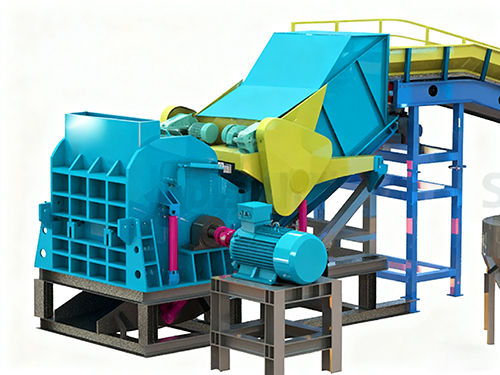
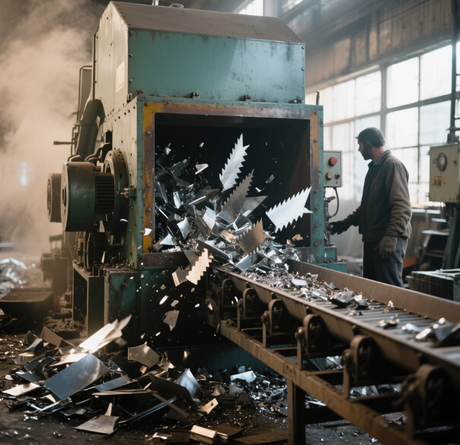
A metal crusher is designed to reduce the size of metal objects to facilitate easy recycling. These machines work by using powerful crushing mechanisms such as hydraulic pressure, high-speed rotors, or blades that cut, shear, or compress metal into smaller pieces. Commonly used in scrap metal recycling, these crushers are essential for industries that deal with the processing of metal waste, including automotive, construction, and electronics.
Motor: Powers the machine, providing the necessary force for crushing.
Crushing Chamber: The area where metal waste is fed and broken down.
Blades/Rollers: The components that physically break the metal into smaller pieces.
Discharge Conveyor: A mechanism that removes the crushed metal pieces from the machine for further processing or transportation.
Using a metal crusher in recycling processes offers numerous advantages, making it a crucial tool for recycling centers and industries that handle large volumes of metal waste.
One of the biggest benefits of using a metal crusher is the increased efficiency in processing metal waste. By breaking large, bulky metal items into smaller pieces, metal crushers make it easier to handle and sort materials. This increases the throughput of recycling facilities, allowing them to process more material in less time.
A metal crusher significantly reduces the volume of metal waste, which means that less space is required for storage and transportation. By compressing large amounts of metal into smaller sizes, it becomes easier to store the crushed material, leading to a more organized and efficient recycling process.
While the initial investment in a metal crusher can be significant, the long-term benefits are considerable. By automating the crushing process, metal crushers reduce labor costs, improve operational efficiency, and allow recycling centers to process a higher volume of materials. Additionally, reducing the size of the metal waste means less transportation cost, as smaller loads are more economical to move.
Using a metal crusher is a key step in reducing the environmental impact of waste. By breaking down scrap metal and enabling it to be recycled, these machines help reduce the amount of metal waste that ends up in landfills. Recycling metal saves energy compared to producing new metal from raw materials, reducing carbon emissions and conserving natural resources.
Metal crushers are used in various industries to efficiently process metal waste. Some of the key applications include:
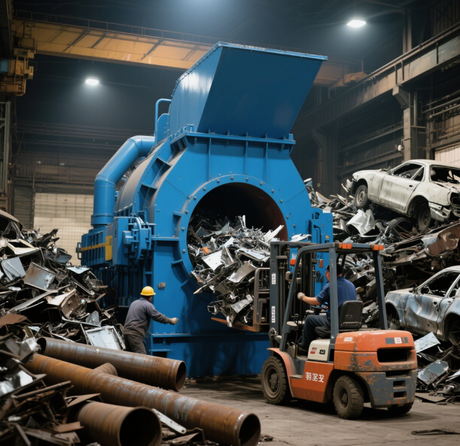
One of the primary applications of metal crushers is in the recycling of scrap metal. This includes metals from old cars, appliances, and industrial machinery. By processing these materials, recycling centers can extract valuable metals such as aluminum, copper, and steel, which can be reused in manufacturing processes.
E-waste, or electronic waste, is a growing concern due to the large quantities of discarded electronic devices. Metal crushers are used to break down e-waste, enabling the extraction of valuable metals like copper and gold from circuit boards, wires, and other components. This helps reduce the environmental harm caused by improper disposal of electronic devices.
Industries that produce metal waste, such as construction, demolition, and manufacturing, rely on metal crushers to process large amounts of scrap metal. These machines allow for more efficient recycling and recovery of valuable materials from waste generated by industrial activities.
There are several types of metal crushers, each designed to handle different kinds of metal waste. The choice of crusher depends on the specific needs of the recycling facility.
Horizontal metal crushers are designed for heavy-duty applications where large volumes of scrap metal need to be processed. These crushers are ideal for breaking down industrial machinery, car bodies, and large metal objects.
Vertical metal crushers are often used for smaller-scale operations or for processing smaller metal objects such as aluminum cans. These machines are compact and efficient, making them ideal for facilities with limited space.
Dual shaft metal crushers use two counter-rotating shafts to crush materials. These crushers are highly efficient for fine processing and are often used for materials that require more precise crushing, such as metal cables or aluminum sheets.
The role of a metal crusher goes beyond just reducing the size of metal waste. These machines also play a vital role in improving the overall efficiency of recycling operations by optimizing material flow and ensuring higher recovery rates.
A metal crusher provides a mechanical advantage by using powerful force to break down materials quickly and efficiently. This reduces the need for manual labor and speeds up the overall recycling process. As a result, recycling centers can process larger quantities of metal in less time.
By breaking down metal into smaller pieces, metal crushers facilitate better sorting and classification of materials. This enables the separation of different types of metals, allowing for more precise recycling and higher quality of recycled metal.
Maxim highlights the versatility of metal crushers in processing a variety of metal materials, including aluminum, steel, and copper. This versatility makes them an essential tool in enhancing the overall efficiency of recycling operations.
ShreddingTech emphasizes the ability of metal crushers to reduce downtime and maintain high throughput, making metal recycling operations more productive and cost-efficient.
EnerpatShredder explains that metal crushers are designed to break down large scrap metal pieces into small, manageable parts for easier handling and transportation. This improves the overall efficiency of recycling processes.
FudeMetalCrusher discusses the importance of metal crushers in handling tougher scrap metal, ensuring consistent size reduction and improving the quality of recycled metal.
RecyclingToday focuses on how metal crushers automate and speed up the scrap metal recycling process, leading to more sustainable practices in the recycling industry.
GomiRecycling explains that metal crushers improve recycling efficiency by enabling the separation of different metal types, enhancing sorting and material recovery.
DGM Machine emphasizes the technological advancements in metal crushers, such as energy-efficient models that reduce consumption while maintaining high productivity.
When selecting a metal crusher, it’s important to consider factors such as the type of metal waste being processed, the size of the material, and the desired output. Consulting with experts can help ensure that the right machine is chosen for the job, maximizing both efficiency and cost-effectiveness.
In conclusion, metal crushers are an essential tool for efficient recycling. By breaking down scrap metal into smaller, more manageable pieces, these machines improve throughput, reduce costs, and help minimize the environmental impact of metal waste. Whether you are involved in scrap metal recycling, electronics recycling, or industrial waste management, investing in a metal crusher can significantly enhance your recycling operations, making it a key component in sustainable waste management.