Views: 0 Author: Site Editor Publish Time: 2025-11-03 Origin: Site
Shredders are essential tools used across many industries for breaking down materials into smaller, more manageable pieces. These machines serve a variety of purposes, including waste reduction, material recycling, and preparing materials for further processing. The type of shredder required depends on the material being processed, the desired output, and the specific needs of the operation. This article will discuss the different types of shredders, providing an overview of each one, explaining how they work, and detailing their advantages and disadvantages.
The single shaft shredder is one of the most commonly used shredding machines. It works by using a single rotating shaft with blades or knives mounted along it. As the shaft turns, these blades grab the material and pull it into the shredding chamber, where it is cut and sheared into smaller pieces. The output size is controlled by a screen or perforated grid placed at the bottom of the chamber.
This type of shredder is ideal for processing materials like plastics, paper, wood, and textiles. It is particularly useful for waste reduction in industries that generate large volumes of these materials.
Materials are loaded into the hopper, where the rotating shaft grabs and pulls the material into the shredder. As the material passes through the chamber, the blades cut and shear it into smaller pieces. The output is uniform and can be adjusted based on the screen size.
Simple design and easy to maintain.
Cost-effective compared to more complex shredders.
Produces relatively uniform output that is ideal for recycling and reuse.
Not effective for shredding dense or tough materials.
Slower processing speed for large volumes of material.
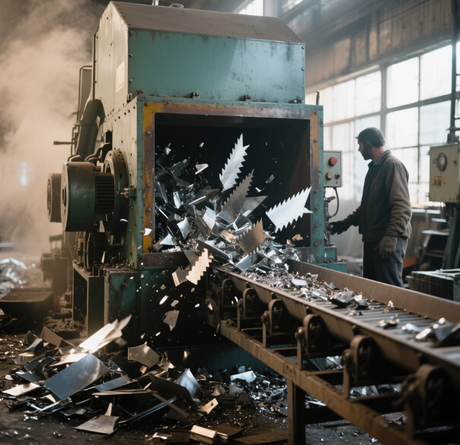
The double shaft shredder uses two parallel shafts that rotate in opposite directions. Each shaft is fitted with blades that tear the material into pieces. The two shafts working together create more power and torque, allowing the machine to handle tougher materials that a single shaft shredder might struggle with. Double shaft shredders are typically used for processing metals, tires, electronic waste, and dense plastics.
Materials are fed into the hopper, and the counter-rotating shafts grab and shred the material. The powerful torque generated by the two shafts makes this shredder ideal for handling materials that are difficult to process with single shaft machines.
Capable of shredding tough materials like metals and rubber.
Versatile and can handle a wide range of materials.
Provides more consistent shredding, reducing the risk of overloading.
More complex design, requiring more maintenance.
Higher energy consumption compared to single shaft shredders.
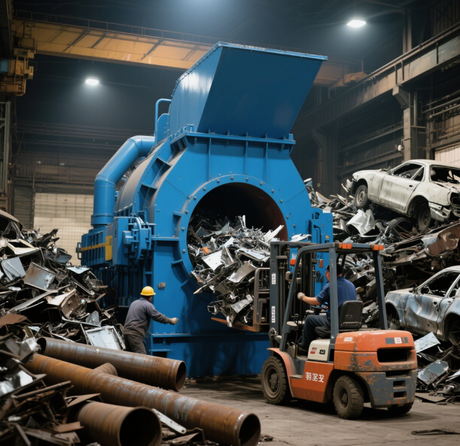
The four shaft shredder features four parallel rotating shafts, typically designed for more heavy-duty applications. These machines offer an even more powerful shredding action than double shaft machines and are used for very challenging materials such as scrap metal, electronic waste, and large wooden items.
The four shafts rotate in opposite directions, and the blades work together to tear and shred materials into smaller pieces. This shredder is often used when fine particle size and high efficiency are needed.
Produces very fine, uniform pieces ideal for specialized recycling needs.
High efficiency, capable of handling large volumes of tough materials.
Reduced particle size makes it suitable for certain industries that require specific output sizes.
Complex design leads to higher maintenance costs.
More expensive upfront cost due to the additional shafts and components.
Higher power consumption.
The hammer mill shredder operates by using a high-speed rotor with hammers that strike and crush materials. The hammers are mounted on the rotor, and as it spins, they hit the material at high speeds, breaking it down into smaller pieces. This type of shredder is suitable for processing materials like wood, paper, and plastics.
The rotor with mounted hammers rotates rapidly, striking the material and reducing it into smaller fragments. The material is then pushed through a screen that determines the size of the final output.
High-speed operation, making it suitable for processing large volumes quickly.
Versatile and can handle soft materials like paper and plastics, as well as some harder materials like wood.
Struggles with denser or tougher materials, such as metals or rubber.
The high-speed impact can cause significant wear on the hammers, requiring frequent maintenance.
Generates a lot of noise during operation.
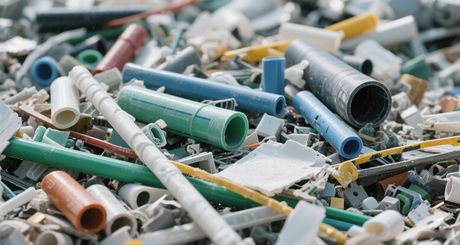
A granulator is a shredder that cuts materials into small, uniform granules. It is typically used in plastic recycling and rubber processing industries, where consistent particle size is essential. Granulators use rotating blades or cutting disks to chop materials into uniform pieces, making them ideal for recycling applications.
Granulators use rotating blades or cutting discs to slice materials into uniform pieces. The output size is controlled by the screen or grid placed at the bottom of the chamber.
Produces uniform output, which is ideal for further processing.
Energy-efficient compared to other shredders like hammer mills.
Ideal for recycling applications where precision is required.
Not suitable for shredding extremely tough or dense materials.
Higher upfront cost compared to simpler shredders.
May require frequent blade maintenance depending on the material being processed.
Vertical shredders are designed to process materials in a vertical orientation. They are typically more compact than horizontal shredders and are ideal for operations with limited space. This design makes them particularly effective for shredding paper, plastics, and small wood products.
The material is fed into the shredder from the top, where it is grabbed by rotating blades. The vertical design allows the machine to process materials effectively while occupying minimal floor space.
Compact design, saving valuable floor space in smaller operations.
Efficient for processing materials like paper, plastic, and light wood.
Lower energy consumption compared to larger, more complex shredders.
Not suitable for handling large or heavy materials.
Limited to specific materials and may not handle dense waste effectively.
The strip cut shredder cuts materials into long, thin strips. This type of shredder is most commonly used for shredding paper documents, especially in offices and businesses where confidentiality is important. The strips are long and can be reassembled more easily than particles shredded by other methods.
The material is fed into the shredder, where the rotating blades cut it into long, continuous strips. The width of the strips depends on the design of the shredder's blades.
Fast and efficient for shredding large volumes of paper.
Simple design, making it cost-effective.
Ideal for non-sensitive materials.
Not suitable for shredding sensitive or confidential documents, as the strips can potentially be reassembled.
Large output size compared to cross-cut or micro-cut shredders, making it less secure for confidential information.
A cross-cut shredder cuts materials in two directions, producing smaller, confetti-like pieces. This type of shredder is often used for sensitive document destruction and provides a higher level of security than a strip cut shredder.
The material is fed into the shredder, where rotating blades cut it both horizontally and vertically, resulting in small, irregularly shaped pieces.
Provides a higher level of security by producing smaller, harder-to-reassemble pieces.
Suitable for shredding confidential documents.
Generally faster than micro-cut shredders.
Slower than strip cut shredders for processing large volumes.
More expensive due to the additional cutting mechanism.
Shredders are invaluable tools in many industries, with different types serving various needs depending on the material being processed, the desired output, and the overall goals of the operation. From the simple and cost-effective single shaft shredders to the powerful and versatile double and four shaft shredders, each type has its strengths and weaknesses. Similarly, machines like hammer mills, granulators, and vertical shredders serve niche applications in industries like plastic recycling, rubber processing, and waste management.
When selecting a shredder, it's essential to consider the specific requirements of the task—whether it’s for shredding confidential documents, processing electronic waste, or reducing bulk material for recycling. Understanding the different types of shredders and their functions will help ensure you choose the right machine for your needs, improving efficiency and productivity in your operations.