Views: 0 Author: Site Editor Publish Time: 2026-08-20 Origin: Site
Motor rotor recycling offers incredible potential for recovering high-value copper and steel commodities. Unprepared rotors, however, are notorious for destroying crushing chambers and accelerating wear part consumption far beyond normal expectations. You cannot treat feed preparation as a mildly helpful optional step. It serves as a mandatory risk-mitigation strategy necessary to protect your heavy capital equipment from catastrophic damage. Dense composite materials demand strategic upfront handling to prevent constant, unpredictable machine breakdowns.
In this comprehensive guide, you will discover exactly why thorough feed preparation remains essential for your recycling line's success. We will thoroughly explore how proper upfront sorting, careful dismantling, and robust pre-shredding maximize continuous operational uptime. You will learn proven methods to significantly boost the return on investment of a dedicated Electric Motor Rotor Crusher while preserving optimal final commodity purity for downstream smelters.
Motor rotors represent one of the most challenging materials in the scrap recycling industry. They combine tightly wound copper wire, dense laminated steel cores, and solid central steel shafts. This creates an extremely heavy, composite material block. When you feed these dense chunks into standard equipment without prior processing, they generate severe, immediate shock loads. Standard machinery simply cannot absorb this immense kinetic energy over long shifts. The intense physical resistance creates massive stress on drive shafts, bearings, and rotor bodies. We often see unprepared stators and rotors causing immediate blockages, forcing the entire plant to halt operations while operators manually clear the jammed chamber.
The intense friction and impact force of unprocessed rotors accelerate wear on internal castings, discharge grates, and heavy hammers. Every time an oversized solid steel shaft strikes a spinning hammer, it micro-fractures the hardened metal surface. The economics of replacing these heavy consumable parts frequently can derail your operational budget. Adding an upfront pre-processing step costs money initially, but it saves you from crippling emergency maintenance bills and lost production hours later. Protecting the primary chamber extends the lifespan of expensive wear parts by hundreds of hours, ensuring a more predictable operational run rate.
Skipping feed preparation creates another serious metallurgical issue commonly known as "meatballing." This phenomenon happens when immense crushing forces physically fuse soft copper windings directly into the harder steel lumps. Meatballing severely degrades the final commodity value of both your ferrous and non-ferrous outputs. Buyers demand clean, distinct fractions. If your sorted steel contains trapped copper wire, smelters will penalize the load or reject it entirely due to copper contamination altering the steel's chemistry. Conversely, upfront preparation loosens the tight physical structure before heavy impact occurs. It ensures metals separate cleanly, yielding a premium-grade copper product and a highly marketable, clean steel shred.
To process material efficiently and safely, you must follow a structured preparation workflow. The precise stages below outline exactly what happens before raw scrap enters the main high-speed chamber. Ignoring these steps invites unnecessary mechanical failure.
How do you choose the right secondary processing machine? You must carefully match your specific feed size to the internal chamber geometry. You need to evaluate the physical throat opening and the machine's overall rotor mass based heavily on your incoming material characteristics. Feeding whole small units requires a vastly different internal configuration than feeding pre-shredded, uniform chunks. If the throat opening is too narrow, bridging occurs, halting production entirely.
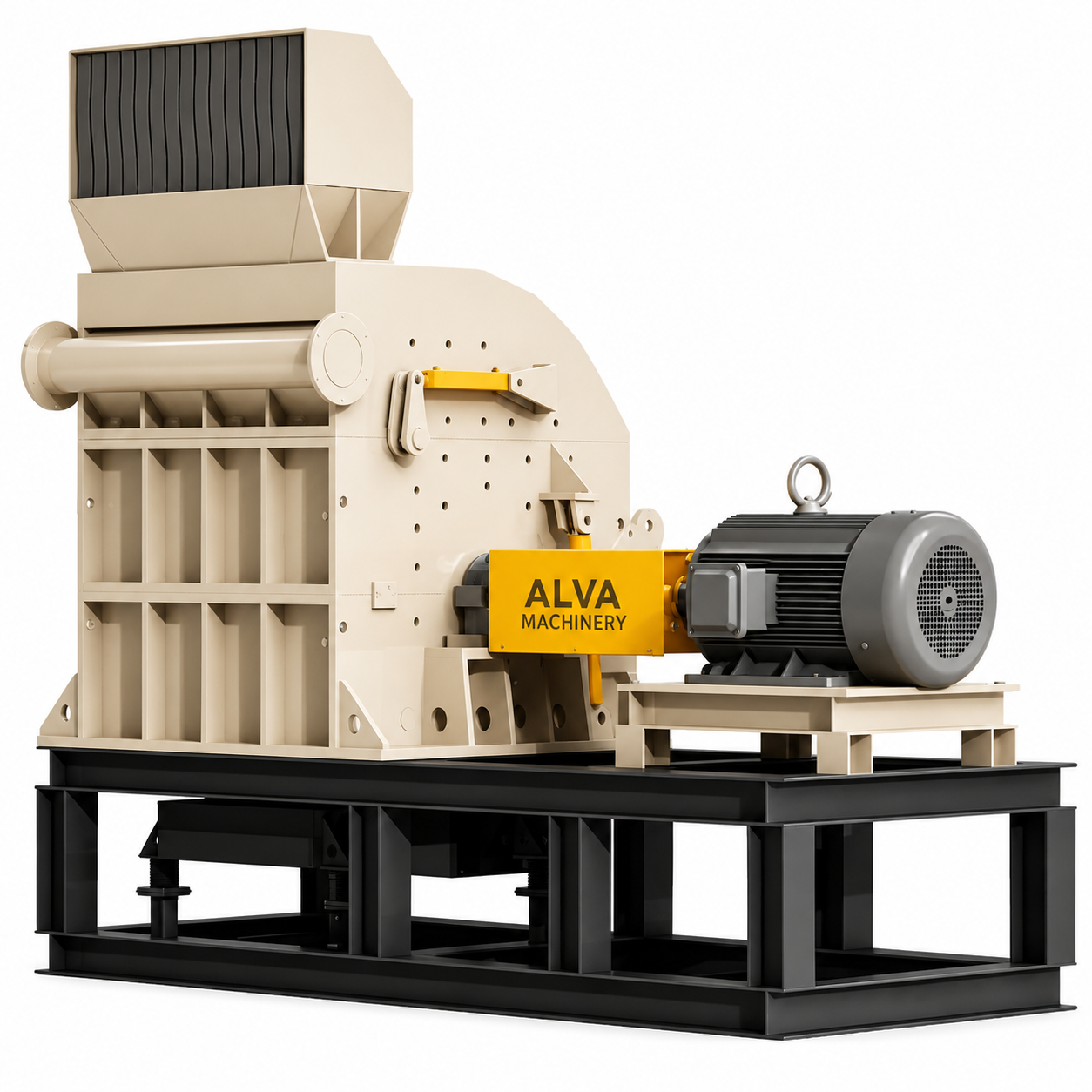
For initial breakdown stages, plant engineers typically evaluate a standard metal crusher utilizing a traditional horizontal impact design. Horizontal mills use gravity and swinging heavy hammers to shatter brittle cast iron housings rapidly. They excel at reducing the bulky exterior dimensions of scrap.
However, for the demanding secondary processing stage, the strategic approach shifts. Operators often rely on a specialized vertical metal crusher. Vertical mills excel at densifying steel laminations and cleanly liberating fine copper threads. They generally operate without bottom discharge grates. This design choice means dense, unbreakable materials do not get trapped and endlessly over-milled inside the chamber, reducing both heat build-up and excessive metal-on-metal wear.
Dealing with electronic scrap and industrial motors means you will inevitably encounter unpredictable tramp metal. You must thoroughly assess automatic relief systems and fluid couplings on the drive shafts. Hydraulic chamber opening features remain absolutely critical for processing unpredictable e-scrap feeds. These mechanisms allow rapid, safe clearing of blockages when a massive, unbreakable solid steel shaft accidentally slips past your manual sorters and jams the rotor.
Operating high-speed recycling machinery introduces significant physical risks that require robust engineering solutions. Dense rotors generate immense friction during the continuous impact process. Localized melting represents a very serious operational hazard. If your system frequently acts as an aluminum scrap crusher handling mixed motor streams, the lower melting point of aluminum creates a sticky, problematic mess inside the mill. The melted aluminum coats the hammers and walls, throwing the rotor out of balance. You must implement continuous temperature monitoring sensors or active water injection systems to safely control this extreme heat generation.
Environmental compliance dictates your facility's safety design. Pre-crushing highly wound stators forcibly releases trapped varnishes, dried industrial resins, and massive plumes of combustible fine dust. You need proper, compliant integration of cyclone dust collectors and active fire suppression systems. A single stray spark hitting a cloud of dry resin dust can ignite instantly, causing severe damage and safety hazards.
You must also establish realistic maintenance downtime assumptions before finalizing your business model. Processing high-abrasion, dense feeds guarantees heavy wear on the internal impact liners and swinging hammers. A heavy-duty scrap steel crusher will wear predictably if you strictly adhere to the front-end preparation guidelines discussed earlier. Bypassing those guidelines will destroy your consumable parts in a fraction of their intended lifespan, driving up operational expenses exponentially.
Operational Risk Profile and Mitigation Strategies
| Risk Factor | Cause in Motor Processing | Recommended Mitigation Strategy |
|---|---|---|
| Excessive Heat Generation | Friction from dense steel and aluminum friction. | Install water injection cooling; monitor internal chamber temps. |
| Combustible Dust Fires | Shattering dried resins and varnishes from old windings. | Implement ATEX-certified dust cyclones and spark detection. |
| Catastrophic Jamming | Unshreddable solid steel shafts entering the primary chamber. | Utilize fluid couplings and hydraulic chamber release mechanisms. |
| Premature Hammer Wear | Direct impact on thick, unprocessed cast iron motor housings. | Pre-shred material or use hydraulic guillotines for dismantling. |
When it comes time to shortlist machinery vendors, buyers often make the mistake of looking solely at theoretical maximums on a brochure. You should ignore those idealized numbers. Define your system capacity constraints by calculating the actual throughput (in tons per hour) based strictly on your prepared feed. Real-world processing rates with tangled copper and laminated steel will always differ significantly from ideal factory test conditions using uniform scrap.
You must demand custom material testing. Do not rely on generic specification sheets provided by sales representatives. Send potential vendors a large, representative sample of your specific regional motor scrap. Ask them to run it through their demonstration facility while you observe. Different geographic regions and industries produce varying grades of industrial motors, which heavily influence the necessary hammer weight, grate size, and motor horsepower required for successful processing.
Finally, assess integration scalability thoroughly. Ensure your chosen mill integrates cleanly into your existing downstream sorting lines. The liberated material leaving the chamber must flow smoothly onto your vibrating screens, drum magnets, and eddy-current separation lines. A severe bottleneck here completely defeats the purpose of an optimized primary breakdown phase.
Common Sourcing Mistakes to Avoid:
Your dedicated rotor processing line remains only as profitable as its upstream preparation process allows it to be. Throwing whole, unprepared industrial motors into a high-speed chamber guarantees equipment failure, extensive downtime, and degraded commodity purity. We strongly advise you to allocate your capital strategically across the entire workflow. Do not just buy the heaviest primary machine available and hope for the best. Instead, build a balanced, multi-stage processing line featuring robust manual sorting, mechanical dismantling, and high-torque pre-shredding stations. Audit your current incoming scrap feed today to identify immediate improvement areas. Contact experienced process engineers to arrange localized material tests and start designing a smarter, safer recycling operation.
A: Technically yes for very small fractional horsepower rotors, but it remains highly inefficient. Industrial rotors will severely damage standard hammermills without prior shaft removal or pre-shredding. The immense density of intact motors causes catastrophic jams, destroys grate systems, and prematurely fractures internal wear parts, drastically increasing your operational downtime.
A: Proper pre-shredding mechanically loosens the tight steel laminations. This crucial step allows the primary chamber to liberate the inner copper cleanly upon impact, rather than hammering the soft copper aggressively into the surrounding steel. Preventing this fusion significantly increases your non-ferrous recovery purity and commands a higher market premium.
A: While the mechanical preparation steps—such as sorting, casing cracking, and pre-shredding—remain very similar, operators must batch them entirely separately prior to feeding. Mixing these streams inevitably cross-contaminates high-value copper recovery lines with lower-value aluminum fractions, degrading the metallurgical purity and reducing the final sale price of the non-ferrous commodities.