Views: 0 Author: Site Editor Publish Time: 2025-11-05 Origin: Site
A double shaft shredder is a robust and versatile machine commonly used in various industries for shredding and recycling materials. Its primary function is to break down large, bulky items into smaller, manageable pieces. This type of shredder utilizes two parallel shafts that rotate in opposite directions, making it highly efficient in dealing with tough, dense materials. Double shaft shredders are particularly popular in the recycling industry, as they can handle a wide range of materials, including plastics, metals, rubber, wood, and even electronic waste.
This article will explore the key components, working principles, advantages, and various applications of double shaft shredders. We’ll also look at how they compare to other shredding technologies and why they are considered essential tools in waste management and recycling.
Before understanding how a double shaft shredder works, it's important to familiarize yourself with its key components. These elements work together to ensure the shredder performs efficiently and can handle various types of materials. Here are the major components of a typical double shaft shredder:
The most critical part of any shredder is its blades. A double shaft shredder uses two large, counter-rotating shafts equipped with interchangeable blades. These blades are designed to grab and tear through the material being processed. The shape, size, and material of the blades can vary depending on the type of waste being shredded. The teeth of the blades are strategically arranged to increase efficiency and ensure even shredding.
The shafts are the heart of the shredder. In a double shaft shredder, there are two parallel shafts that rotate in opposite directions. These shafts are typically made from high-strength steel to withstand the stress of shredding tough materials. The shafts work together with the blades to provide the necessary force to shred materials into smaller pieces.
The motor powers the shredder and drives the rotation of the shafts. Motors in double shaft shredders are usually high-torque motors designed to handle heavy loads and provide sufficient power for shredding tough materials. The size of the motor will depend on the machine’s size and intended purpose, with larger machines requiring more powerful motors.
Many double shaft shredders feature a hydraulic drive system that assists in maintaining constant pressure on the materials during shredding. This system helps to ensure that the shredder operates smoothly, even when processing dense or difficult materials. The hydraulic system can also allow for adjustable pressure to optimize shredding efficiency.
The feed hopper is where materials are loaded into the shredder. It is typically designed to be wide and deep enough to accommodate large volumes of material, allowing for continuous feeding. Some double shaft shredders come with automated systems that feed material into the hopper, while others require manual loading.
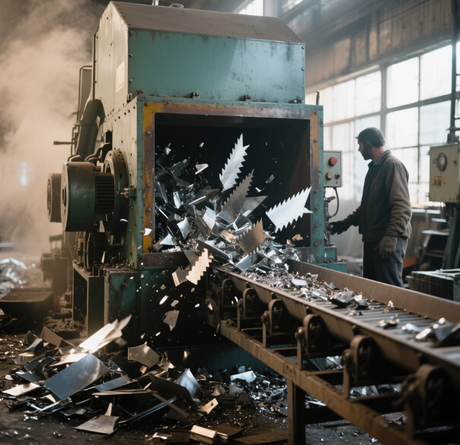
Once the material has been shredded, it is often carried away by a discharge conveyor. This conveyor moves the shredded material from the machine and into a collection bin or further processing system. The discharge system can be customized based on the required output size and the type of material being shredded.
The frame and body of the shredder house all of the components and provide the necessary support to handle the heavy-duty shredding process. These parts are generally made from heavy-duty steel to ensure the machine remains stable during operation and can withstand the constant vibrations produced by the two rotating shafts.
The operation of a double shaft shredder is relatively simple, but it relies on powerful forces and precise movements to ensure effective shredding. Here's how the process works:
Feeding the Material: The first step is loading the material into the feed hopper. Materials can range from plastics and rubber to metals, wood, and electronic waste. The material is generally loaded either manually or through automated feeding systems.
Grabbing and Shredding: Once the material enters the shredder, the two counter-rotating shafts start to rotate. As the shafts rotate in opposite directions, the blades mounted on each shaft grab and pull the material into the shredder. The blades exert a strong force on the material, which causes it to break down into smaller pieces.
Cutting and Tearing: The blades on the shafts cut, tear, and shred the material into smaller and smaller pieces. The speed and pressure at which the shafts rotate, combined with the sharpness and design of the blades, determine the size of the final shredded material. The gap between the rotating shafts can be adjusted to control the size of the output.
Discharge of Shredded Material: Once the material has been sufficiently shredded, it is discharged through the bottom of the machine, usually onto a discharge conveyor that carries it away to a collection bin, sorting system, or further processing stages.
Double shaft shredders offer several advantages over other types of shredding machines, making them ideal for a wide range of applications. Some of the key benefits include:
Double shaft shredders are highly versatile and can handle a wide variety of materials, including plastic, rubber, paper, metal, textiles, wood, and even electronic waste. This versatility makes them suitable for industries such as recycling, waste management, and manufacturing.
The dual-shaft design increases the efficiency of the shredding process. With two parallel shafts rotating in opposite directions, these machines can exert a higher level of force on materials, enabling them to shred even the toughest substances. The machine’s ability to handle large volumes of material at a time further enhances its efficiency.
Compared to other types of shredders, double shaft shredders tend to have lower operating costs. This is because they consume less energy while still delivering high levels of performance. The hydraulic drive systems and motors are optimized for energy efficiency, allowing for continuous operation without consuming excessive power.
Double shaft shredders are designed with safety in mind. Many models feature automatic overload protection, which ensures that the machine does not become damaged if too much material is fed into it. In addition, the robust construction of the shredder prevents accidental injuries during operation. Some models also come with screening systems that ensure any hazardous material is caught before it leaves the machine.
Due to the balanced nature of the dual-shaft design, double shaft shredders tend to produce less noise and vibration compared to single-shaft shredders. This can be particularly beneficial in environments where noise levels need to be minimized, such as recycling plants or industrial settings.
Double shaft shredders are used across various industries for many different purposes. Their ability to process a wide range of materials and their efficiency in high-volume production make them valuable assets in the following areas:
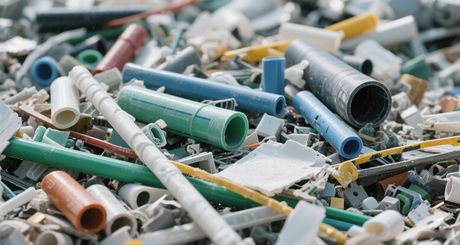
One of the primary uses of double shaft shredders is in plastic recycling. They are used to break down large plastic waste items, such as bottles, containers, and industrial plastic scraps, into smaller pieces for further processing. By shredding these items, manufacturers can reuse the plastic for new products, reducing waste and promoting sustainability.
Electronic waste (e-waste), including computers, mobile phones, and household appliances, often contains a combination of plastic, metal, and glass. Double shaft shredders can easily process this mixed material, breaking it down into small parts that can be sorted and recycled. E-waste recycling helps reduce the environmental impact of discarded electronics while recovering valuable materials such as gold, silver, and copper.
Double shaft shredders are commonly used in wood processing applications, where they shred wooden pallets, furniture, and scrap wood. These shredded materials can then be used for various purposes, including the production of wood chips for biomass energy or the manufacture of particleboard and other wood-based products.
In industries such as tire recycling, double shaft shredders are used to break down rubber materials like tires and rubber-based products. Shredding rubber helps in reducing landfill waste and allows for the rubber to be repurposed in products such as rubber mulch, flooring, or recycled rubber mats.
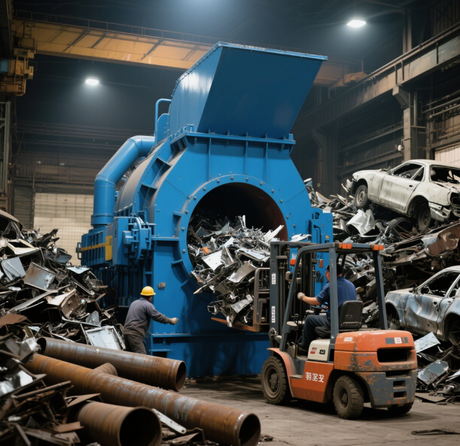
Double shaft shredders can also be used to process metals, such as aluminum and steel, that have been discarded from manufacturing processes or products at the end of their life cycle. The shredding process breaks down these metals into smaller, more manageable pieces for further processing and recycling.
Double shaft shredders are incredibly versatile, efficient, and essential machines for modern recycling and waste management. Their ability to process a wide range of materials makes them indispensable in industries such as plastic recycling, e-waste management, wood processing, rubber recycling, and metal recovery. By offering consistent performance, increased efficiency, and reduced operating costs, double shaft shredders play a crucial role in promoting sustainability and reducing the environmental impact of waste materials.
Whether in industrial plants, recycling centers, or manufacturing facilities, these machines are vital for transforming waste into reusable materials, thereby contributing to the circular economy.