Views: 0 Author: Site Editor Publish Time: 2025-09-18 Origin: Site
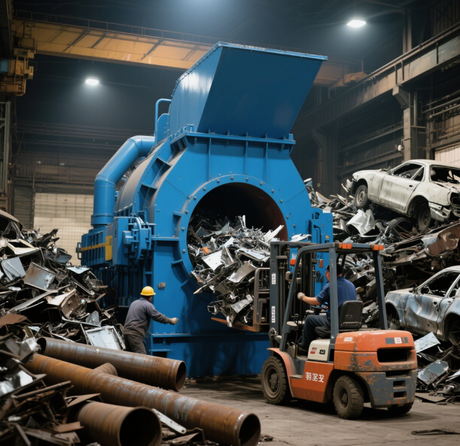
A double shaft shredder uses two powerful shafts to break down tough waste materials. You will see this machine in recycling centers and waste management facilities because it handles heavy loads with ease. The double-shaft shredder features a strong frame and two rotating blades that tear through different items. Common materials you can process include:
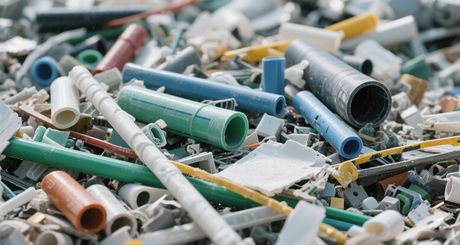
Plastic waste
Rubber and tires
Wood and timber
Metals and scrap metal
Electronic waste
Food waste
Paper and cardboard
This shredder makes it easier to recycle or dispose of bulky or hard materials.
Double shaft shredders use two powerful shafts to efficiently break down tough materials like plastics, metals, and wood.
Regular maintenance, including blade inspections and cleaning, is crucial for optimal performance and safety.
These shredders operate at low speeds with high torque, reducing heat and dust while enhancing energy efficiency.
Safety features such as overload protection and emergency stops make double shaft shredders safer to operate.
Choosing the right blade material and shredder type based on your specific needs maximizes efficiency and lifespan.
You will find that a double-shaft shredder stands out because of its dual-shaft design and robust construction. This machine uses two parallel shafts, each fitted with sharp blades, to tear and crush materials. The dual-shaft shredders work together to grip, pull, and shear tough items. You can rely on this design for heavy-duty tasks in recycling and waste management. Unlike single shaft shredders, dual-shaft shredders prevent material wraparound and clogging, which means you get higher throughput and more efficient operation. These machines handle large volumes and produce consistent, fine results, making them ideal for industrial use.
Tip: Dual-shaft shredders operate at low speeds with high torque. This reduces the risk of clogging and lowers maintenance needs.
When you look at the main components of dual-shaft shredders, you see how each part plays a vital role in the shredding process. The key components include:
Shafts:
Dual-shaft shredders use two strong shafts. These shafts often measure up to 2000mm in length and 700mm in diameter. They deliver torque up to 100,000Nm per shaft, which gives you the power to shred even the toughest materials.
Blades:
The blades on each shaft come in different sizes and materials. You can find blade diameters from 200mm to 500mm and thicknesses from 20mm to 50mm. The inner hole shape is usually hexagon, but you can customize it. Blade materials vary by application:
Blade Type | Material Examples | Application Suitability |
|---|---|---|
Alloy Steel | 9CrSi, Cr12MoV | General applications with good wear resistance. |
Tool Steel | D2, SKD-11 | Tougher materials like metals or high-strength plastics. |
Carbide-tipped Blades | N/A | Extremely abrasive or hard materials, more expensive. |
In the plastic industry, you often see 42CrMo, W5SiCr, and SKD-11. For metals, 6CrW2Si, Cr12Mov, LD, and H13 are common. Wood shredding uses 5WSiCr, 6CrW2Si, SKH, SKD-11, and D2.
Motors:
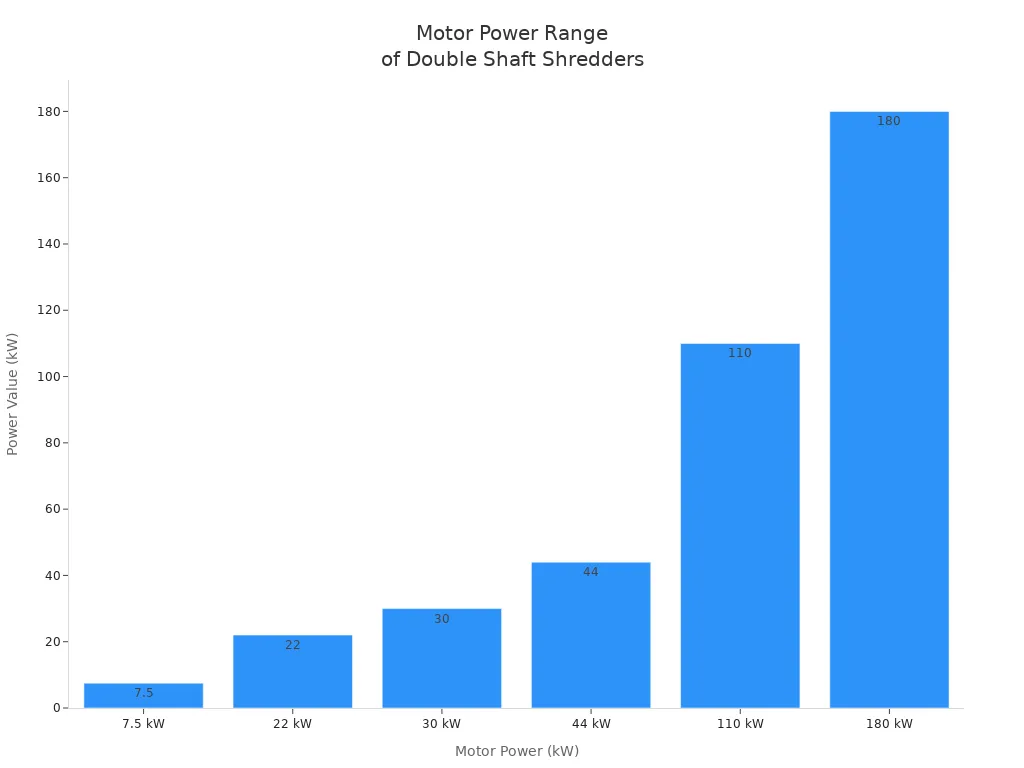
Dual-shaft shredders use powerful motors to drive the shafts. You can see motor power ranging from 7.5 kW to 90×2 kW in industrial models. This wide range lets you choose the right shredder for your needs.
Frame:
The frame supports all the key components. It must be strong to handle the force of shredding. The shredding chamber body can be deconstructed from each end of the coupling, and you can detach the main shaft by removing the mounting plate at each bearing end.
Other Specifications:
Specification | Value |
|---|---|
Hopper Size | 1500 × 2800 mm |
Engine Horsepower | 210 HP |
Rotor Diameter | 680mm |
Rotor Length | 1550mm |
You will notice several features that make dual-shaft shredders effective and reliable:
Counter-Rotating Blades:
The blades on each shaft rotate in opposite directions. This creates strong tearing and squeezing forces, breaking down tough materials into smaller, uniform pieces. The counter-rotating action ensures efficient processing and helps control the output size for further recycling steps.
Two Motors:
Many dual-shaft shredders use two motors, one for each shaft. This setup gives you more power and better control, especially when handling hard or bulky materials.
High Torque, Low Speed:
Dual-shaft shredders operate at low speeds but deliver high torque. This combination reduces heat and dust, making the process safer and more energy-efficient.
Versatility:
You can use a double-shaft shredder for plastics, metals, wood, textiles, and more. The robust design lets you process a wide range of materials without frequent jams or breakdowns.
Improved Safety:
These machines include safety features to protect you during operation. The design minimizes the risk of accidents and makes maintenance easier.
Here is a quick comparison of the advantages of dual-shaft shredders:
Advantage | Description |
|---|---|
Enhanced Power | The dual shafts provide significant force, making it easier to shred difficult materials. |
Versatility | Capable of shredding a variety of materials, including plastics, metals, wood, and textiles. |
Improved Safety | These machines are designed with safety features that protect operators during use. |
Note: The synchronized shearing action of dual-shaft shredders ensures a controlled breakdown of materials. This means you spend less time on maintenance and get more consistent results.
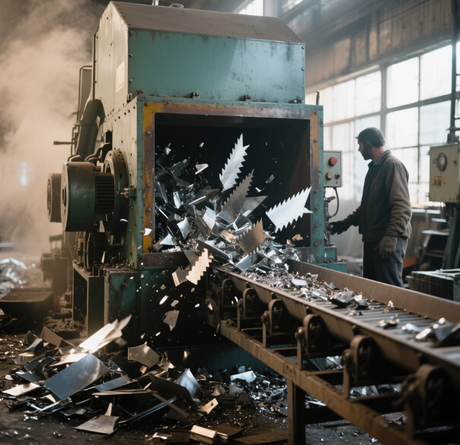
When you operate a double-shaft shredder, you see two shafts rotating in opposite directions. Each shaft has a series of sharp blades that grip, pull, and tear materials apart. The working process of dual-shaft shredders relies on this counter-rotating action. As you feed waste into the shredder, the blades catch and shear the material. This shearing and crushing mechanism allows you to break down tough items like tires, metal scraps, and bulky plastics with ease.
The dual-shaft shredders use a combination of tearing and cutting. The two shafts can tear and cut materials at the same time, which boosts processing efficiency. You will notice that this design works well for complex and fibrous waste. The dual-roller system quickly reduces large pieces into smaller, manageable fragments. This controlled shredding process helps you achieve consistent particle sizes, which is important for recycling and further processing.
Tip: The double shaft shredder applies significant torque at low speeds. This prevents jamming and reduces wear, so you get a uniform and reliable shredding performance.
The arrangement of blades in dual-shaft shredders plays a key role in the shredding process. You will find that the blades are staggered along each shaft. This staggered design lets the blades grip and tear materials from different angles, making the working process of dual-shaft shredders more effective. The geometry and orientation of the blades directly impact shredding efficiency. When you use a shredder with well-designed blades, you get faster throughput and better shredding performance.
Here is a table that shows what makes an effective blade arrangement:
Aspect | Description |
|---|---|
Blade Design | Flat blades with sharp edges break down objects into smaller pieces. |
Number of Blades | More blades improve shredding performance and speed. |
Sharpness | Sharper blades cut more efficiently and last longer. |
Material | High carbon steel or alloy steel offers durability and wear resistance. |
Advanced Coatings | Special coatings can extend blade life and improve performance. |
You should check the sharpness and condition of the blades regularly. Dull or damaged blades reduce shredding performance and can cause uneven particle sizes. The right blade arrangement ensures that your dual-shaft shredders work smoothly and handle a wide range of materials.
Power and torque are the driving forces behind dual-shaft shredders. These machines use powerful motors to turn the shafts at low speeds but with high torque. This setup gives you several advantages. First, the high torque output lets you shred tough and bulky materials, such as tires and mixed waste streams, without slowing down. Dual-shaft shredders provide greater torque than single shaft models, so you can handle challenging materials with confidence.
The low-speed, high-torque operation also brings other benefits. You will notice less heat and dust during the shredding process. This makes the shredder safer to use and better for recycling environments. Reduced dust means cleaner air and less mess in your facility. The quiet operation also helps lower noise levels, which is important for worker comfort and safety.
Low-speed, high-torque operation minimizes heat generation.
Reduced dust production makes dual-shaft shredders ideal for recycling.
The design supports noise reduction and low emissions.
When you choose a double-shaft shredder, you get a machine that combines power, efficiency, and safety. The shredding performance stays high, even with difficult materials. You can rely on dual-shaft shredders for consistent results and a smooth shredding process every time.
You need to keep the blades of your double shaft shredder in top condition to ensure efficient operation. Regular inspection helps you spot dullness or damage early. When you notice blades losing their sharpness, sharpen or replace them right away. This keeps your shredder working smoothly and prevents uneven shredding. Common causes of blade wear include handling hard materials for long periods, improper material selection, lack of maintenance, and incorrect installation. You should clean the blades after each use to remove debris. Routine maintenance extends blade life and helps you avoid costly repairs.
Tip: Check blade wear often and replace worn blades promptly. This simple habit maintains shredding efficiency and reduces downtime.
Inspect blades for sharpness and damage regularly.
Sharpen or replace dull blades quickly.
Clean blades after each use.
Choose the right blade material for your application.
Install blades correctly to prevent premature wear.
Modern double-shaft shredders come with advanced safety features that protect you during operation. These machines use overload protection to shut down automatically if overloaded, preventing motor damage. Emergency stop buttons let you halt the shredder instantly in case of an emergency. Foreign object protection detects unshreddable items and stops the machine, reducing the risk of jams or damage. Ergonomic designs make maintenance safer and more comfortable. You also benefit from protective covers that prevent exposure to moving parts and proactive diagnostic controls that minimize manual intervention.
Safety Feature | Description |
|---|---|
Overload Protection | Automatically shuts down the shredder if overloaded, preventing motor damage or malfunction. |
Emergency Stop | Easily accessible button to quickly halt the machine in emergencies, reducing injury risk. |
Foreign Object Protection | Mechanisms that auto-stop the shredder and eject material when unshreddable items are detected. |
Ergonomic Designs | Ensures safe and comfortable maintenance, reducing injury risk. |
⚠️ Advanced detection systems, such as UV, infrared, and heat sensors, help prevent fires and keep your workspace safe.
You control your double-shaft shredder using a user-friendly panel that makes operation simple. Automated controls help you run the shredder efficiently and safely. Features like auto reversal protect the machine from overfeeding and damage. Custom in-feed hoppers let you tailor the shredder to your specific needs. Automated monitoring and load sensing ensure reliable operation and prevent overloads. Emergency stop functions provide immediate safety measures if needed.
User Control Feature | Description |
|---|---|
User-Friendly Control Panel | Intuitive interface for easy operation and monitoring of the shredding process. |
Automated Controls | Advanced features for ease of use and energy-efficient operation modes. |
Auto Reversal | PLC-driven controls prevent overfeeding and protect against damage. |
Custom in-feed hoppers | Tailored to specific operational requirements. |
Automated monitoring and emergency stop functions give you peace of mind and help you maintain a safe working environment.
You can use a double-shaft shredder to handle a wide variety of materials. This machine works well in the waste recycling industry because it processes items that are difficult to break down. You will see these shredders working with:
Plastics: Bottles, containers, packaging film, PVC piping
Wood: Pallets, furniture, offcuts, tree limbs, stumps
Paper & Cardboard: Office paper, cartons, corrugated boxes
Metals: Aluminum cans, metal drums, thin sheets
Rubber: Tires, conveyor belts, rubber scraps
E-waste: Computers, phones, printers, electronics
Textiles: Clothing, fabric waste, carpets
Organic Waste: Straw, green waste, crop residues, biomass
The type of material you process affects the shredder’s performance and lifespan. High-quality blades last longer and reduce the need for replacements. Superior shredding power helps you work efficiently with tough materials.
Aspect | Impact on Performance and Lifespan |
|---|---|
Blade Material | Affects wear resistance and durability |
Design Techniques | Influences efficiency and service life |
Operating Environment | Determines the suitability of material selection |
Tip: You should choose the right blade material for your application to maximize efficiency and minimize wear.
You will find double-shaft shredders in many industries. The waste recycling industry relies on these machines to process large volumes of waste. Municipal waste management agencies use shredders for household waste and construction debris. Agricultural businesses process organic waste for composting and biomass. The construction and demolition industry manages wood, concrete, and other materials with shredders.
Industry | Application Description |
|---|---|
Municipal Waste Management | Processes mixed waste streams, reduces landfill dependency, supports circular economy |
Industrial Recycling | Handles various recyclable materials efficiently |
Automotive | Manages automotive waste and parts for recycling |
Electronics | Processes electronic waste for safe disposal and recycling |
Agriculture | Shreds organic waste for composting and biomass production |
Construction | Breaks down demolition debris into reusable materials |
Many industries depend on shredders to reduce waste volume and recover valuable materials.
You help the environment when you use a double-shaft shredder. These machines reduce the volume of waste, which lowers the demand for landfill space. You also decrease carbon emissions from waste transportation. Shredders allow you to recover reusable materials, which supports recycling and waste reduction. The robust design lets you process diverse materials, helping contractors and recyclers minimize disposal volumes. By reducing the size of waste, you prolong the operational lifespan of landfills and support a cleaner environment.
Using shredders in the waste recycling industry makes a positive impact on sustainability and resource conservation.
Double shaft shredders give you robust performance for heavy-duty recycling and waste management. You benefit from two rotating shafts that handle tough materials efficiently. Regular maintenance keeps your shredder safe and extends its lifespan.
Maintenance Benefit | Explanation |
|---|---|
Early Detection of Wear | Inspections help you fix problems before they grow. |
Enhanced Safety | Well-maintained shredders lower accident risks. |
When you choose a double shaft shredder, consider your material type, capacity, and energy use for the best results.
You can process plastics, metals, wood, rubber, e-waste, textiles, and even organic waste. Double Shaft Shredders handle bulky and tough materials that single shaft shredders cannot manage.
You should inspect and clean your Double Shaft Shredder after each use. Replace or sharpen blades when you notice wear. Regular maintenance keeps your shredder efficient and safe.
Yes, modern Double Shaft Shredders include safety features like overload protection, emergency stops, and protective covers. Always follow the manufacturer’s instructions for safe operation.
Consider the types of materials you need to shred, the required capacity, and your available space. Check the motor power and blade material. Contact a supplier for expert advice.