|
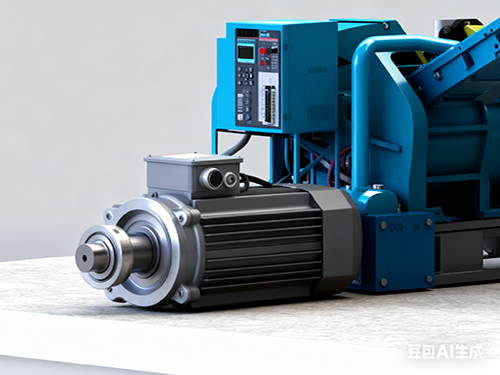
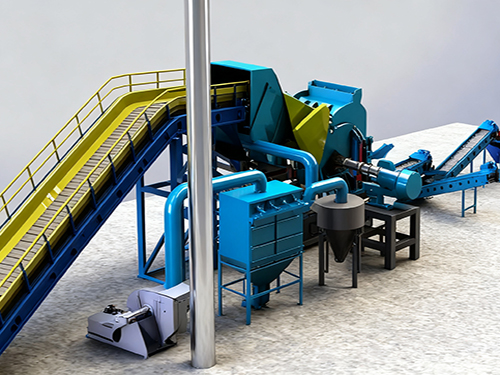
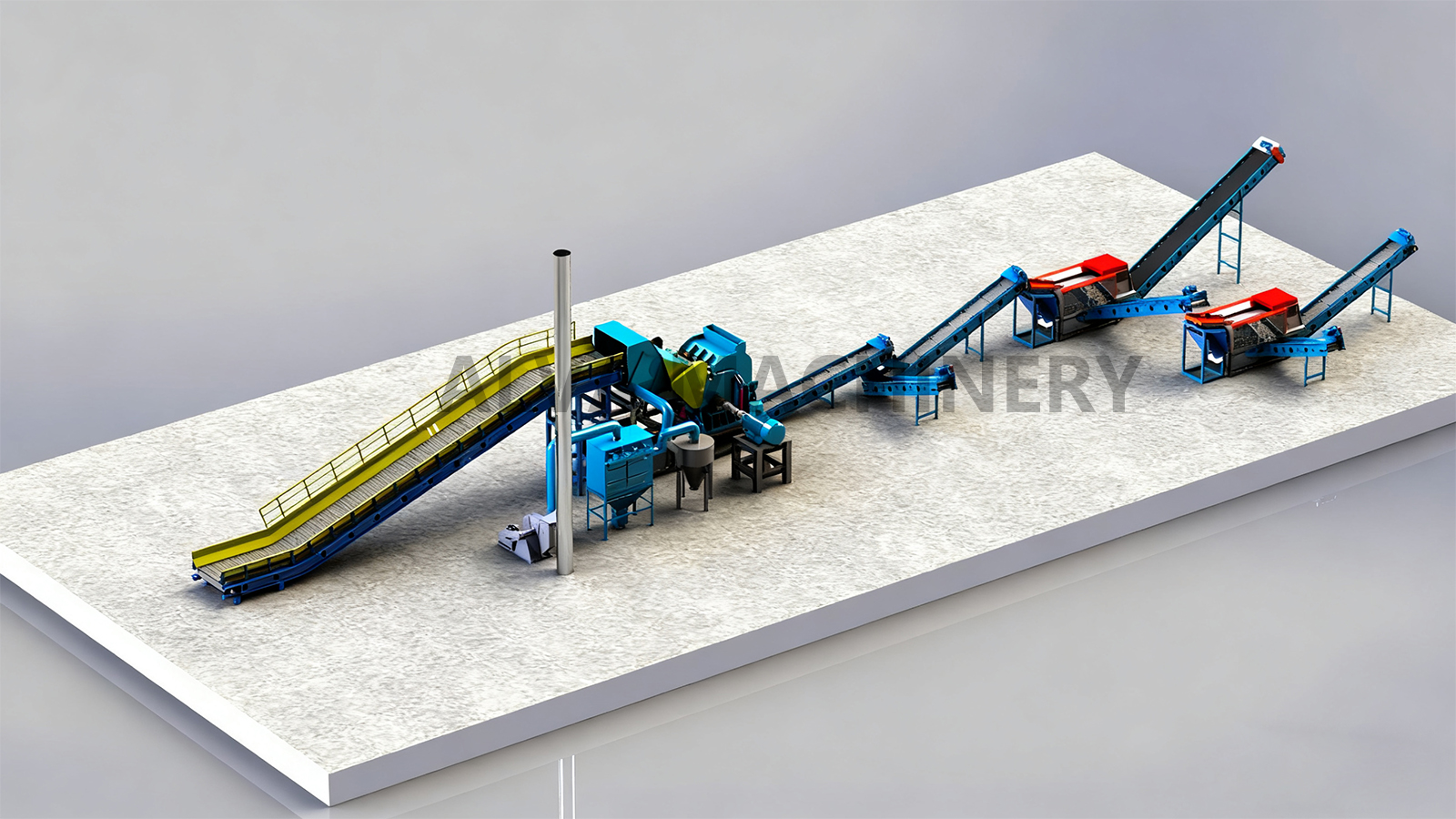
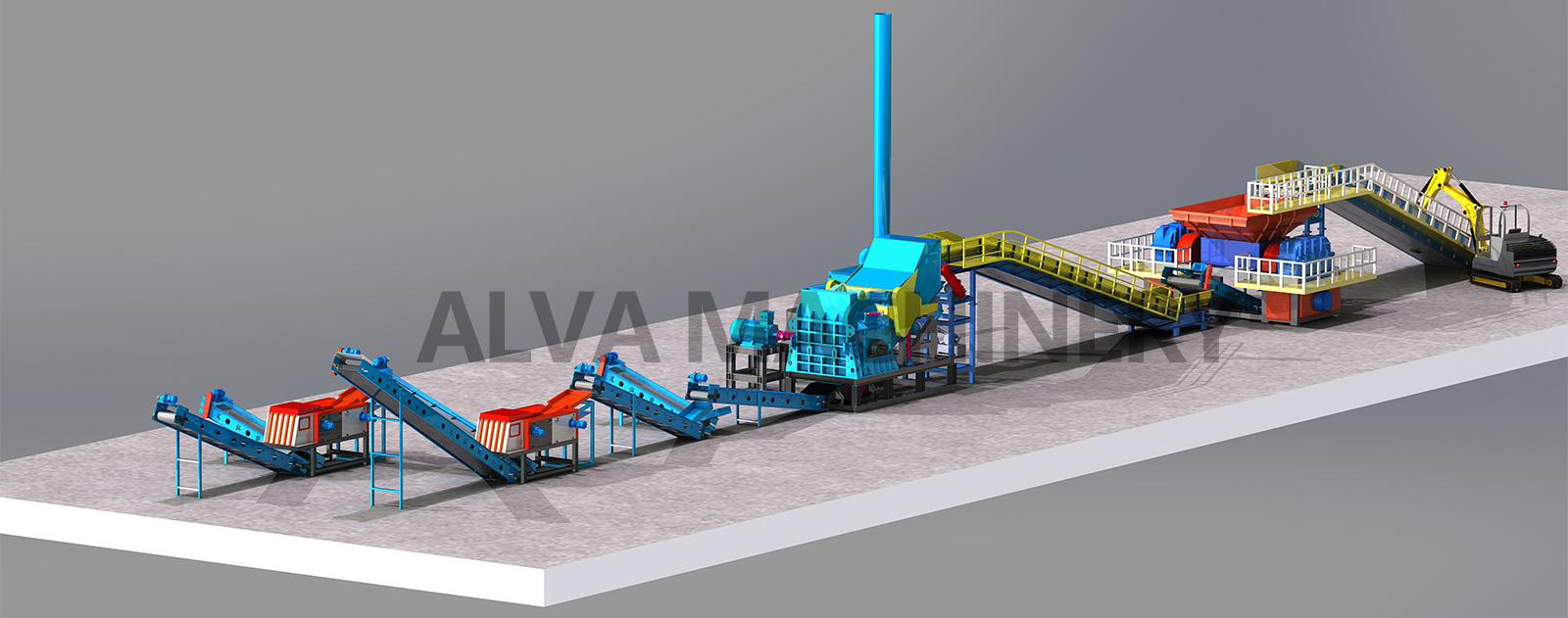
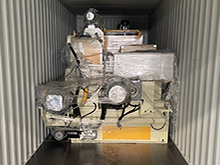
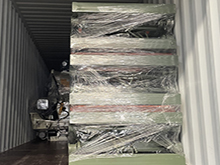
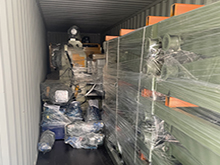
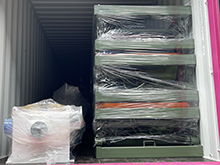
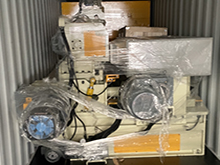
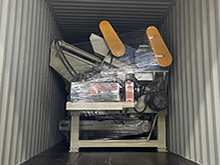
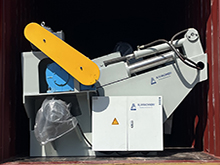
The 630 metal shredder is designed for large-scale crushing applications and is suitable for the batch crushing needs of large-scale scrap steel processing bases and scrapped vehicle dismantling centers. It can efficiently process ultra-heavy metal materials such as entire vehicle frames, large steel structures, and thick-walled pressure vessels. Equipped with a 110-160kW dual-motor drive system and an inlet size of 800×900mm, it has a crushing capacity of 10-15 tons per hour. Its "tapered" crushing chamber design and 20 sets of high-wear-resistant alloy hammers can easily crush steel plates up to 20mm thick and steel pipes up to 300mm in diameter. Equipped with a hydraulic pusher and an intelligent monitoring system, the machine monitors chamber pressure and motor load in real time, automatically adjusting the feed rate. Combined with a heavy-duty crawler-type discharge conveyor, it achieves integrated crushing and conveying operations, significantly improving production efficiency.


| Model | Feed Size (mm) | Production Capacity | Energy Consumption | Energy Consumption | Load Bearing | External Dimensions | External Dimensions | External Dimensions | External Dimensions |
| Monolithic Output (th) | Fan Motor Power (kW) | Distribution Transformer Requirements (kVA) | Weight (kg) | Length (L, m) | Width (W, m) | Height (H, m) | Floor Area (㎡) | ||
| ALVA-MCM-75 | 900 | 1 | 75 | 125 | 5 | 4 | 3.7 | 3 | 12 |
| ALWA-MOM-110 | 1000 | 1.5 | 110 | 160 | 11 | 4 | 4 | 3.5 | 96 |
| ALWA-MOM-132 | 1260 | 2 | 132 | 200 | 16 | 4.5 | 4.8 | 3.5 | 140 |
| ALMW-MOM-160 | 1460 | 3-4 | 160 | 250 | 26 | 5 | 4.9 | 3.5 | 160 |
| ALVA-MCM-200 | 1500 | 4-5 | 200 | 315 | 35 | 6 | 4.9 | 3.5 | 250 |
| ALVA-MCM-315 | 1600 | 6-7 | 315 | 500 | 40 | 6 | 4.9 | 3.5 | 250 |
| ALVA-MCM-450 | 1600 | 8-9 | 450 | 630 | 55 | 7 | 4.9 | 4 | 300 |
| ALVA-MCM-630 | 1800 | 10-11 | 630 | 10,000 | 75 | 7.5 | 6 | 4 | 400 |
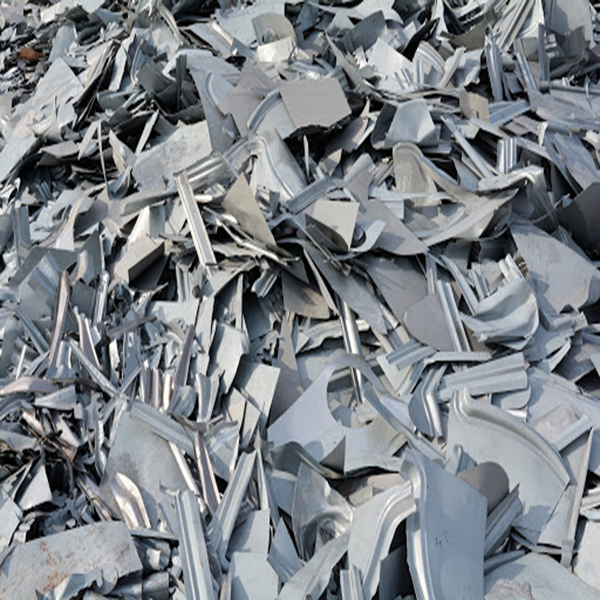
Scrap Metal
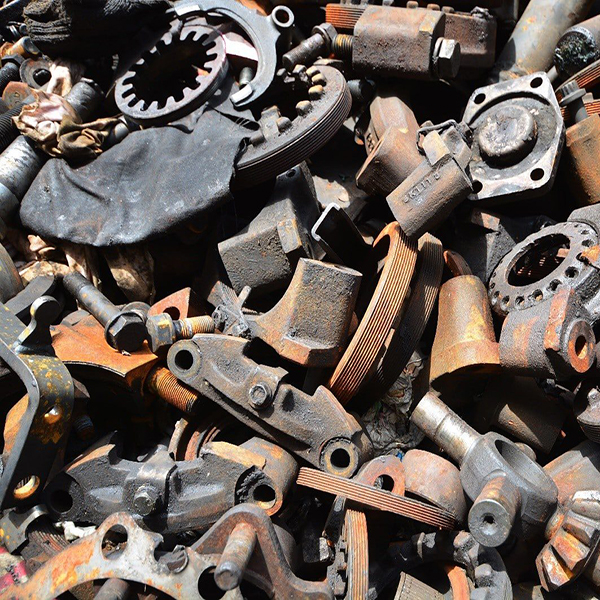
Scrap Iron
Scrap Copper
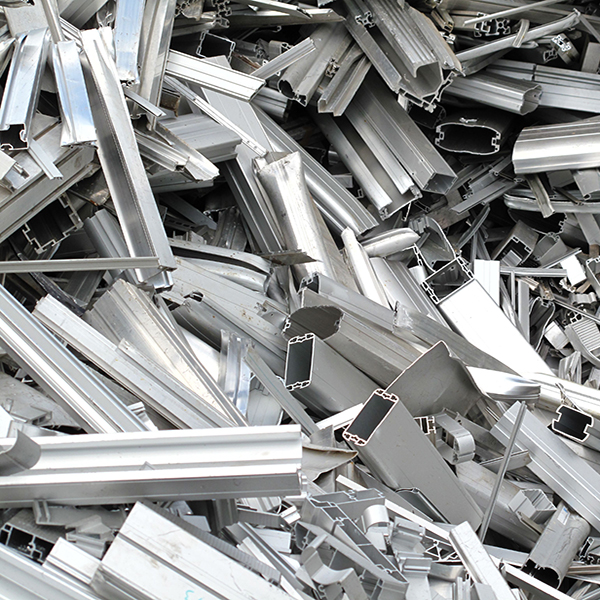
aluminum-scrap
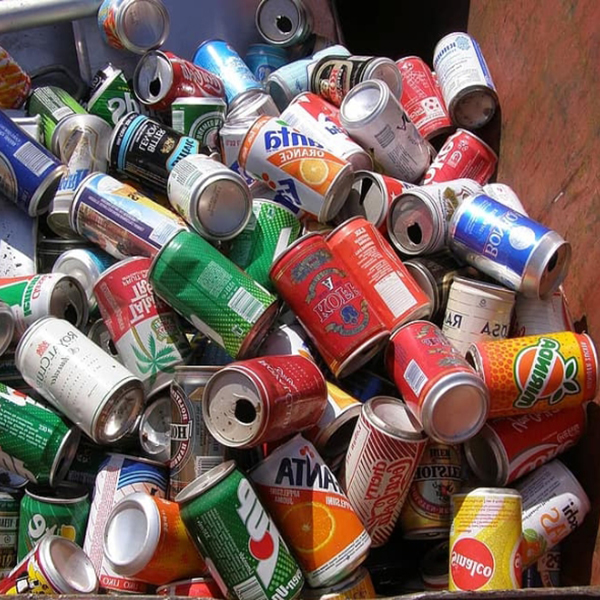
Can-disposal
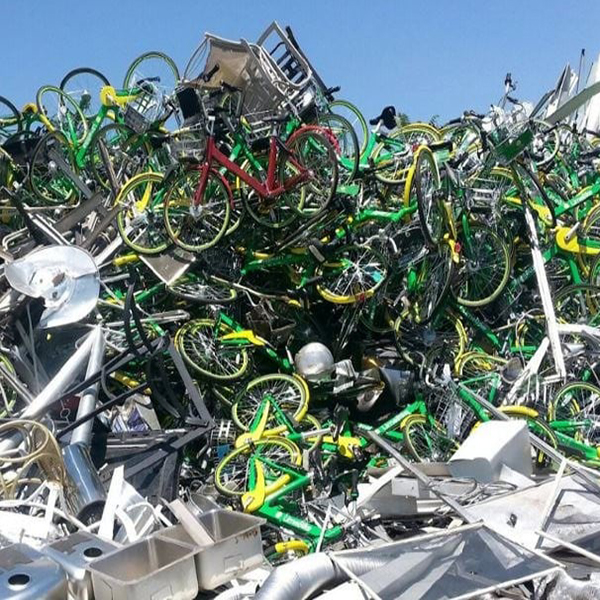
Waste bicycle
Waste paint bucket
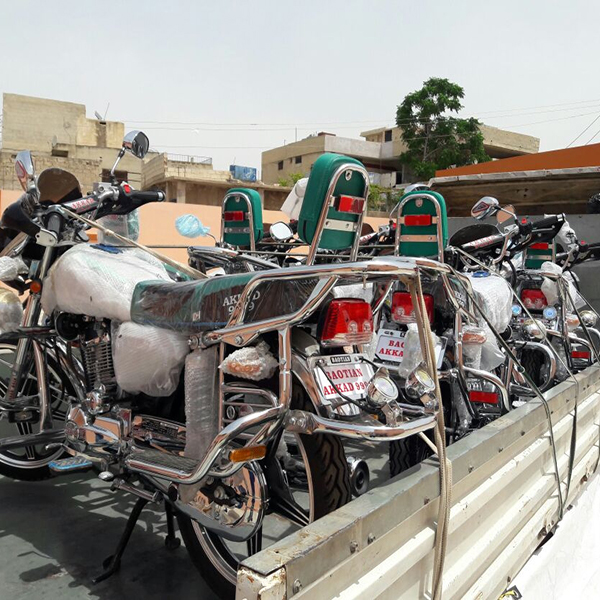
Waste motorcycle
Waste Car
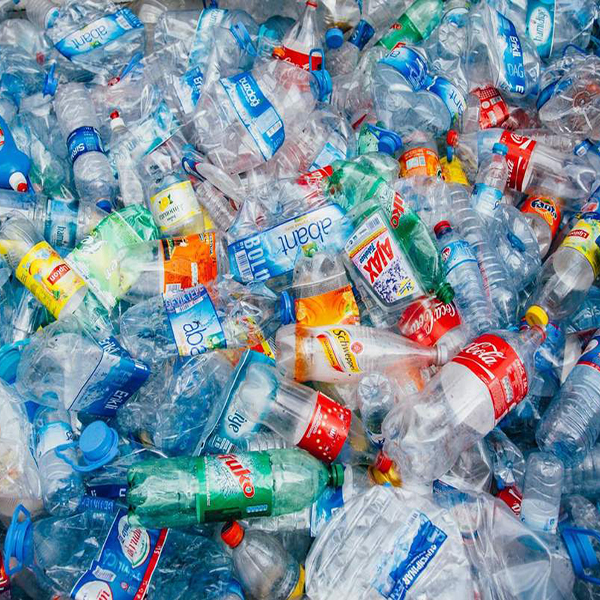
Waste plastics
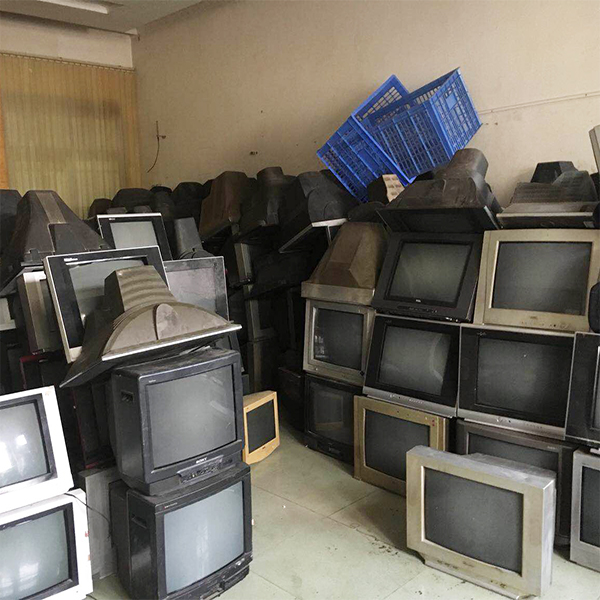
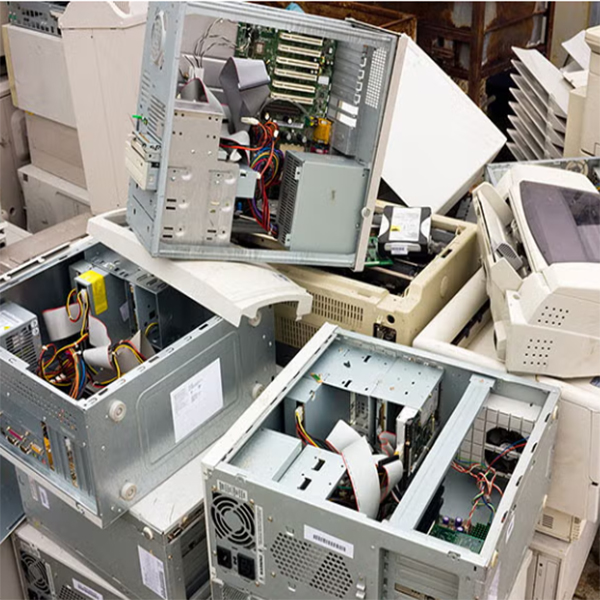
Waste appliances
Customizable
 |  |  |  |  |  |
 |  |  |  |  |  |
 |  |  |  |  |  |
 |  |  |  |  |  |
 |  |  |  |  |  |
 |  |  |  |  |  |
 |  |  |  |  |  |
 |  |  |  |  |  |
 |  |  |  |  |  |
 |  |  |  |  |  |
 |  |  |  |  |  |
 |  |  |  |  |  |