Views: 0 Author: Site Editor Publish Time: 2026-06-05 Origin: Site
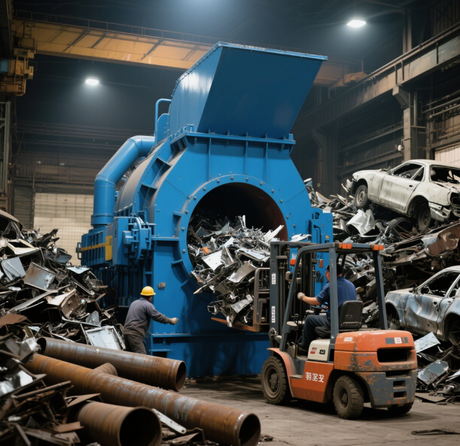
B2B recycling facilities and scrap yards rarely receive perfectly sorted materials. You deal daily under a chaotic operational reality. Your yards process mixed piles containing heavy-duty steel, malleable aluminum, and complex metal alloys. Can one machine handle these extreme material differences? Yes, it absolutely can. A heavy-duty Metal Crusher successfully processes both scrap steel and aluminum. However, doing so efficiently requires highly specialized engineering.
The equipment must handle drastically different material yield strengths. You risk severe jamming or premature wear otherwise. Evaluating the right machine means looking far beyond basic horsepower ratings. You must analyze torque ratios closely. You must evaluate rotor configurations and automated sorting capabilities. We will explore how modern industrial systems tackle mixed metals below. You will learn exactly how to choose equipment tailored for your specific tonnage and material streams.
High-torque industrial crushers effectively handle both high-tensile steel and ductile aluminum.
Equipment selection depends on the required output size and the specific combination of shearing, tearing, and impact forces.
Processing mixed metals typically requires integrated magnetic separation to automatically sort ferrous (steel) from non-ferrous (aluminum) outputs.
Evaluating a scrap metal crusher requires strict attention to wear-part metallurgy (e.g., tungsten carbide alloys) and PLC overload protections to ensure positive ROI.
Processing mixed scrap introduces significant material science realities. You face two distinct technical challenges simultaneously. Carbon steel and stainless steel possess immense hardness. They exhibit extremely high tensile strength. Fracturing these robust alloys requires extreme impact forces. Standard shredders cannot easily break dense steel components. Operators must rely on massive torque and heavy kinetic impact.
Conversely, aluminum presents a completely different mechanical obstacle. Materials like extrusions, engine blocks, or beverage cans remain highly malleable. Aluminum is much softer than carbon steel. Inferior machinery frequently suffers from "gumming" when processing aluminum alloys. The soft metal tends to bend and fold inside the chamber. It wraps tightly around the rotors instead of shattering cleanly. This wrapping action causes severe clogging issues. Operators then face costly downtime to clear the jammed chamber manually.
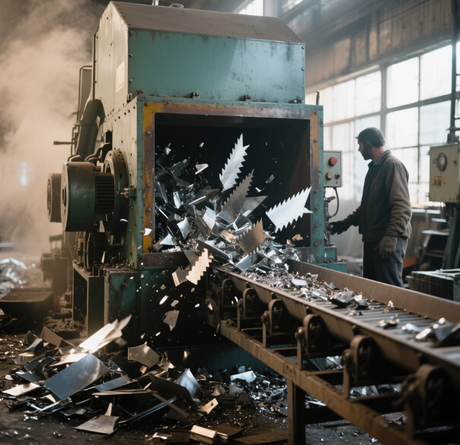
To process both materials efficiently, modern machines apply specific force dynamics. They combine multiple mechanical actions into one continuous process. They utilize low-speed, high-torque shredding. This piercing action easily tears ductile aluminum apart. Simultaneously, they employ high-speed hammer impacts. These heavy hammers forcefully fracture brittle steel components. They densify the final output while stripping away surface contaminants. You achieve a uniform, highly processed material stream this way.
Selecting the proper equipment depends entirely on your specific material mix. You must match the machine design to your desired final output size. Several distinct technologies dominate the metal recycling industry today.
You should position these machines for primary volume reduction. They work best for mixed, bulky waste streams. You can feed them entire car chassis or large household appliances. They operate at low speeds. This design creates a low-noise, low-dust operational profile. They deliver massive torque capabilities. The counter-rotating blades grab, pierce, and pull mixed metals apart effectively.
Facilities position these units primarily for secondary processing. High-speed rotors equipped with heavy alloy hammers pulverize the incoming metals. They repeatedly strike the scrap against hardened anvil plates. This violent action achieves exceptionally high bulk density. Hammer mills remain ideal for breaking down brittle metals. They effectively strip paint, rust, and dirt from the metal surfaces.
These represent highly specialized solutions rather than bulk processing tools. Jaw crushers handle heavy, solid castings. Alligator shears execute precise cuts on pipes or thick steel rebar. You rarely use them for high-volume, mixed-scrap processing lines.
Large-scale operations often sequence multiple machines together. They combine a twin-shaft shredder followed directly by a hammer mill. The shredder handles the initial size reduction. The hammer mill then densifies the shredded pieces. This balanced approach maximizes total throughput. It guarantees optimal final output density for the smelting furnace.
| Equipment Type | Primary Function | Best Material Fit | Operational Speed |
|---|---|---|---|
| Twin-Shaft Shredder | Primary volume reduction | Bulky, mixed waste (cars, appliances) | Low Speed / High Torque |
| Hammer Mill | Secondary densification | Brittle steel, dirty scrap | High Speed / High Impact |
| Alligator Shear | Targeted precise cutting | Pipes, thick steel rebar | Manual/Hydraulic Pacing |
Many operators misunderstand the true purpose of heavy-duty recycling machinery. A Scrap Metal Crusher does much more than simply shrink volume. It physically prepares the metal for the smelting furnace. Volume reduction lowers your immediate transport costs. However, the real financial return comes from extensive value addition.
The forceful impact process naturally strips away hidden contaminants. Scrap metals rarely arrive clean. They contain attached non-metal materials. The violent kinetic energy forcefully separates attached plastics, rubber gaskets, and glass. The machine liberates these impurities from the metal surfaces. You can then screen them out easily. This mechanical cleaning process drastically improves your final product purity.
Automated sorting systems become highly effective after the crushing stage. You must install in-line magnetic separators directly over your discharge conveyor belts. Once the machine reduces the metal to a uniform size, magnets work flawlessly. The magnetic systems effortlessly pull the ferrous steel scrap upward. The non-ferrous aluminum scrap continues along the belt safely. This automated separation creates two distinct, high-purity revenue streams.
Furnace efficiency improves dramatically when you process scrap properly. Densely packed, uniformly crushed metal melts much faster. It requires significantly less thermal energy in metallurgical furnaces. Bulky, uncrushed scrap creates dangerous air pockets during the melting process. Processed metal sinks into the molten bath quickly. This rapid melting cycle saves foundries massive amounts of energy and time.
Procuring industrial machinery requires careful capacity alignment. You must evaluate several core mechanical criteria before making a purchase decision. Overestimating or underestimating your requirements leads to severe operational bottlenecks.
You must establish highly realistic production benchmarks. Operations must align their target daily tonnage accurately. A regional yard might target 5 tons per hour. A massive enterprise steel plant might demand 50+ tons per hour. You must match this tonnage target to the correct motor size. A 75kW motor handles regional tasks well. An 800kW dual-motor cluster drives enterprise-level processing lines.
You should evaluate the motor-reducer-gearbox triad carefully. This mechanical trio provides the raw crushing power. Furthermore, intelligent PLC (Programmable Logic Controller) systems remain absolutely vital. An unshreddable object occasionally enters the hopper. The PLC detects the sudden torque spike instantly. It triggers an automatic reversal protocol. The rotors reverse direction to clear the jam safely. This smart logic prevents catastrophic gearbox failures entirely.
Consider your available yard space and foundational limits. Buyers must contrast compact, self-contained units against multi-stage plant installations. Compact units require almost no heavy foundational concrete work. They deploy rapidly on flat industrial floors. Multi-stage systems require extensive conveyor networks and deep concrete foundations. You must plan your infrastructure investments accordingly.
Evaluation Best Practices:
Audit your average daily material volume across a full month.
Calculate the precise ratio of ferrous to non-ferrous intake.
Measure the maximum thickness of steel plate you process regularly.
Verify your local electrical grid can support high-kW motor startups.
Industrial metal processing exerts extreme stress on heavy machinery. You must manage several inherent implementation risks proactively. Ignoring these harsh realities guarantees severe maintenance failures. Your primary focus must remain on the internal crushing chamber.
The specific metallurgy of your wear parts dictates your operational uptime. Standard steel blades degrade rapidly against industrial-grade scrap. You will experience unacceptable replacement cycles using cheap materials. You should strictly recommend high-manganese cast steel liners. Furthermore, you must specify tungsten carbide alloy hammers. These advanced components achieve HRC58 hardness ratings. They withstand thousands of hours of abrasive impact effortlessly.
Thermal management presents another significant operational challenge. The risk of machine overheating rises during continuous 24/7 operations. High-friction processing generates massive amounts of internal heat. You must outline the specific need for forced lubrication systems. Oil-cooling circuits monitored by digital temperature sensors protect the main bearings. They prevent thermal expansion from seizing the massive rotor shafts.
Operational safety protocols demand your strict attention constantly. The crushing process generates dangerous flying debris. Sealed metal containers also create explosive pressure waves when ruptured. You must highlight the need for robust pressure vessels. Reinforced hopper designs prevent debris from ejecting backward. Thick steel blast shields protect your operators from unexpected kinetic events.
Common Maintenance Mistakes:
Operating the machine past the recommended hammer wear limits.
Ignoring minor torque-spike warnings on the PLC dashboard.
Failing to clear the discharge conveyor, causing internal material backup.
Using incorrect viscosity lubricants in the heavy-duty gearboxes.
Crushing both heavy steel and malleable aluminum in a single operation remains highly viable. You simply need appropriately specified equipment to handle the opposing mechanical forces. The correct machine combines high torque to tear ductile aluminum with massive impact force to shatter brittle steel. This dual-action capability transforms chaotic mixed scrap into dense, high-value furnace feed.
Buyers should audit their current material intake thoroughly before contacting manufacturers. You must document the exact ratio of ferrous to non-ferrous materials. You should also measure the average thickness of your heaviest steel scrap. This precise data allows engineers to recommend the perfect rotor configuration and motor size for your facility.
We highly encourage buyers to request physical material testing. Send a representative sample of your worst mixed scrap to the manufacturer's testing facility. You should evaluate equipment based strictly on wear-part replacement cycles and overall operational uptime. By focusing on intelligent PLC protections and advanced tungsten carbide metallurgy, you guarantee a highly profitable recycling operation.
A: Yes. Heavy-duty crushers will easily shatter the outer cast aluminum block. This violent impact simultaneously liberates the internal steel components. Items like steel valves and camshafts break free intact. Magnetic sorting belts then separate the steel from the shattered aluminum automatically.
A: Industrial crushers equipped with smart PLC systems detect sudden torque spikes immediately. The machine will automatically stop the rotors. It then reverses the rotors to clear the dangerous jam. It either attempts to reposition the material or alerts the operator to remove the anomaly safely. This prevents catastrophic gearbox failure.
A: Lifespan depends strictly on your throughput volume and specific material hardness. Processing high-tensile steel wears parts significantly faster than processing extruded aluminum. High-manganese steel parts typically offer extended operational hours. However, exact replacement cycles should be guaranteed by the manufacturer based directly on your specific material mix.