Views: 0 Author: Site Editor Publish Time: 2026-09-22 Origin: Site
Industrial facilities and recycling plants face compounding operational bottlenecks when managing bulky, stubborn, or mixed waste streams. Standard size-reduction machinery often fails under these demanding conditions. High transportation logistics demands drain facility resources. Frequent equipment downtime occurs due to severe mechanical jamming. Inefficient downstream sorting directly results from underpowered or misaligned waste processing systems. These symptoms point to a fundamental mismatch between the material and the machine.
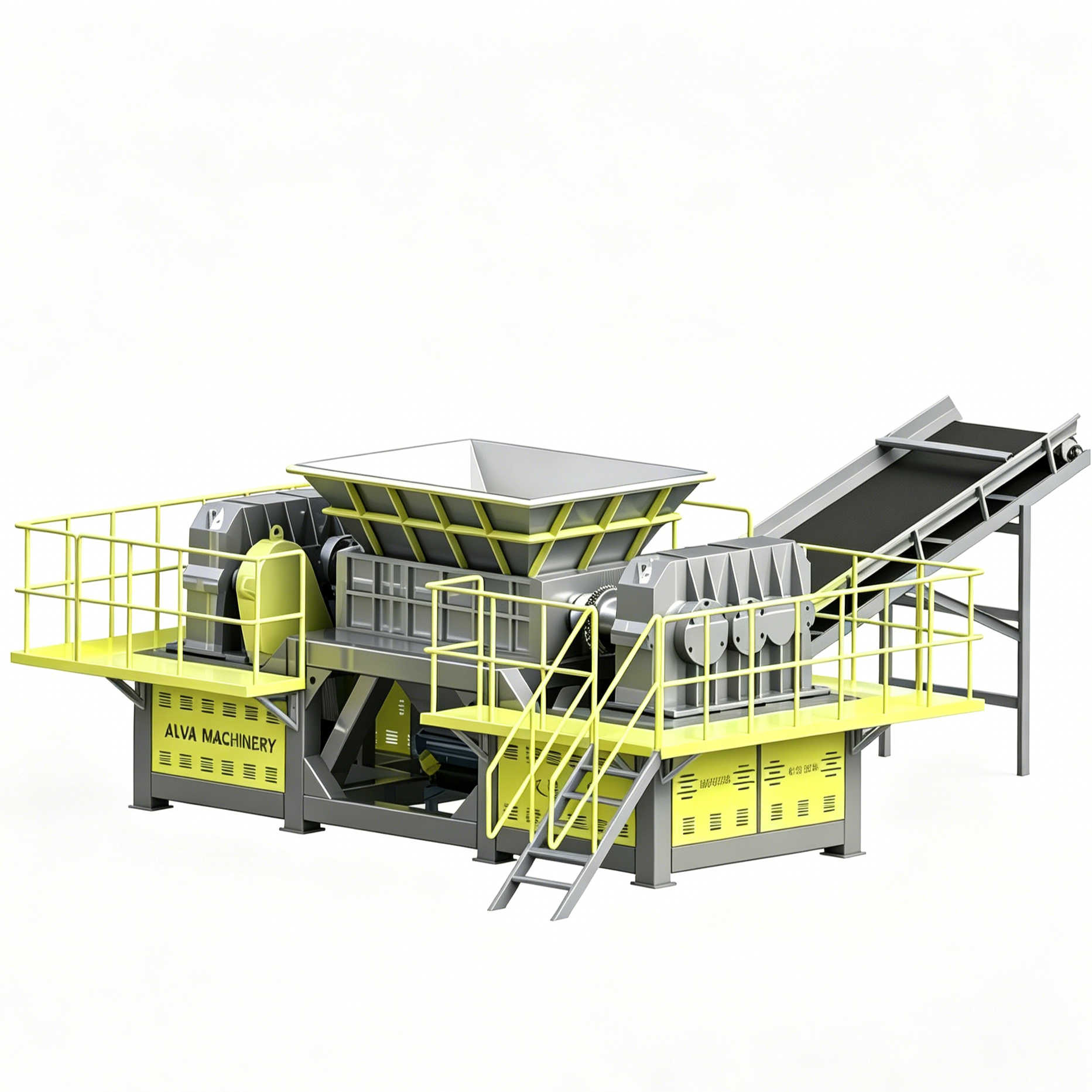
Evaluating a heavy-duty Double Shaft Shredder is a mandatory step for facility managers. You must transition away from high-speed, low-torque machines. Modern operations require continuous-operation Waste Reduction Equipment designed specifically for maximum volume reduction. This guide breaks down the mechanical realities of industrial shredding. We evaluate drive systems, blade geometries, and operational risks. You will learn exactly how high-torque shearing forces transform unpredictable waste streams into manageable, logistics-friendly outputs.
Mechanical Superiority for Mixed Waste: Low-speed, high-torque operation combined with staggered rotation prevents the entanglement and jamming common in high-RPM shredders.
Direct Impact on OPEX: Achieving a consistent, reduced material volume significantly lowers transportation, storage, and landfill disposal costs.
Downstream Efficiency: Pre-shredding voluminous and stubborn items optimizes the feed rate and lifespan of secondary processing equipment.
High-speed single-shaft machines frequently fail when processing hard, elastic, or bulky materials. Fast-rotating blades rely on impact force. They struggle to grip large objects effectively. When a loader dumps truck tires or metal drums into the hopper, the material bounces. The high-RPM rotor cannot establish a solid bite. This causes severe mechanical stress across the entire drive train. The impact force sends destructive shockwaves through the drive belts, the gearbox, and the motor bearings.
Elastic materials present a different failure mode. Textiles, wire ropes, and municipal solid waste stretch upon impact. They wrap tightly around the spinning rotor. This wrapping effect creates massive friction. The motor draws excessive amperage attempting to overcome the resistance. Eventually, the motor stalls entirely. The machine shuts down, triggering alarms across the facility.
Hidden operational burdens pile up quickly during these events. Equipment downtime requires immediate manual intervention. Maintenance crews must lock out and tag out the machine. Workers physically climb into the cutting chamber. They use pry bars, utility knives, and cutting torches to clear wrapped materials. This hazardous process halts the entire production line. Facility throughput drops to zero. Labor hours are wasted on clearing jams instead of processing material.
Facilities need reliable operational benchmarks to evaluate machinery. Target volume reduction ratios must align with your logistical limits. If your trucks transport empty air, you lose money. Proper shredding densifies the load. Required tons-per-hour (TPH) throughput dictates your facility capacity. You must match the machine's processing rate to your daily incoming tonnage.
Throughput Consistency: The machine must process material at a steady rate without constant operator intervention or manual feeding adjustments.
Bulk Density Improvement: The output material must pack tightly into transport containers, maximizing payload weights.
Surge Handling: The equipment must absorb sudden influxes of heavy material dumped directly from a grapple or loader without stalling.
Continuous operation metrics separate adequate machines from production bottlenecks. A machine that stops every hour for clearing is useless. Heterogeneous waste streams demand robust handling capabilities. Extensive pre-sorting wastes valuable labor hours. The ideal system accepts mixed materials directly from the tipping floor. It shears through varying densities without hesitation. It processes rigid plastics, flexible hoses, and light metals simultaneously.
The physics of this shredding mechanism prioritize raw power over speed. The system intentionally trades rotational velocity for sheer cutting force. An electric motor spinning at 1750 RPM connects to a heavy-duty planetary gearbox. The gearbox reduces that speed down to 15 to 35 revolutions per minute. This massive gear reduction multiplies the torque exponentially. High torque allows the blades to fracture and shear stubborn materials effortlessly.
Slow rotation prevents dangerous heat buildup inside the cutting chamber. High-speed impact machines generate sparks. They create serious fire hazards when processing mixed waste. Low-speed shearing eliminates this risk. It also minimizes dust generation during the shredding process. Facilities maintain cleaner air quality. Explosion risks from combustible dust drop significantly.
Counter-rotating shafts create a powerful biting effect. The shafts rotate inward toward each other. They grip, pull, and shear material simultaneously. The staggered blade arrangement ensures continuous engagement. As one blade finishes its cut, the next blade begins pulling material down.
Manufacturers utilize hexagonal shafts to prevent the blades from slipping under extreme load. Round shafts with keyways often shear the keys when hitting un-shreddable objects. Hex shafts distribute the rotational force evenly across the entire inner diameter of the blade. Independent drive motors manage variable loads effectively. Each shaft connects to its own motor and gearbox. If one shaft encounters extreme resistance, the other continues processing. This dynamic action breaks apart complex items. It eliminates the risk of entanglement for long or flexible waste. Textiles, cables, and wire rope pull through smoothly. They shear into distinct pieces without wrapping around the shafts.
Stationary stripper fingers mount securely between the rotating blades. These cleaning combs perform a critical mechanical function. They actively prevent material from wrapping around the shafts. As the blades rotate through the cutting zone, they pass through these stationary fingers.
The combs scrape sticky or elastic waste away from the blade roots. This ensures continuous material throughput. It prevents the cutting chamber from packing full of compressed waste. Without these fingers, wet municipal solid waste or hot plastics would pack into the blade pockets. The rotor would turn into a solid, smooth cylinder, losing all cutting ability. Friction-induced overheating would destroy the shaft bearings. The self-cleaning action keeps the machine running at peak efficiency. Operators spend zero time manually clearing the rotors.
Standard electric motor drives suit consistent, high-efficiency operations. They provide steady torque for predictable waste streams. Electric systems utilize planetary gearboxes to multiply torque. They require less specialized maintenance. Facilities processing standard municipal waste or uniform plastics prefer electric drives.
Hydraulic drives excel in extreme, unpredictable applications. They offer superior shock-load absorption. When a massive solid object enters the chamber, hydraulic systems react instantly. Fluid pressure bypasses through relief valves. This provides auto-reversing capabilities without straining the primary motor. Facilities processing scrap metal, heavy construction debris, or hazardous waste rely on hydraulic power. The hydraulic drive protects the mechanical components from catastrophic impact damage.
Drive Feature | Electric Drive System | Hydraulic Drive System |
|---|---|---|
Power Delivery | Consistent, steady torque via planetary gearbox | Variable torque via hydraulic fluid pressure |
Shock Load Tolerance | Moderate (relies on mechanical slip clutches) | Extremely High (fluid bypasses instantly) |
Reversing Speed | Slower (motor must spool down and reverse) | Instantaneous (valves switch fluid direction) |
Maintenance Complexity | Lower (standard electrical and gearbox service) | Higher (requires fluid changes, leak checks, pump service) |
Ideal Application | MSW, plastics, paper, uniform commercial waste | Scrap metal, C&D debris, heavy tires, unpredictable loads |
Customizable blade widths dictate your final output size. Thicker blades produce larger, coarser strips. Thinner blades create smaller, more uniform pieces. Hook counts and blade profiles also determine processing speed. Selecting the right blade geometry optimizes the machine for your specific waste streams.
Single-hook blades take massive bite sizes. They aggressively grab bulky items like 55-gallon drums or large tires.
Double-hook blades offer a balance of grip and cutting frequency. They work well for mixed commercial waste.
Multi-hook blades process lighter materials rapidly. They excel at shredding documents, thin plastics, and packaging materials.
Increasing material bulk density transforms logistical planning. Unshredded waste contains massive voids of empty air. A 40-yard roll-off container filled with unshredded pallets might weigh only two tons. Shredding collapses these voids. The material packs tightly into roll-off containers or walking-floor trailers. That same 40-yard container can now hold eight tons of shredded wood. Maximized payload weights mean fewer freight trips. You transport actual material tonnage instead of empty space. This directly reduces fleet fuel consumption and driver hours.
Primary shredding prepares materials for secondary processing. It breaks down complex, multi-material items into manageable pieces. An aluminum engine block attached to a steel bracket and plastic housing must be separated. The shredder tears these components apart. Secondary granulation becomes much more efficient. Granulators receive a steady feed of pre-sized material. Their knives last longer. They consume less power.
Sorting technologies rely heavily on proper material sizing. Magnetic separation works better when metals fully detach from plastics. When the shredded mix hits a cross-belt magnet, the steel separates cleanly. Eddy current separators require uniform material flow to eject non-ferrous metals accurately. Optical sorting systems use infrared cameras to identify materials. If items are too large or tangled, the air jets cannot eject them properly. Pre-shredding guarantees optimal performance across the entire sorting line.
High-torque motors consume power efficiently. We analyze power consumption in kilowatts per ton processed. Lower-tier equipment wastes energy through frequent jams. High-speed machines rely on momentum. When they hit a tough object, they lose RPM. The motor spikes amperage to regain that RPM. These amp spikes trigger peak demand charges on your utility bill.
A steady, low-speed shred process maintains consistent amp draw. The machine chews through material methodically. It prevents power spikes. It reduces overall energy demand per ton of output. You achieve higher throughput yields using less electricity. The mechanical advantage of the gearbox does the heavy lifting, not raw electrical horsepower.
Exact use cases define equipment selection. A Double Shaft Shredder handles voluminous, stubborn waste. It destroys tires, e-waste, hazardous materials, and metal scrap effortlessly. It acts as the primary breakdown stage. It accepts massive, unpredictable loads directly from the excavator grapple. It processes white goods like refrigerators and washing machines without bogging down.
Single-shaft machines serve entirely different purposes. They excel at processing clean plastics, wood scrap, and uniform secondary shredding. They utilize a fast-spinning rotor equipped with small cutting crowns. They push material against the rotor using a hydraulic ram. They are not designed for heavy metal or unpredictable mixed waste. Feeding a steel drum into a single-shaft machine will destroy the cutting crowns instantly.
Double shaft machines produce a coarser, strip-like output. They lack a sizing screen beneath the cutting chamber. The material falls through as soon as the blades shear it. They are built for primary volume reduction. They do not perform fine granulation. If you need a precise 2-inch chip, a double shaft machine alone will not achieve it. The output is irregular. You might get a 2-inch piece and a 12-inch strip in the same batch.
Maintenance complexities differ significantly between designs. Dual-shaft blade replacement requires specific labor protocols. Technicians must remove the entire shaft assembly. Shaft alignment demands precision during reassembly. Single-shaft systems involve screen changes and individual knife rotations. You must evaluate your maintenance team's capabilities when selecting a technology.
Operational Feature | Double Shaft Technology | Single Shaft Technology |
|---|---|---|
Primary Function | Initial volume reduction and rough sizing | Secondary processing and fine granulation |
Cutting Mechanism | Low-speed, high-torque shearing | High-speed milling and scraping |
Material Feed Method | Gravity fed, aggressive self-feeding bite | Hydraulic ram pushes material to rotor |
Output Consistency | Coarse, irregular strips (no screen) | Uniform, precise particle size (uses screen) |
Contamination Tolerance | Extremely high (handles tramp metal well) | Low (tramp metal destroys cutting crowns) |
Matching hopper dimensions to incoming material size prevents bridging. Bridging occurs when oversized items wedge against the hopper walls. They form an arch above the cutting blades. The machine runs empty while material sits stuck above it. A properly flared hopper allows bulky items to tumble directly into the cutting zone.
The cutting chamber size must accommodate your largest expected items. A 60-inch wide sofa cannot fit into a 40-inch cutting chamber. Motor power dictates your projected daily tonnage. Peak load requirements determine the necessary horsepower or kilowatt rating. Undersized motors overheat during continuous operation. Proper sizing prevents premature equipment wear. It ensures the machine handles your facility's busiest shifts without bottlenecking.
Built-in safety mechanisms protect both operators and machinery. Programmable Logic Controller (PLC) systems monitor the equipment continuously. They track motor amperage in real-time. Auto-reverse functions trigger immediately upon detecting un-shreddable objects. If a massive steel anvil enters the chamber, the amperage spikes. The PLC stops the shafts instantly. It reverses them to clear the blockage. This protects the motor and gearboxes from catastrophic failure.
Environmental controls ensure strict facility compliance. Industrial shredding generates localized dust. Integration with automated dust suppression systems keeps the air clean. Misting nozzles spray fine water droplets over the hopper. This knocks down airborne particulates. Noise reduction enclosures maintain safe decibel levels. Indoor operations require these acoustic barriers to meet occupational safety regulations.
Catastrophic blade damage remains a constant operational risk. Massive, un-shreddable solid steel blocks destroy standard cutting tools. Highly abrasive materials accelerate edge wear. Sand, glass, and fiberglass act like sandpaper against the steel blades. As blades dull, the machine loses its shearing efficiency. It begins to tear material rather than cut it. This increases motor strain and reduces throughput.
Implementing strategic pre-sorting protocols mitigates this risk. Excavator operators must visually inspect loads before feeding the hopper. Utilizing surface-hardened alloy blades extends operational life significantly. D2 or H13 tool steel withstands severe impacts. Hard-facing the blade edges with specialized welding rod restores cutting performance. Welders apply a layer of wear-resistant alloy to the blade hooks, then grind it back to a sharp edge. Automated overload protection acts as your final defense line against catastrophic mechanical failure.
Material bottlenecks often occur at the infeed hopper. If the infeed conveyor dumps material faster than the shredder processes it, the hopper overflows. Outfeed discharge zones can also back up quickly. Shredded material expands in volume as it fluffs up. It piles up under the cutting chamber.
Customizing hopper designs ensures smooth material transitions. Synchronizing infeed conveyor speeds with the shredder's processing rate maintains steady flow. Variable Frequency Drives (VFDs) allow operators to dial in the exact belt speed. The PLC should control the VFD. If the shredder motor amperage gets too high, the PLC slows down the infeed conveyor automatically. Ensuring adequate outfeed clearance prevents processed material from jamming the discharge belt. The outfeed conveyor must run faster and wider than the infeed conveyor to pull material away efficiently.
Conduct a comprehensive site audit to determine available footprint, power capacity, and daily tonnage requirements before selecting equipment.
Request vendor material testing by sending a representative sample of your toughest waste stream to prove the machine's shearing capabilities.
Evaluate the PLC control system capabilities, specifically looking for automated reversing functions and integration with existing conveyor drives.
Demand a detailed preventative maintenance schedule from the manufacturer, including blade hard-facing intervals and gearbox lubrication requirements.
A: While highly versatile, these machines struggle with massive solid steel blocks, thick metal plates, and highly explosive materials. Large, un-shreddable metal chunks can chip or break the cutting blades. Proper pre-sorting is necessary to remove these specific hazards before they enter the cutting chamber.
A: The PLC control system constantly monitors motor amperage. When a stubborn object causes a sudden spike in resistance, the system instantly stops the shafts. It then briefly reverses their rotation to reposition the material before attempting to shred it again, preventing motor stalls.
A: Double shaft machines lack a sizing screen, producing a coarse, irregular, strip-like output ideal for primary volume reduction. Single shaft machines utilize a screen beneath the rotor, ensuring a consistent, smaller, and uniform particle size suitable for final granulation.
A: Electric drives are highly efficient and ideal for consistent, predictable waste streams. Hydraulic drives are better suited for extreme, heavy-duty applications. They offer superior shock absorption and instant reversing capabilities when processing highly unpredictable or solid materials.
A: Stripper fingers, or cleaning combs, are stationary metal plates mounted between the rotating blades. They actively scrape sticky, elastic, or long materials off the cutting shafts. This prevents waste from wrapping around the rotor, ensuring continuous throughput and preventing friction-induced overheating.
A: Yes. These machines easily integrate into automated systems. Custom infeed hoppers and synchronized conveyor belts ensure a steady material feed. The output discharge can feed directly into secondary shredders, magnetic separators, or optical sorting equipment for continuous downstream processing.