Views: 0 Author: Site Editor Publish Time: 2026-10-19 Origin: Site
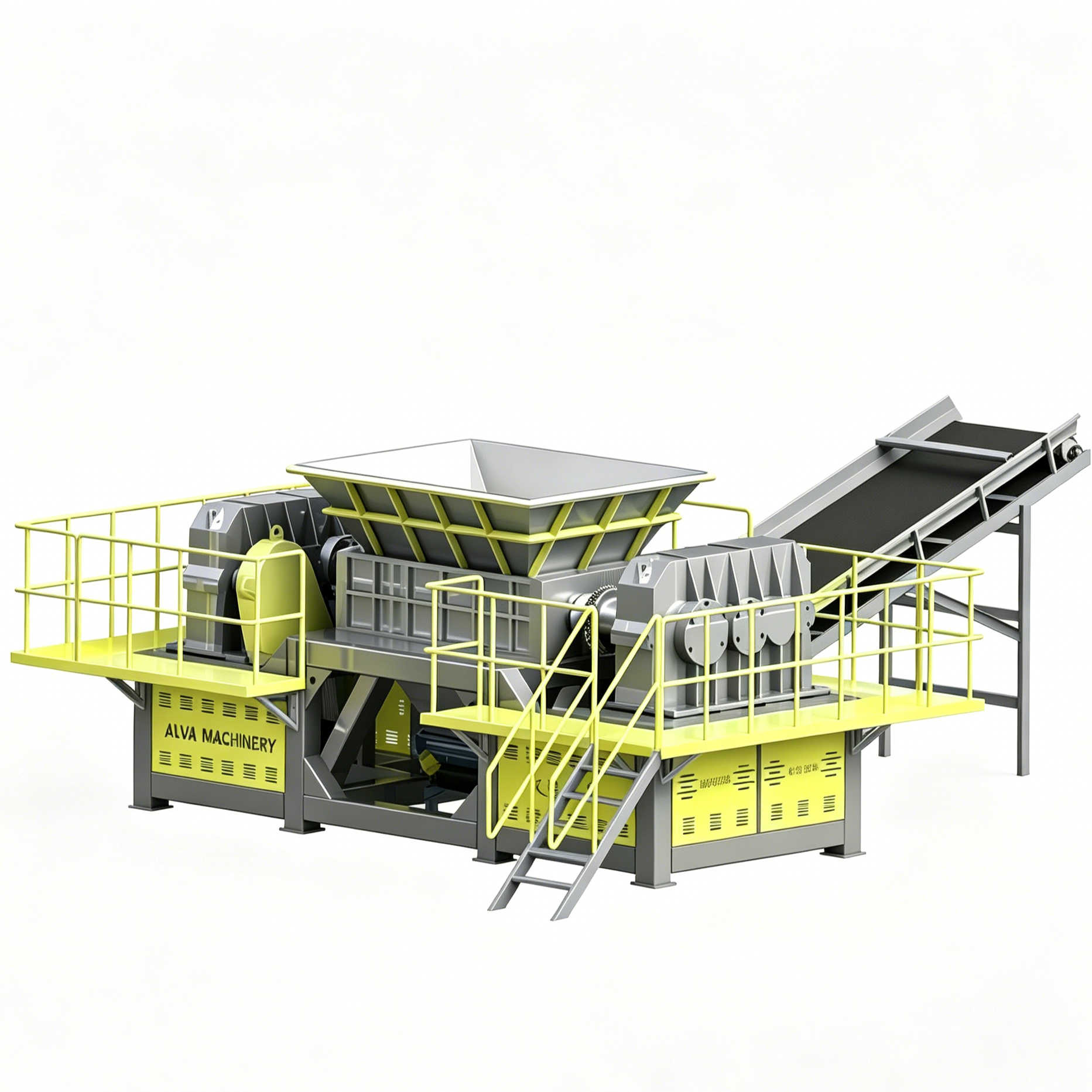
Why do tough industrial materials cause frequent shredding failures? Bulky plastics, scrap metal, and rubber demand powerful cutting solutions. A Double Shaft Shredder uses high torque and counter-rotating blades to break down resistant waste. Discover how this technology improves shredding performance and recycling efficiency.
A double shaft shredder combines mechanical gripping, high torque, and controlled cutting. These functions allow it to process materials that are difficult to crush directly.
Two parallel shafts rotate in opposite directions inside the cutting chamber. Their interlocking cutters catch materials and pull them toward the cutting zone.
This gripping action is particularly useful for irregular industrial waste. Large plastic drums and bulky containers often resist conventional feeding systems.
The opposing shafts maintain contact as materials enter the chamber. They help prevent objects from simply bouncing above the cutting area.
High torque provides the rotational force needed to break resistant materials. It helps the cutters penetrate thick plastics, rubber, and suitable metal scrap.
Unlike high-speed crushing equipment, a heavy duty double shaft shredder emphasizes cutting force. Its drive system delivers controlled power under changing loads.
For demanding applications, the Double Shaft Shredder with Planetary Gearbox offers a specialized drive configuration. Its planetary transmission distributes mechanical loads across multiple gears.
This configuration supports demanding shredding operations where sudden resistance changes are common.
Low-speed cutting allows the blades to engage materials progressively. It reduces reliance on high-speed impact forces.
This approach can limit excessive heat and unnecessary material movement. It also supports more controlled processing of bulky industrial waste.
However, actual temperature and dust levels depend on material composition and operating conditions.
Interlocking blades create concentrated forces between their cutting edges. These forces shear, tear, and compress materials during rotation.
Rigid plastics generally break through concentrated cutting and fracture. Flexible rubber requires effective gripping before tearing can occur.
Blade thickness, tooth geometry, and cutting clearances influence these actions. Different materials therefore require different cutter arrangements.
Large objects rarely break into their final dimensions immediately. The blades may engage remaining sections through repeated cutting actions.
The resulting material typically consists of coarse, irregular pieces. These pieces can enter crushers, granulators, or additional recycling stages.
Primary shredding does not automatically produce uniform finished particles.
Hard objects occasionally create resistance beyond the machine's operating limits. Equipped shredders detect excessive loads through their control systems.
Automatic reversal briefly changes shaft direction to release trapped materials. Normal operation may resume after the obstruction clears.
Persistent blockages still require inspection and safe operator intervention.
Tip: Test representative waste samples before selecting a shredder. Include the hardest, thickest, and most irregular materials expected during production.
A properly configured industrial shredder handles many difficult waste streams. However, material suitability depends on cutter design, available torque, and machine construction.
Industrial plastic waste includes HDPE pipes, PP containers, rigid drums, and manufacturing offcuts.
Thick walls resist deformation, while hollow containers can move unpredictably during feeding. Counter-rotating cutters help capture these objects and begin controlled size reduction.
For example, large plastic drums can be shredded before washing and granulation. The pieces become easier to transport through downstream equipment.
Suitable metal waste includes aluminum profiles, selected steel sheets, and empty metal containers.
Metal shredding requires careful evaluation of hardness, thickness, and cutting resistance. Some hardened or oversized metal objects may exceed machine capabilities.
Heavy-duty cutters must resist impact forces and abrasive contact. Drive capacity also becomes important when processing dense metal sections.
Rubber presents different challenges because it stretches under cutting pressure. Tires also contain reinforcing steel that increases cutting resistance.
A double shaft shredder uses opposing cutters to grip the rubber. The cutting edges gradually tear the material into smaller sections.
Tire recycling may require secondary shredding and steel separation. One machine rarely completes every processing stage.
Wooden pallets, selected electronic components, and bulky industrial solids also require primary size reduction.
Wood may contain nails or other embedded metal. Electronic waste can contain batteries and hazardous components.
These materials require suitable pretreatment and application-specific safety controls.
Note: Waste containing batteries, pressurized containers, or hazardous substances requires dedicated handling procedures before shredding.
Reliable shredding depends on more than motor power. Several mechanical components must work together under repeated cutting loads.
Cutting blades receive direct contact from hard and abrasive materials. Suitable alloy steels provide the hardness needed for demanding applications.
Blade geometry determines how effectively cutters grip and fracture waste. Strong supporting shafts transfer torque throughout the cutting assembly.
Worn blades increase resistance and reduce cutting efficiency. Replaceable or resharpenable cutters can simplify long-term maintenance.
Drive systems transfer power from motors to the cutting shafts.
Planetary gearboxes offer compact torque transmission for demanding mechanical loads. Hydraulic systems provide an alternative for applications requiring adjustable speed and controlled feeding.
A suitable drive must handle changing resistance without frequent overload interruptions.
Motor power alone cannot determine shredding capability. Operators must also evaluate usable torque and cutting configuration.
Cutting chambers experience continuous pressure and repeated impact loads. Reinforced frames help maintain shaft alignment during demanding operations.
Stable construction supports consistent cutting clearances and protects mechanical components.
Accessible chamber designs also simplify inspection and cutter replacement.
These features become especially valuable in plants processing abrasive or mixed industrial waste.
Shredding performance changes according to the physical characteristics of incoming waste.
Two materials of similar size may require very different cutting forces.
Hard metals resist blade penetration and increase mechanical loading. Thick plastic components demand sustained cutting force.
Elastic rubber can stretch instead of breaking immediately.
These differences influence processing speed, cutter wear, and achievable throughput.
For this reason, identical machine settings rarely deliver equal performance across every waste stream.
Large hollow containers may bridge across the cutting opening. Irregular objects can also shift during feeding.
Consistent feed dimensions generally support smoother material engagement.
Some applications benefit from forced-feeding equipment.
For bulky or difficult materials, the Double Shaft Shredder with Hydraulic Drive & Hydraulic Pusher provides controlled hydraulic feeding. Its pusher moves suitable materials toward the cutting shafts.
This design helps address bridging and feeding interruptions.
Blade thickness, hook geometry, and cutter spacing influence material reduction.
Thicker cutters may provide greater mechanical strength for demanding materials. Different blade arrangements can change gripping behavior and output dimensions.
Coarse shredding generally supports faster primary waste preparation. Smaller particle requirements may demand additional processing.
Material | Main Processing Challenge | Important Equipment Consideration |
|---|---|---|
Thick plastic pipes | High wall thickness and irregular shapes | Torque and effective gripping |
Scrap metal | Hardness and impact resistance | Wear-resistant cutters and strong drive |
Rubber tires | Elasticity and steel reinforcement | Cutter geometry and torque |
Plastic drums | Hollow structure and unstable feeding | Cutting chamber and feeding system |
Mixed industrial waste | Variable composition and contamination | Overload protection and pretreatment |
Tip: Define the required discharge size before choosing cutter thickness or shaft configuration.
The main advantage of primary shredding is better material preparation. Smaller waste pieces are easier to handle during subsequent recycling stages.
Large waste objects occupy considerable space during storage and transportation.
A double shaft shredder cuts these objects into manageable sections. Their reduced dimensions can improve container loading and material handling.
Actual volume reduction depends on the original shapes and material characteristics.
This benefit is especially relevant for plastic drums, pallets, and bulky industrial scrap.
Oversized materials can interrupt downstream crushers and separation systems.
Primary shredding reduces incoming material dimensions before further processing.
Plastic recycling plants may follow shredding with washing and granulation. Metal recycling facilities may use subsequent separation and recovery equipment.
This staged approach can support more predictable material flow.
Smaller pieces can move more easily through appropriately designed conveyors and processing systems.
They may also simplify sorting and controlled material transfer.
However, shredding alone does not remove contamination or separate mixed materials. Additional equipment remains necessary for complete recycling operations.
Recycling plants should evaluate the entire processing line rather than individual machines.
Even heavy-duty machines face operational limitations. Understanding common problems helps plants maintain more reliable production.
Flexible films, ropes, and other long materials may wrap around rotating shafts.
Large irregular objects can become trapped above the cutters. Dense materials may also cause sudden torque increases.
Automatic reversal can resolve some temporary blockages.
Persistent problems may require feeding adjustments or different cutter designs.
Abrasive contaminants gradually damage cutting surfaces.
Sand, embedded metal, and hard inclusions can accelerate blade wear. Damaged cutters may require greater force to process identical materials.
Routine inspection helps identify deterioration before major performance losses occur.
Maintenance should follow the manufacturer's procedures and safe isolation requirements.
Changing material composition can produce inconsistent shredded pieces.
Worn cutters and unsuitable feeding rates may further reduce processing capacity.
Operators should review blade condition, incoming waste, and downstream requirements.
Sometimes secondary crushing provides better results than attempting excessive reduction during primary shredding.
Note: Automatic reversing protects equipment during certain overload conditions. It does not replace material inspection or preventive maintenance.
Effective operation begins with matching equipment capabilities to actual recycling requirements.
Start by identifying material hardness, thickness, density, and maximum dimensions.
Determine whether the waste contains reinforcing metal or abrasive contamination.
Then evaluate cutter geometry, drive capacity, and chamber dimensions.
Review different industrial recycling equipment options according to the full processing workflow.
Representative material trials offer better selection evidence than motor ratings alone.
Uneven feeding creates sudden load changes and unnecessary interruptions.
Conveyors can help deliver materials at controlled rates. Load monitoring allows operators to identify excessive resistance.
Hydraulic feeding may support difficult applications involving hollow or bulky waste.
However, excessive feeding pressure can increase cutter loads. Settings must match machine capabilities and material characteristics.
Routine maintenance supports stable shredding performance.
Inspect cutting edges for wear, cracks, and material buildup. Check bearings, gearboxes, and lubrication systems according to service instructions.
Hydraulic machines also require attention to fluid condition and system components.
Maintenance work must use appropriate lockout procedures before accessing hazardous areas.
Primary shredding should match the requirements of the next processing stage.
Coarse plastic pieces may need further granulation before washing or pelletizing.
Mixed metal waste may require magnetic separation or additional sorting.
Evaluate throughput across the entire recycling line to identify bottlenecks.
A powerful primary shredder cannot compensate for insufficient downstream capacity.
Tip: Record material type, operating hours, output consistency, and maintenance events. These records help identify performance changes and recurring processing problems.
A Double Shaft Shredder handles tough industrial waste through high torque, counter-rotating blades, and controlled cutting. It processes bulky plastics, scrap metal, and rubber while supporting efficient recycling operations.
ALVA Machinery provides industrial shredding solutions designed for demanding recycling applications. Its planetary gearbox and hydraulic drive options support powerful cutting and stable material feeding. These solutions help recycling plants improve processing efficiency, reduce downtime, and achieve reliable waste reduction.
A: It handles thick plastics, rubber tires, scrap metal, and bulky industrial waste.
A: High torque and counter-rotating blades grip, shear, and tear resistant waste.
A: It reduces bulky waste and improves downstream processing efficiency.
A: Twin-shaft designs suit bulky waste, while single-shaft machines often provide controlled output sizing.
A: Energy use, blade wear, maintenance, and material hardness determine costs.
A: Control feeding rates, inspect cutters, and use automatic reversing systems.