Views: 0 Author: Site Editor Publish Time: 2026-04-21 Origin: Site
Investing in heavy recycling equipment is a major capital expenditure. It demands careful planning and strategic foresight. Buying the right machine shifts a facility from low-yield, manual processing into industrial-scale, automated material recovery. At the center of this transformation is the core size-reduction equipment. We view this unit as the absolute control node of a modern recycling line. It takes bulky, mixed scrap and transforms it into uniform, easily sorted commodities. Without this capability, your downstream processes starve.
This guide will break down operational use cases and throughput realities. We will explore key equipment variations and dissect the total cost of ownership (TCO). By understanding these factors, plant managers can make highly informed procurement decisions. You will learn how to balance upfront capital costs against long-term operational efficiency. Ultimately, this ensures your facility maximizes recovery rates while protecting its bottom line.
Primary Function: Crushers increase load density by 30–50% and optimize metal surface area, directly reducing transport costs and downstream smelting energy.
Process Placement: Crushing is a mid-step; it physically unlocks mixed materials, enabling subsequent magnetic and eddy-current separation (e.g., separating ferrous steel from non-ferrous "Zorba").
Equipment Distinction: Crushers rely on pressure/impact to fracture brittle or heavy metals, whereas shredders use shear force to cut and tear ductile or mixed scrap.
TCO Focus: The upfront metal crusher machine price is only a fraction of the cost; ROI depends heavily on minimizing unplanned downtime and managing consumable wear parts.
Transporting raw, unprocessed scrap is highly inefficient. You essentially pay freight companies to ship empty airspace. Bulky items like car frames, appliances, and loose sheet metal fill up truck trailers long before they reach their maximum allowable weight limits. Compacting this scrap eliminates wasted space. It increases overall transport density by 30 to 50 percent. This allows logistics teams to max out load weights. Your per-ton freight costs drop significantly, and you move more actual metal per trip.
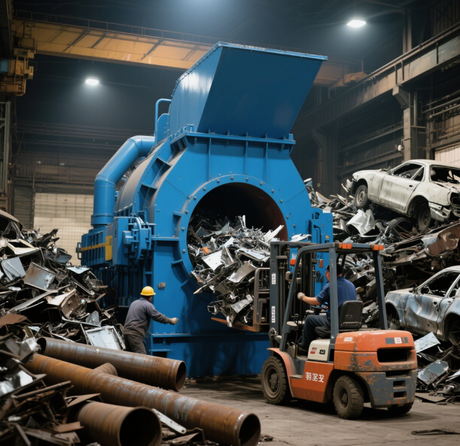
Processing composite materials requires immense physical force. A robust scrap metal crusher physically breaks apart complex, multi-material items. Think of old washing machines or automotive engine assemblies. The machine violently shatters them into distinct, separate pieces. This physical liberation is absolutely crucial. It creates the exact conditions necessary for automated sorting. Once materials are broken apart, magnetic drums can easily pull out ferrous steel. Meanwhile, eddy-current separators repel high-value non-ferrous metals into separate bins.
Foundries and smelters demand highly uniform feedstock. Consistent material size dramatically increases the metal's exposed surface area. When processed scrap enters an electric arc furnace, this increased surface area allows it to melt much faster. Impurities burn off rapidly. This translates to massive energy savings at the smelter level. Recycling metal already saves significant energy compared to refining virgin ore. Proper size reduction amplifies these savings further.
Metal Type | Energy Savings Potential | Impact of Proper Crushing |
|---|---|---|
Aluminum | Up to 95% | Maximizes surface area; speeds up melting cycles significantly. |
Copper | Up to 85% | Reduces time needed in electrolytic refining and purification. |
Steel | Up to 60% | Allows electric arc furnaces to burn off carbon and impurities faster. |
Industry professionals often use these terms interchangeably. This common search intent confusion leads to poor procurement decisions. Buying the wrong machine type will destroy your production targets. You must understand the specific mechanical action each machine performs.
Crushers use high-impact force, intense pressure, or extreme compression. Equipment types include Hammer Mills, Ring Crushers, and Jaw Crushers. They literally strike or squeeze the material until it fractures and shatters. This technology is ideal for brittle metals, cast iron, heavy industrial forgings, and specific applications like metal turnings or bushelings. The resulting output size can be slightly irregular, but the density is exceptionally high.
Shredders rely on low-speed, high-torque rotating blades. Common configurations include Single, Double, or Quad-shaft designs. Instead of shattering material, they shear, tear, and rip it apart. This mechanism handles ductile metals, mixed municipal waste, light appliances, and aluminum perfectly. Shredders deliver a highly uniform, strictly controlled output size. They excel at processing materials that would normally stretch or bend under blunt impact.
Feature | Crusher | Shredder |
|---|---|---|
Primary Mechanism | Blunt impact, pressure, compression | Low-speed shear, tearing, cutting |
Ideal Material Profile | Brittle metals, cast iron, heavy forgings | Ductile metals, mixed waste, light aluminum |
Output Characteristics | Irregular shapes, highly dense chunks | Uniform, precisely sized strips or chips |
You cannot simply drop a crushing unit into a facility and expect instant profits. It must function seamlessly within an end-to-end workflow. We can break this workflow down into three critical phases.
You must establish strict safety inputs before any material approaches the feed conveyor. Operators must know exactly what cannot go into the machine. We call these the operational red lines. You must manually or mechanically remove explosive risks. Unpurged fuel tanks, sealed gas cylinders, and pressurized containers will cause catastrophic damage. Furthermore, you must strip out hazardous waste like lithium-ion batteries. These batteries cause severe fires when ruptured by heavy machinery.
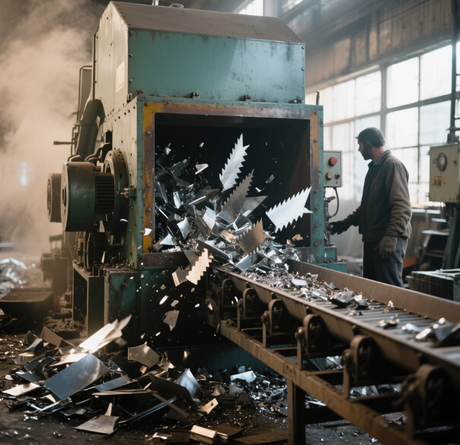
Once cleared, the material enters the crushing chamber. High-velocity rotors and heavy hammers deliver extreme kinetic energy. The machine shatters the scrap against internal grates. However, you must account for human error in the sorting phase. Heavy-duty frames must incorporate "tramp metal protection" mechanisms. If an uncrushable solid steel block enters the chamber, these safety gates swing open. They eject the dangerous item safely. This prevents the rogue metal from completely destroying your spinning rotor.
The shattered material immediately moves to downstream separation. The physical fracturing process releases massive amounts of non-metallic dust, plastics, and foam. Systems extract this Automotive Shredder Residue (ASR or fluff) using air classifiers. Next, eddy-current machines isolate high-value non-ferrous metals. The industry calls this mixed non-ferrous stream "Zorba." Recovering and selling Zorba is highly lucrative. In many facilities, the revenue from Zorba alone pays for the machine's entire operating OPEX.
Evaluating machinery strictly on sticker price is a fatal mistake. You must analyze the Total Cost of Ownership (TCO) over a five-to-ten-year horizon. This requires balancing capital expenditures against daily operational realities.
The upfront metal crusher machine price scales dramatically based on raw horsepower and hourly throughput. A low-speed 5–30 t/h unit designed for light yard work requires a moderate investment. Conversely, massive 100+ t/h mega-shredders demand multi-million dollar budgets. These heavy units also require massive infrastructure investments. You will need custom concrete foundations, heavy-duty conveyors, and specialized electrical substations to support them.
You must frame the true cost around consumable wear parts. Heavy recycling destroys metal by design. Your internal components take immense abuse daily. Annual wear-and-tear maintenance is a primary budget line item. You must budget for the constant replacement of specific parts.
Hammers and Anvils: These absorb the primary impact and require frequent hard-facing.
Internal Liners: Side-wall armor plates degrade over time from flying debris.
Sizing Grates: Bottom screens wear down, eventually allowing oversized material through.
Bearings and Belts: Heavy vibration degrades rotational components quickly.
Facility managers should expect to spend thousands to tens of thousands of dollars annually just on routine wear parts. You cannot avoid this expense.
We consider ease-of-maintenance and rapid parts availability as strict financial metrics. A cheaper imported machine might look attractive initially. However, if replacement parts are scarce, it destroys your ROI. If your facility halts for three weeks waiting for a replacement rotor bearing, you lose hundreds of thousands in revenue. Always prioritize vendors who guarantee localized spare parts inventory.
Industrial scale metal processing is violent, loud, and dusty. Local regulators will shut down operations that fail to manage these byproducts. You must engineer environmental controls directly into your site plan.
Modern crushers generate significant particulate matter. They also release Volatile Organic Compounds (VOCs) when residual oils and paints heat up during friction. You cannot vent this directly into the atmosphere. Outline a comprehensive air pollution control strategy. Integrated systems usually include cyclone separators for heavy dust. Baghouses capture finer particulates. Wet scrubbers neutralize chemical fumes. Without these integrated systems, you risk severe EPA or local environmental fines.
Spinning a heavy rotor creates extreme noise and seismic vibration. You must address this to meet local occupational safety standards and environmental zoning laws. Facilities often require engineered sound enclosures around the primary crushing chamber. Furthermore, heavy vibration-dampening foundations are mandatory. Pouring isolated concrete pads prevents shockwaves from damaging nearby structural supports or disturbing neighboring properties.
Selecting the right equipment requires a structured evaluation framework. Do not rely solely on manufacturer brochures. Use these specific criteria to shortlist potential machines for your facility.
You must align the machine's specific torque, speed, and cutting technology directly with your facility's primary scrap profile. Do not buy a high-speed hammer mill for thick steel plates. It will stall or shatter its own hammers. Conversely, running light aluminum siding through a massive, low-speed industrial shear is terribly inefficient. Match the physics of the machine to the metallurgy of your scrap.
Power infrastructure is a common bottleneck. Assess whether your local power grid can actually support the machine. High-horsepower crushers draw extreme electrical spikes during initial startup. They also spike when a particularly tough piece of metal enters the chamber. Weak local grids will experience brownouts. You might need to invest in massive soft-starters or petition your utility provider for a heavy-industrial grid upgrade.
Always evaluate Original Equipment Manufacturers (OEMs) based on real-world testing. Demand to run your specific scrap material through their demo units. Observe the output size and density yourself. Additionally, scrutinize their localized Service Level Agreements (SLAs). Ensure they guarantee emergency technician dispatch times and carry critical spare parts in regional warehouses.
A heavy-duty size reduction machine is not just a simple volume-reduction tool. It acts as the primary catalyst for your entire downstream sorting and monetization process. It physically unlocks the value hidden in mixed assemblies, allowing you to extract premium commodities like Zorba and high-density steel.
We strongly advise buyers to look far beyond the initial spec sheet and sticker price. Focus instead on realistic throughput-per-hour, the predictable lifespan of consumable wear parts, and strict safety compliance. A robust machine with accessible parts will always outperform a cheaper alternative that suffers from chronic downtime.
Take action today by auditing your current manual processing costs. Calculate your monthly freight expenses for shipping uncompacted scrap. Reach out to an application engineer to model a custom ROI calculation. By taking a data-driven approach, you can transform your recycling facility into a highly profitable, automated operation.
A: Do not feed explosive or hazardous items into standard equipment. Strict safety hazards include lithium-ion batteries, unpurged gas or propane tanks, and radioactive scrap. Heavy solid forgings also pose severe risks unless you deploy specialized, heavy-duty machines. These items can cause catastrophic explosions, fires, or mechanical failures. Always implement rigorous pre-sorting protocols to protect your operators and your investment.
A: Replacement frequency depends strictly on tonnage and material abrasiveness. In high-volume, continuous operations, wear parts take severe punishment. You may need to hard-face hammers and liners weekly to maintain optimal crushing profiles. Full replacement of these consumables typically occurs on a monthly or quarterly basis. Track your specific throughput data to establish a predictable maintenance schedule.
A: Yes, it significantly increases resale value. Crushing physically breaks apart composite items and removes cross-contamination. It sheds non-metallic fluff and creates a denser, highly uniform product. Foundries and smelters prefer this optimized feedstock because it melts faster and requires less energy. Consequently, properly processed scrap commands a premium per-ton price over raw, mixed bulk materials.