Views: 0 Author: Site Editor Publish Time: 2026-05-22 Origin: Site
Purchasing recycling equipment requires careful capital expenditure planning. You cannot find the optimal machine in a vacuum. The ideal choice depends entirely on your specific scrap mix and daily throughput demands. Understanding this reality saves facilities massive amounts of money. The primary function of this heavy machinery is critical for profitability. It removes airspace in metal waste to increase material density. This physical transformation drastically improves remelting efficiency downstream. It also separates harmful impurities from valuable alloys. High-purity outputs directly increase the market resale value of your recycled metal. Evaluating numerous machines can feel overwhelming for plant managers. This article serves as a practical, step-by-step buyer’s framework. We will help you evaluate, shortlist, and select the exact machine your yard needs. You will learn how to match equipment specifications to material realities and permanently avoid frustrating production bottlenecks.
Selecting the wrong crusher can inflate long-term operational costs by over 30% due to premature wear and unplanned downtime.
Equipment is generally categorized by throughput: Light-duty (<1 ton/hour), Medium-duty (1–3 tons/hour), and Heavy-duty (>3 tons/hour).
Dual-shaft shredders serve as the industry standard for general scrap, while specialized hammer mills or ring crushers are required for metal purification and high-density outputs.
A sound procurement decision requires a three-step validation: defining material constraints, evaluating drive efficiency (e.g., IE4 motors), and conducting a live material test.
Evaluate machines solely on upfront price, and you risk severe financial penalties. Industry implementation data reveals a harsh truth. Mismatched equipment creates massive downstream issues for recycling yards. Planners often underestimate how a poorly selected machine impacts the entire daily workflow. A cheap upfront purchase often masks incredibly high daily running expenses.
Underpowered machines cause immediate operational bottlenecks. They slow down conveyor feeds drastically. Upstream loaders must sit idle waiting for the hopper to clear. This idle time destroys daily productivity metrics. Conversely, overpowered machines waste massive amounts of electricity. They unnecessarily increase your facility's baseline operating costs. Finding the correct capacity balance prevents these expensive extremes.
Material value loss presents another major financial risk. Subpar shredding mechanisms often fail to separate plastics, glass, or dirt from the base metal. Contaminated scrap always commands a significantly lower resale price on the open market. Foundries demand high-purity inputs for their smelting furnaces. If your machine leaves impurities behind, your profit margins shrink rapidly. Furthermore, repeated exposure to tough contaminants wears down cheap blades very quickly.
Best Practice: Always calculate your required daily tonnage before looking at machine catalogs. Track your peak delivery hours to understand actual surge requirements.
Common Mistake: Buying a massive machine for a small yard. Managers often think future growth justifies the immediate energy waste. It rarely does.
Understanding mechanical differences helps you choose the correct configuration. Every machine handles stress and material hardness differently. You must align the cutting technology with your primary scrap intake. Let us explore the primary categories used across major recycling facilities today.
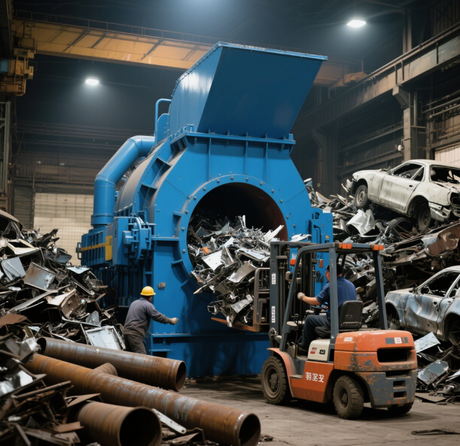
These machines act as the absolute workhorse of the recycling industry. The mechanism utilizes low-speed, high-torque interlocking teeth. They rip dense materials apart highly efficiently. You will find them best for general volume reduction tasks. They easily process mixed scrap, automotive exterior panels, and complex municipal solid waste. The dual-rotor design prevents constant jamming.
A single-shaft system uses one large rotor pushing material against a fixed anvil. Operators often pair them directly alongside customizable sizing screens. They perform best in highly space-constrained environments. If you require uniform, predictable particle sizes, this design delivers consistent results daily. They work exceptionally well for secondary processing stages.
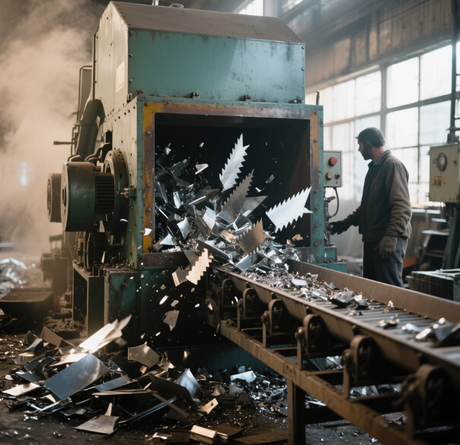
These systems rely on intense high-speed impact crushing. They shatter metal rather than shearing it into strips. They typically feature reversible rotors and heavy-duty manganese steel wear liners. You need a Metal Crusher configured this way for heavy-duty, high-volume operations. They aggressively break down brittle metals, metal turnings, or entire automotive shells. They remain ideal for purifying metals entirely before the remelting process.
Four-shaft configurations combine shearing and tearing actions simultaneously. They force processed material through a restrictive bottom screen. They excel at processing highly complex, multi-material items. You use them for difficult edge cases like electronic waste, mattresses, or wooden pallets hiding steel nails. The multi-shaft design ensures nothing passes through without complete breakdown.
| Machine Type | Primary Mechanism | Best Used For | Output Profile |
|---|---|---|---|
| Dual-Shaft | Low-speed, high-torque shearing | Mixed scrap, automotive panels | Coarse, high-volume strips |
| Single-Shaft | Single rotor against fixed anvil | Space-constrained areas | Uniform, screened particles |
| Hammer Mills | High-speed impact shattering | Metal turnings, brittle alloys | Dense, purified nuggets |
| Four-Shaft | Combined shearing and tearing | E-waste, complex assemblies | Precise, highly separated pieces |
Matching your facility's constraints to the right Industrial Metal Crusher ensures smooth daily operations. Do not buy capacity you do not need. Address your specific daily bottlenecks first. Evaluating your unique environment guarantees a better long-term return.
You might process massive steel sheets or heavy die-cast aluminum blocks daily. You require heavy-duty hydraulic dual-shaft shredders or massive ring crushers. These machines must handle 8 to 15 tons per hour comfortably. Robust PLC-based overload protection is entirely non-negotiable here. It prevents catastrophic mechanical jams when uncrushable alloys enter the feeding hopper.
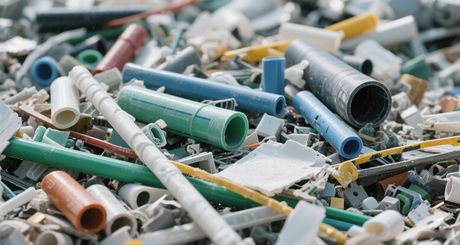
Your yard might deal heavily in ACSR cables, titanium pieces, or hardware mixed extensively with plastics. Focus on equipment built specifically for precise sizing and material separation. Four-shaft shredders or specialized hammer mills work perfectly for this application. They break apart composite items aggressively. This action allows for immediate downstream magnetic separation. You recover cleaner, higher-value metals as a direct result.
Many urban recycling centers operate inside very tight building footprints. You need compact single-shaft shredders. Focus heavily on machines featuring top-feed and bottom-discharge designs. They integrate seamlessly over your existing conveyor belts. This vertical design saves valuable floor space without sacrificing your steady material throughput.
| Operational Pain Point | Recommended Solution | Key Feature Required |
|---|---|---|
| Handling extremely thick steel plates | Hydraulic Dual-Shaft System | High-torque automatic reverse |
| Separating copper wire from plastic | Four-Shaft Shredder | Integrated sizing screens |
| Limited warehouse floor space | Vertical Single-Shaft Unit | Top-feed/bottom-discharge configuration |
Procurement managers must look far beyond basic marketing claims. A rigorous evaluation protects your significant capital investment. Analyze these four core criteria before approving any equipment purchase.
Throughput Scalability: Ensure the machine's capacity aligns exactly with your business growth goals. Industry standard tiers help you benchmark accurately:
Light-duty: Processing less than 1 ton per hour.
Medium-duty: Handling between 1 and 3 tons per hour steadily.
Heavy-duty: Processing over 3 tons per hour continuously.
Extreme-duty: Managing massive loads up to 60 tons per hour.
Energy Efficiency & Drive Systems: Evaluate power consumption carefully during your selection process. Traditional motors draw massive current spikes during routine startup phases. Modern energy-saving IE4-rated motors perform much better. They can reduce your facility's energy use by up to 20 percent. Consider hydraulic drives for massive torque requirements. Choose electric drives for steady, highly predictable material loads.
Maintenance Features & Uptime: Unplanned downtime destroys your daily profitability. Look for predictive maintenance features built directly into the control panel. PLC-based overload protection automatically reverses the rotors during dangerous jams. AI-driven wear alerts notify operators well before critical failures occur. Prioritize designs offering highly accessible, easily replaceable wear parts. Features like reversible grate bars and external bearings save countless maintenance hours.
Output Size Precision: Consider whether the machine allows for rapid customizable screen changes. Coarse shredding works fine if you only need bulk density for basic transport. Deep processing requires extreme precision. Fine, 20-80mm granules are entirely necessary for advanced separation techniques and high-value scrap resale.
A new processing unit cannot operate well in isolation. You must plan for holistic facility integration from day one. Poor planning during the rollout phase causes massive production delays. You must map out your entire yard logistics beforehand.
Your new equipment must align perfectly with front-end loading and back-end processing. Consider exactly how your forklifts and grapples will feed the new hopper. Ensure your existing conveyor belts can handle the sudden surge of heavy densified material. You must also align the output speed with secondary equipment. Horizontal grinders and magnetic separators need a steady, metered feed to function correctly. A bottleneck here defeats the purpose of your upgrade.
Audit your facility's entire power capabilities before signing any purchase order. Heavy-duty machines require substantial, highly stable power draws. High-torque systems will trip main breakers if your local grid lacks sufficient capacity. Upgrading electrical panels mid-installation costs thousands of dollars. It also delays your production schedule significantly. Consult your local utility provider early in the planning stage.
Protecting your yard operators remains absolutely paramount. Ensure the machine features inherent safety designs straight from the factory floor. Enclosed heavy-duty hoppers prevent dangerous material ejection during operation. Automated reverse mechanisms safely clear uncrushable items without requiring manual human intervention. Integrated dust and spark suppression systems prevent catastrophic yard fires during dry seasons.
Selecting the optimal recycling equipment dictates your yard's future profitability. A properly matched system maximizes material density while minimizing daily energy waste. It must feature a throughput capacity precisely matched to your facility’s actual daily volume. Overspending hurts immediate cash flow, while underspending guarantees endless operational bottlenecks.
Never buy heavy machinery strictly off a generic specification sheet. We strongly advise a rigorous three-step vendor evaluation process. First, request free live material testing using your facility's specific scrap mix. Second, review detailed production line simulations to spot integration bottlenecks early. Third, strictly validate the machine's performance guarantees and long-term warranty terms. Taking these actions firmly protects your business and ensures maximum operational efficiency.
A: Shredders use low-speed, high-torque shearing action to cut and tear metal into smaller strips. They handle mixed waste efficiently. Crushers and hammer mills use high-speed impact to shatter metal. This shattering action densifies the material and aggressively separates impurities, preparing the metal directly for remelting.
A: Calculate your daily tonnage and factor in peak surge times. Always choose a machine where your standard load represents about 70-80% of its maximum capacity. This buffer prevents premature wear on the motor and blades while accommodating unexpected spikes in material delivery.
A: Yes, provided you select the right machine configuration. Dual-shaft or four-shaft shredders are specifically designed to handle heterogeneous materials. Their low-speed, high-torque mechanisms process complex items without jamming the rotors or causing catastrophic blade damage.