Views: 0 Author: Site Editor Publish Time: 2025-09-29 Origin: Site
You want to choose the best plastic crusher for your needs. The right plastic crusher depends on your material type, desired output size, and application. No universal best plastic crusher exists, because each type works better for different materials and goals. As you read, think about your specific requirements. Consider how each plastic crusher handles your materials and matches your output needs. ��️
Choose the right plastic crusher based on your material type and desired output size. This ensures efficient processing and meets your recycling goals.
Granulators are ideal for producing uniform granules from soft and hard plastics. They are perfect for high-volume recycling operations.
Shredders excel at handling bulky and tough plastics. They are great for pre-processing large items before further size reduction.
Jaw crushers are best for breaking down hard plastics quickly. Use them for initial size reduction before granulation or shredding.
Regular maintenance is crucial for keeping your plastic crusher running smoothly. Schedule daily, weekly, and monthly checks to extend its lifespan.
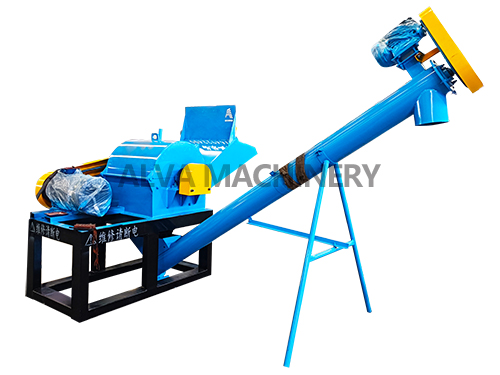
When you look at plastic crusher machines, you see several main types. Each plastic crusher works differently and suits specific materials and applications in the plastic industry. Understanding these types helps you in selecting the right plastic crushers for your needs.
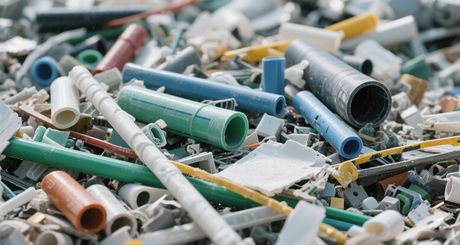
Granulators use sharp blades and rotating knives to cut plastic into small, uniform pieces. You feed plastic waste into the plastic crusher machine, and the blades slice it down to your desired size. Granulators handle both soft and hard plastics, including sheets, tubes, and packaging materials. You can adjust the particle size by changing the screen or blade settings. Granulators process high-density polyethylene (HDPE) efficiently, making them popular in recycling. You often see granulators in the plastic industry for producing clean, consistent flakes.
Tip: Granulators offer high throughput rates, sometimes upwards of 9000 lb/hr, making them ideal for large-scale recycling operations.
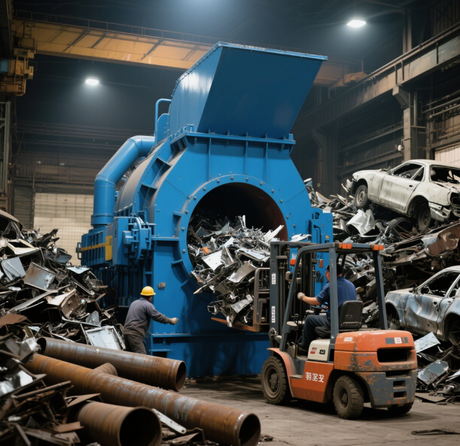
Shredders use rotating blades to cut, tear, or shear plastic waste. You load bulky or tough plastics into the plastic crusher machine, and the blades break them down into manageable pieces. Shredders work well for waste materials, including HDPE, food scraps, and mixed plastics. Single shaft shredders process large volumes reliably, while dual shaft shredders handle rigid and bulky plastics. Industrial plastic shredders excel at producing uniform particles for recycling. You can use shredders for both pre-processing and final size reduction.
Machine Type | Operation Method | Material Type | Final Product Size |
|---|---|---|---|
Shredders | Cut, tear, or shear using rotating blades | Waste materials (plastics, food scraps) | Uniformly sized pieces for recycling |
Granulators | Cut with blades and rotating knives | Soft and hard plastics | Adjustable particle size |
Jaw Crushers | Crush between two surfaces | Hard plastics | Smaller pieces |
Specialized Crushers | Varies | Varies | Varies |
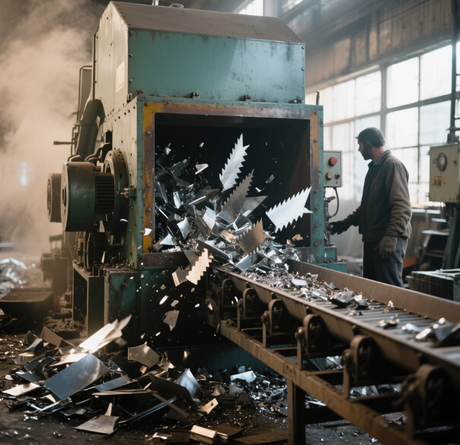
Jaw crushers use two surfaces to crush hard plastics. You place the material between the jaws, and the plastic crusher machine applies pressure until the plastic breaks into smaller pieces. Jaw crushers suit hard plastics like ABS, PE, and PP boards. You get irregular fragments, which you can further process with other plastic crusher machines. Jaw crushers work best for initial size reduction before granulation or shredding.
Specialized plastic crusher machines include flat type, V-type, double-shear, and multi-shear designs. Each type targets specific materials and shapes. For example, flat type crushers recycle boxes, thin pipes, and bottles. V-type crushers handle hollow products, films, and leather. Hard plastic crushers focus on plate materials, while powerful plastic crushers process ordinary sheets and profiles. You choose a specialized plastic crusher based on your material and desired output.
Standard plastic crusher: Crushes all kinds of plastics, including high fiber content.
Claw type granulator: Best for larger or harder plastics.
Flake type granulator: Ideal for sheets and packaging.
Flat type crusher: Good for thin products.
V type crusher: Effective for hollow products and films.
When you select a plastic crusher machine, consider your material type, output size, and recycling goals. Each plastic crusher offers unique strengths for different tasks in the plastic industry.
When you compare plastic crusher machine types, you see that each offers unique strengths for different tasks. Granulators deliver precise and uniform particle sizes, which helps you achieve consistent results in recycling. Shredders handle bulky and tough plastics, making them ideal for pre-processing large items. Jaw crushers break down hard plastics quickly, giving you a fast way to reduce size before further processing. Specialized plastic crusher machines target specific shapes and materials, so you can match the machine to your needs.
Note: Modern plastic crusher machines often include energy-saving features. You can lower your power costs by choosing models with efficient motors and smart controls.
Here is a table showing how energy consumption varies among different machines:
Machine Type | Energy Consumption |
|---|---|
Plastic Crusher | Lower |
Plastic Pelletizer | Higher |
You should also consider these points about energy use:
Larger plastic crusher machines with higher capacities consume more power.
Harder plastics require more energy to process.
Newer designs with energy-efficient features help you save electricity.
Granulators stand out for their ability to produce uniform granules, which supports high-quality recycling. Shredders excel at handling mixed materials and large volumes. Jaw crushers work best for hard plastics, while specialized plastic crusher machines let you process unique shapes and sizes.
Each plastic crusher machine type has limitations. Granulators may struggle with very thick or reinforced plastics. Shredders sometimes produce uneven particle sizes, which can affect downstream recycling processes. Jaw crushers create irregular fragments, so you may need extra steps to achieve uniform output. Specialized plastic crusher machines often focus on narrow applications, which limits their versatility.
You should also think about maintenance and lifespan. In large-scale industrial settings, plastic crusher machines used continuously may require major repairs or replacement after 3 to 5 years. Frequent use increases wear on blades and motors, so you need regular maintenance to keep your plastic crusher machine running smoothly.
A medium-sized plastic crusher with a power rating of 10 kilowatts running for 8 hours a day, five days a week, would consume 400 kilowatt-hours weekly. This could cost you about $60 in electricity. If you choose a larger plastic crusher machine, expect higher energy bills.
You can match each plastic crusher machine type to specific tasks in recycling and production. Granulators work best when you need uniform granules for molding or extrusion. Shredders suit pre-processing of bulky items and mixed plastics. Jaw crushers help you break down hard plastics before further size reduction. Specialized plastic crusher machines let you target unique shapes, such as bottles, pipes, or films.
Here is a quick guide to output particle sizes:
Jaw crushers achieve output sizes of about 1/8” (3 mm). Larger models increase the minimum size.
Cone crushers can produce fine crushed product sizes as small as 1/8” (3 mm).
Double roll crushers generate a minimum size of about ¼” (6 mm).
Granulators produce uniform-sized plastic granules.
Single-shaft shredders reduce large items into smaller pieces.
Double-shaft shredders offer higher throughput for tough, reinforced plastics.
Hammer mills grind plastics into smaller particles.
If you run a recycling facility that handles mixed plastics, twin shaft plastic crusher machines are recommended. These machines process tough, mixed materials quickly, making them ideal for high-volume recycling operations. Single shaft plastic crusher machines work well for uniform output and thick items.
Tip: Choose your plastic crusher machine based on your material type, desired output size, and recycling goals. This helps you maximize efficiency and reduce costs.
Selecting the best plastic crusher machine for your operation means looking at several important factors. You want to match the machine to your material, output needs, and workflow. Let’s break down what you should consider before making your decision.
The type of plastic you process affects your choice of plastic crusher machine. You need to think about material hardness, shape, and composition.
For soft plastics like polyethylene and polypropylene, you should choose a plastic crusher machine with sharper cutting blades. These machines slice through flexible materials efficiently.
For hard plastics such as ABS and polycarbonate, select a plastic crusher machine with higher blade hardness and strong wear resistance. Heavy-duty models process tough materials quickly.
If you handle mixed materials, look for a plastic crusher machine with a powerful motor and a wide crushing range. Sound-proof models help reduce noise when crushing hard plastics.
Tip: A low-speed plastic crusher machine ensures even crushing and extends motor life. You also get less noise, which creates a better work environment.
Here’s a table showing key factors for polypropylene materials:
Factor | Description |
|---|---|
Capacity and Throughput | Match the plastic crusher machine’s throughput rate with your production needs. |
Cutting Mechanism and Blades | Use shear cutting for polypropylene. Blade material affects performance and lifespan. |
Motor Power and Efficiency | Choose a motor with enough power and energy-saving features. |
Durability and Maintenance | Select high-grade materials and easy maintenance access. Spare parts and service matter. |
Safety Features | Look for safety interlocks and emergency stop buttons. Compliance with standards is essential. |
You need to decide the output size for your plastic crusher machine. The right size supports your downstream processes, such as molding or recycling.
The size of the crushed plastic is critical in injection molding. If the pieces are too large, they may not melt uniformly, which can cause defects in your final products. If the pieces are too small, you risk creating excessive dust. This dust can pose health risks and lower product quality.
Granulators produce uniform granules, which work well for molding and extrusion.
Shredders create larger, uneven pieces, suitable for pre-processing.
Jaw crushers break hard plastics into irregular fragments, which you may need to process further.
Note: Adjust the screen or blade settings on your plastic crusher machine to control output size. This flexibility helps you meet different production goals.
Capacity determines how much material your plastic crusher machine can process. You want to avoid bottlenecks and keep your operation running smoothly.
The required capacity sets the volume of materials for processing.
Make sure your plastic crusher machine can handle both current and future production needs.
A high-capacity plastic crusher machine prevents delays and maintains efficiency.
If you run a large recycling facility, choose a plastic crusher machine with a high throughput rate. For smaller operations, a medium-capacity model may be enough.
Regular maintenance keeps your plastic crusher machine working at peak performance. You should plan for daily, weekly, monthly, and annual tasks.
Daily Checks: Inspect for loose bolts, fluid leaks, and clear the cutting chamber.
Weekly Inspections: Check knife sharpness, screen condition, and drive belt tension.
Monthly Maintenance: Clean thoroughly and check knife gaps.
Semi-Annual/Annual Overhauls: Rotate or replace knives, inspect bearings, and service the drive system.
Shredders and granulators have similar maintenance needs. You should also listen for unusual noises and check for damage during daily use.
Tip: Easy access for maintenance and availability of spare parts make a big difference. Choose a plastic crusher machine with good after-sales support.
Cost includes both the initial purchase and ongoing expenses for your plastic crusher machine. You need to balance your budget with your production goals.
Initial costs vary by machine type and material. Basic plastic crusher machines start at around $5,000. High-end models can exceed $50,000.
Ongoing costs depend on efficiency and maintenance needs. Energy-efficient motors and durable blades help lower expenses.
Factors that influence cost include processing capacity, build quality, automation features, rotor size, motor power, and blade design.
Specialized plastic crusher machines for PET bottles or other unique materials may require custom designs, which can increase costs.
Safety matters. Look for plastic crusher machines with safety interlocks, emergency stop buttons, and compliance with standards like OSHA and CE.
When you choose a plastic crusher machine, consider all these factors. You want a machine that matches your material type, delivers the right output size, meets your capacity needs, is easy to maintain, and fits your budget. This approach helps you maximize efficiency and support your recycling goals.
When you select a plastic crusher for your specific applications, you need to match the machine to the material type and industrial process. Below, you will find recommendations for the most common applications in the plastic industry.
You often encounter hard plastics in industrial recycling and manufacturing applications. These materials include polycarbonate, PVC, and large plastic blocks. For these applications, a jaw crusher provides the best solution. The jaw crusher uses compression and squeezing between two jaw plates to crush large pieces of hard plastics. You can rely on this plastic crusher for primary crushing in recycling applications, especially when you process bulky and hard plastics.
Feature | Description |
|---|---|
Working Principle | Utilizes compression and squeezing between two jaw plates to crush large plastic pieces. |
Applicable plastics | Effective for primary crushing of hard plastics like polycarbonate, PVC, and large plastic blocks. |
Pros | Handles bulky and hard materials, robust construction, easy maintenance and durability |
Drawbacks | Particle size may require further crushing, not suitable for flexible plastics, lower efficiency for fine processing |
In industrial applications, jaw crushers play a key role in recycling hard plastics, metal, and paper. You also use them to break down difficult materials, including electronic and construction waste. These applications require a plastic crusher that can withstand heavy use and deliver consistent results.
Soft plastics, such as polyethylene film, polypropylene bags, and flexible packaging, require a different approach. For these applications, you should choose a plastic crusher with a V-blade structure. This design allows the blades to shear and crush soft plastics efficiently. You can adjust the gap between blades to achieve the desired particle size for your applications.
A V-blade structure plastic crusher works best for soft materials like film and bags.
The waste plastic crusher is designed for soft plastics from packaging and bags.
High-strength blades ensure effective crushing for applications in molding and trimming.
The plastic film crusher machine operates with low noise and vibration, providing a stable process for recycling applications.
Detachable blade designs allow easy sharpening and reuse, which supports long-term industrial applications.
You can process various soft plastics, including PP, PE, and PVC, with these machines. The adjustable blade gap lets you customize the output for different applications in the plastic industry.
Mixed materials present unique challenges in recycling applications. You often deal with streams containing hard plastics, soft plastics, metal, and other debris. For these applications, specialized plastic crushers and mobile screeners work together to separate and process mixed materials efficiently.
Specialized plastic crushers and mobile screeners handle mixed material streams in recycling plants.
Mobile screeners use vibrating decks and mesh sizes to sort materials by size and type, supporting diverse applications.
In construction and demolition recycling applications, mobile screeners distinguish between concrete, metal, and plastic debris.
The combination of mobile screeners and jaw crushers improves efficiency by breaking down larger materials for easier separation in recycling applications.
You should use these systems for applications that require sorting and processing of mixed plastics and other materials. This approach supports high-volume recycling applications and ensures that each material type receives the correct treatment.
Tip: Always match your plastic crusher to the specific applications and material types you process. This strategy helps you achieve better results in recycling, molding, and trimming applications.
Choosing the best plastic crusher means matching the machine to your material and application. You improve waste management and reduce the environmental impact of plastic waste when you select the right process. Consider these steps:
Check how the type of crusher fits your plastic material.
Match recycling technology to your plastic for cost-effective waste management.
Adjust settings for better fragmentation and lower environmental impact of plastic waste.
You should assess your needs, review the outlined factors, and consult experts for advice. Explore different machines to support better waste management and help the environment.
You can use a plastic crusher for many types of plastic waste. These machines process bottles, packaging, film, and hard plastics. You improve plastic recycling by choosing the right crusher for your waste stream.
A plastic crusher breaks down plastic waste into smaller pieces. You make sorting and cleaning easier. This step helps you prepare materials for plastic recycling and improves the efficiency of the recycling process.
You should check blades, screens, and motors regularly. Clean the machine after each use. Replace worn parts to keep your plastic crusher working well. Good maintenance reduces downtime and helps you manage plastic waste better.
Yes. You use a plastic crusher to prepare plastic waste for plastic recycling. This process lowers landfill use and supports the recycling process. You help protect the environment by reducing plastic waste.
You can use a plastic crusher for mixed waste streams. These machines process different types of plastic waste and support plastic recycling. You improve sorting and make the recycling process more efficient.