Views: 0 Author: Site Editor Publish Time: 2026-07-30 Origin: Site
Achieving high-purity steel from mixed scrap requires more than just raw crushing power. Operators face a persistent challenge: downstream foundries demand clean, furnace-ready steel, but raw scrap arrives heavily contaminated with non-ferrous metals, plastics, and inert debris. If the primary shredding equipment fails to fully liberate these materials, or if the subsequent sorting system lacks the necessary magnetic strength, the final product suffers severe metallurgical penalties. Magnetic separation serves as the critical bridge between raw mechanical crushing and premium commodity grading. This process dictates whether a facility produces low-grade mixed shred or high-value, clean ferrous scrap. By integrating advanced magnetic separation technologies with a high-capacity scrap steel crusher, operators can maximize output purity. Success depends on understanding the mechanical dynamics of material liberation, evaluating specific magnetic separation configurations, and dialing in the operational parameters required to achieve 99%+ ferrous purity while simultaneously protecting sensitive downstream equipment from tramp metal damage.
Liberation Precedes Separation: High-purity ferrous recovery relies on the scrap steel crusher fully detaching iron/steel from non-ferrous components prior to magnetic sorting.
Targeted Magnetic Configurations: Achieving 99%+ purity requires a multi-stage approach, combining overband magnets for bulk recovery with high-intensity magnetic drums to capture fine particulate and scale.
Direct-to-Furnace Premium Pricing: Maximizing steel purity directly translates to higher commodity pricing by reducing downstream processing, slag formation, and melt contamination for EAF (Electric Arc Furnace) operators.
Equipment Protection & ROI: Upstream magnetic separation serves a dual purpose: it maximizes product purity and protects expensive downstream secondary shredders, granulators, and eddy current belts from catastrophic tramp metal damage.
System Integration is Critical: The effectiveness of a magnetic separator is heavily dependent on conveyor speed, material burden depth, and precise physical alignment with the crusher’s output trajectory.
Complete mechanical liberation acts as the absolute prerequisite for clean magnetic separation. Physical encapsulation forces magnetic separators to pull non-ferrous contaminants directly into the clean ferrous stream. Consider a scenario where steel bolts remain embedded in aluminum engine housings. The magnet will extract the entire assembly, dragging the aluminum into the steel batch. The primary equipment must shatter these physical bonds before the material ever reaches the sorting belt.
Residual contaminants carry a heavy metallurgical cost. Trace amounts of copper, aluminum, or tin in shredded steel accelerate furnace slag formation and destroy melt chemistry. Foundries routinely reject loads when ferrous scrap contains high levels of these tramp elements. Clean separation ensures the steel meets strict mill specifications, lowering processing costs for the end buyer and securing better contracts for the yard operator.
Contaminant Type | Source in Scrap Stream | Metallurgical Impact on Steel Melt |
|---|---|---|
Copper (Cu) | Electric motors, wiring harnesses, alternators | Causes surface cracking during hot rolling; cannot be oxidized out of the melt. |
Aluminum (Al) | Engine blocks, transmission housings, extrusions | Increases slag volume; alters deoxidation practices unexpectedly. |
Tin (Sn) | Tin-plated cans, bearings, certain solders | Induces temper embrittlement; severely reduces steel ductility. |
Plastics/Rubber | Car interiors, appliance housings, insulation | Increases carbon content unpredictably; generates hazardous emissions. |
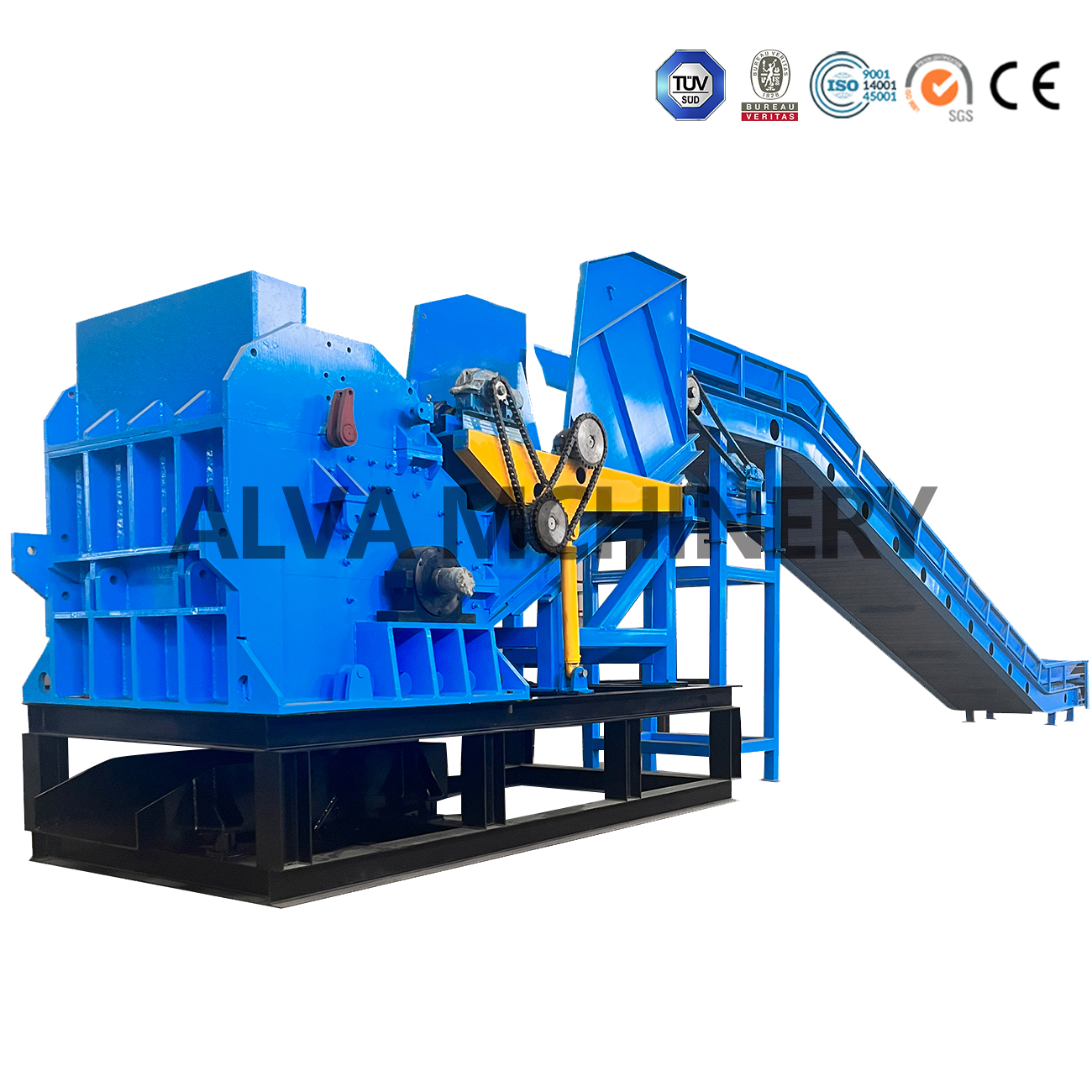
A heavy-duty metal crusher utilizes massive impact, shearing, and tearing forces to break down complex, multi-material scrap feeds. White goods, end-of-life vehicles, and light industrial demolition scrap require aggressive shredding to free trapped metallic components from plastics and foams. The primary shredder initiates this critical liberation phase, setting the stage for all downstream recovery.
The intense grinding and milling action of a vertical metal crusher densifies scrap into rounded nuggets. This balling action proves highly ideal for magnetic separation. Densified nuggets roll easily on conveyor belts, release clinging dirt and rust, and do not mechanically entangle like flat, shredded sheet metal. This physical transformation significantly improves the efficiency of downstream magnets by presenting a uniform, dense target.
Processing copper-wound electric rotors presents unique liberation challenges. An electric motor rotor crusher must completely strip dense copper windings from the laminated steel stator stacks. If the copper remains attached to the steel, it causes catastrophic copper contamination in the final steel melt. Aggressive, targeted crushing ensures complete detachment before the material hits the crossbelt magnet.
Integrating an aluminum scrap crusher into a mixed-metal processing line reduces the burden on downstream sorting equipment. Pre-sorting and crushing mixed metallic scrap ensures clean boundaries between aluminum and steel before the material reaches the magnets. This targeted approach prevents cross-contamination and improves the recovery rates of both ferrous and non-ferrous fractions across the entire yard.
Suspended overband magnets sit directly above the primary discharge conveyor. Their primary function involves continuously lifting and extracting bulk ferrous scrap from the moving material stream. As the crushed material passes underneath, the strong magnetic field pulls the iron and steel upward, carrying it away on a continuous cleaning belt. This setup handles the highest volume of bulk ferrous recovery.
Operators must evaluate permanent versus electro-magnets based on their specific throughput. Heavy electromagnets generate deep, adjustable magnetic fields crucial for penetrating thick, high-volume scrap beds. Conversely, permanent rare-earth neodymium magnets offer lower operating costs, high reliability, and zero power consumption. Permanent magnets work best for shallower burden depths and lighter materials where deep field penetration is less critical.
Magnetic head pulleys and drums integrate directly at the conveyor discharge point. As the material reaches the end of the belt, ferrous materials hold against the belt or drum shell by the magnetic field. They carry underneath to a separate discharge zone, while non-magnetic materials follow a natural gravity trajectory and fall forward into a different bin. This provides a secondary layer of ferrous recovery.
The choice between axial and radial pole configurations dictates separation efficiency. Alternating magnetic poles tumble the scrap as it passes over the drum surface. This tumbling action agitates the material, releasing trapped non-magnetic debris such as plastics, foam, and copper wire. This dynamic movement drastically improves final steel purity compared to static magnetic fields that simply drag material along.
High-intensity rare earth roll separators provide dedicated downstream separation designed to capture fine magnetic particles. The high-impact crushing process generates significant amounts of iron scale, rust, and fine ferrous dust. Standard overband magnets often miss these ultra-fine particles, necessitating specialized high-gradient magnetic rolls for complete recovery and final polishing of the non-ferrous stream.
Capturing ultra-fine ferrous dust optimizes the entire process. It prevents fine iron from contaminating valuable non-ferrous fractions like aluminum or copper. Removing this dust mitigates severe dust-explosion risks and reduces abrasive wear hazards in downstream processing zones. This extends the lifespan of subsequent sorting equipment and maintains a safer working environment.
Eddy Current Separators utilize rapidly alternating magnetic fields to induce repelling forces in non-ferrous metals. This magnetic repulsion effectively throws conductive metals like aluminum and copper away from inert materials like plastics and glass. ECS units sit after the primary magnetic separators have removed all ferrous content, ensuring the rotor does not sustain damage from heavy iron pieces.
Pairing an ECS with a primary magnetic separator downstream from a crushing line maximizes total yard profitability. Once the steel extracts cleanly, the ECS captures the high-value non-ferrous fractions. This integrated system ensures that no valuable metal loses to the landfill, turning mixed scrap into multiple distinct revenue streams.
Install the primary overband magnet at the main crusher discharge to remove 90% of bulk ferrous material.
Position a magnetic head pulley at the transfer point to capture remaining mid-sized ferrous nuggets.
Route the remaining non-ferrous stream over a high-intensity rare earth roll to remove fine iron scale and rust.
Feed the polished non-ferrous material into the Eddy Current Separator to recover clean aluminum and copper.
Deploy a final optical sorter or induction system to separate heavy non-ferrous metals from inert plastics.
Connecting nominal Gauss or Tesla ratings to actual field penetration depth remains vital for system design. A high surface Gauss rating proves completely useless if the magnetic field cannot penetrate a 300mm deep burden of shredded steel coming off a high-capacity crusher. Operators must specify magnets based on the required depth of field, ensuring the magnetic force reaches the bottom of the conveyor belt.
Magnetic separators provide immense protection value for downstream equipment. Removing uncrushable tramp iron upstream prevents catastrophic failures in secondary granulators, ultra-fine shredders, and delicate conveyor belts. A single piece of heavy tramp steel bypassing the primary magnet can cause tens of thousands of dollars in damage to an eddy current rotor or secondary cutting chamber.
Placing industrial metal detectors downstream of magnetic separators creates a powerful synergy. Metal detectors trigger automatic diversion gates if high-alloy, non-magnetic steels, such as manganese steel excavator teeth, bypass the magnet. This secondary safeguard ensures that no destructive metals reach sensitive downstream machinery, keeping the plant running without unexpected downtime.
A critical relationship exists between the crusher’s throughput and conveyor belt dynamics. Operators must calculate Tons-Per-Hour (TPH) accurately. If the belt runs too fast, the material spends insufficient time in the magnetic field. If the material layer sits too thick, bulk ferrous pieces remain buried at the bottom of the burden and bypass the magnet entirely.
Operational Issue | Likely Cause | Corrective Action |
|---|---|---|
High ferrous content in non-ferrous bin | Burden depth too thick; belt speed too fast. | Install a vibratory feeder to spread material; reduce belt speed. |
Aluminum/Copper trapped in steel stream | Incomplete mechanical liberation at the crusher. | Adjust crusher grates; increase shredding residence time. |
Overband magnet belt stalling | Excessive tramp iron buildup; weak drive motor. | Upgrade to a heavier-duty hydraulic drive; increase discharge frequency. |
Fine iron dust contaminating aluminum | Lack of secondary magnetic polishing. | Install a high-intensity rare earth drum before the ECS. |
Magnetic separation equipment operates in a brutal environment. Stainless steel armored belts and heavy-duty rubber cleats withstand the highly abrasive, sharp edges of crushed steel. Evaluating the durability of these wear parts remains essential for maintaining continuous operation and minimizing replacement costs during peak production months.
Automated self-cleaning designs reduce manual maintenance labor and eliminate costly downtime. Continuous discharge belts prevent hazardous metal buildup on the magnet face, ensuring the magnetic field remains strong and effective. Manual cleaning of large industrial magnets proves dangerous and inefficient, making self-cleaning systems a mandatory feature for high-volume yards.
Operators must compare the high upfront capital cost of multi-stage electromagnetic and rare-earth separation systems against the immediate revenue increase. Selling 99.5% pure, furnace-ready steel with low copper and inert content commands a significant market premium. The return on advanced magnetic separation realizes quickly through higher commodity prices and better foundry relationships.
Clean steel drastically reduces downstream melting costs. It reduces slag volume, lowers energy consumption per melt cycle in electric arc furnaces, and reduces the need for expensive alloying additives required to dilute contaminants. Foundries actively seek out and pay premiums for scrap yards that consistently deliver highly purified ferrous products.
Physical retrofitting challenges often dictate system design. Magnetic separation stages require specific physical footprints and height clearances. Magnets must position where material sits in a state of free-fall, such as conveyor discharge trajectories. This allows clean separation without mechanical interference from the belt or surrounding structural supports.
Material feeding uniformity proves critical for optimal separation. Vibratory feeders spread out the output of the crusher into a single, uniform monolayer prior to magnetic exposure. If the material clumps together, the magnet cannot effectively pull the ferrous items away from the non-ferrous debris, leading to high contamination rates.
Scrap yards represent harsh operational realities. Heavy-duty rubber belts, drum shells, bearings, and impact plates constantly take bombardment by sharp, heavy crushed steel fragments. Operators must budget for ongoing maintenance costs and keep critical wear parts in stock to prevent extended downtime during peak processing hours.
Conduct a physical material test with equipment vendors using your specific crushed scrap to determine the exact Gauss strength required.
Map your current conveyor layouts to determine the physical feasibility and clearance requirements for retrofitting overband magnets.
Install vibratory pan feeders immediately before magnetic separation stages to ensure a uniform material monolayer.
Implement downstream metal detectors to protect secondary processing equipment from non-magnetic tramp steel.
A: The crusher performs size reduction, shape densification, and mechanical liberation. By tearing apart composite assemblies, the crusher ensures that when a magnet pulls on the ferrous metal, it does not drag non-ferrous contaminants along with it.
A: Overband magnets suspend above the conveyor belt and lift bulk magnetic materials upward out of the material flow. Magnetic drums locate at the head pulley of the conveyor, holding magnetic materials to the drum surface and releasing them underneath.
A: A magnetic separator only separates materials once fully liberated. If the crusher successfully shears and detaches the copper windings from the steel lamination stacks, the magnet will cleanly extract the steel, leaving the copper behind.
A: This typically results from mechanical entanglement or excessive burden depth on the conveyor. If the crusher has not fully liberated the materials, or if the material layer sits too thick, non-magnetic items get physically trapped and carried into the clean steel stream.
A: You must calculate the maximum tons-per-hour throughput, conveyor belt width, and belt speed. The magnetic separator must generate a magnetic field deep enough to penetrate the maximum burden depth of the material on the belt.