Views: 0 Author: Site Editor Publish Time: 2026-09-27 Origin: Site
In the industrial plastic recycling sector, the quality of your regrind directly dictates the profitability and operational efficiency of your entire processing line. Whether a facility handles injection molding rejects, extruded industrial pipes, or thick-walled consumer containers, utilizing the correct hard plastic crusher is a fundamental requirement. Achieving optimal results extends far beyond simply feeding materials into a heavy-duty machine. The engineering secret to producing uniform, dust-free, and high-bulk-density regrind lies in the meticulous configuration of the machine's internal mechanical components.
From an industry-wide perspective, the recycling landscape is currently undergoing a massive transformation. Driven by stringent global sustainability mandates and circular economy initiatives, brand owners now demand high-purity Post-Consumer Resin that performs identically to virgin materials. This shift means that precise granulation is no longer just a cost-saving measure. It is a competitive necessity. Market data indicates a growing intolerance for regrind that causes extruder fluctuations or screen pack blockages. For rigid polymers such as Acrylonitrile Butadiene Styrene, Polypropylene, and Polyethylene, the cutting mechanics must be perfectly tailored to the specific physical and thermal properties of the material. This comprehensive guide explores how selecting the appropriate blade morphology and screen dimensions fundamentally shapes the final output quality, helping plant managers minimize waste and prevent unwanted thermal degradation.
Material Specificity is Crucial: Polymers possess distinct tensile strengths, brittleness levels, and melting points. These differences require specific mechanical approaches to avoid excessive dust generation or frictional melting.
Blade Geometry Dictates Cutting Efficiency: Claw blades provide the high-torque bite necessary for thick, hard chunks. Conversely, flat blades deliver the clean shear force required for thinner rigid sheets and brittle appliance housings.
Screen Size Controls Quality and Throughput: A smaller screen aperture produces finer regrind but increases chamber friction. A larger screen maximizes throughput but yields coarser granules.
Component Synergy Prevents Degradation: The precise combination of sharp blades and an optimal screen size prevents the plastic from overheating and smearing inside the cutting chamber.
Maintenance Drives Consistency: Routine mechanical maintenance is a mandatory operational standard to maintain baseline performance.
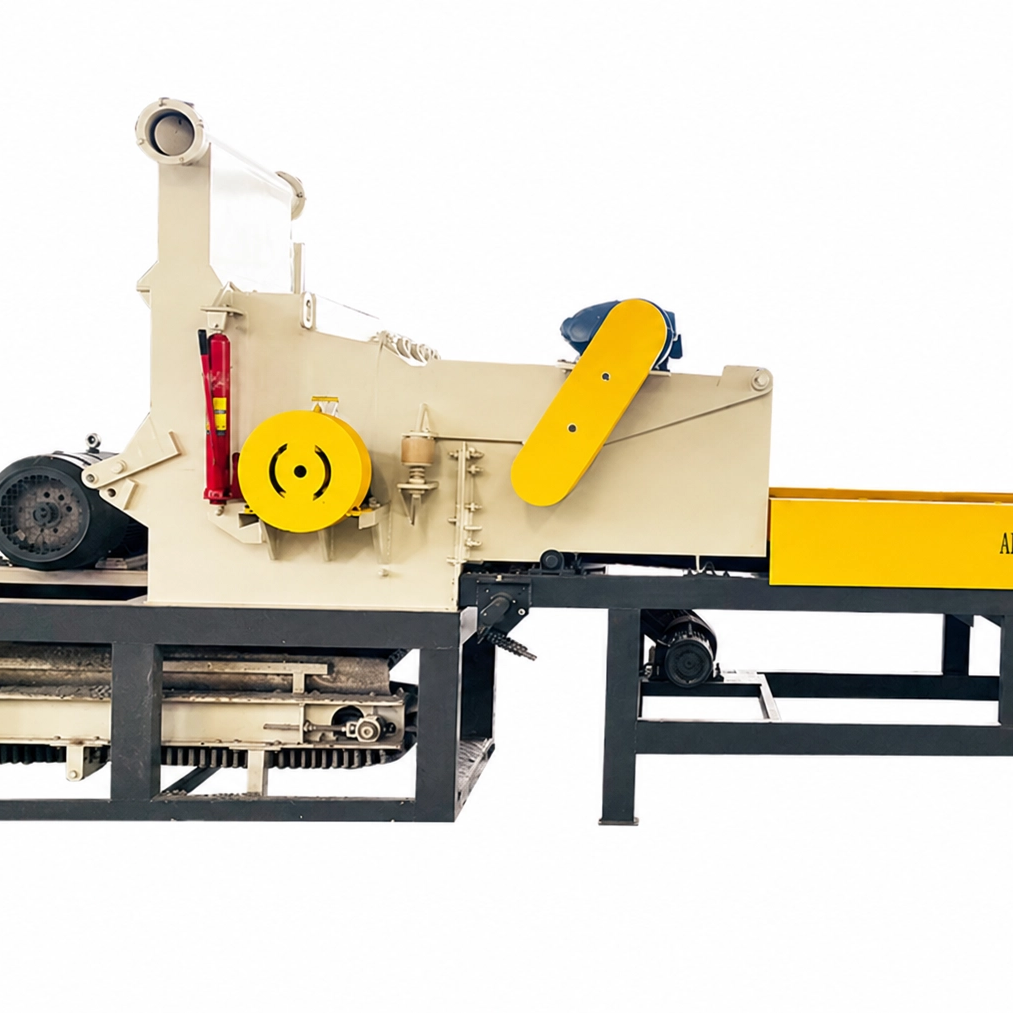
An industrial size reduction machine is engineered specifically to process hard, dense, or thick-walled plastic waste into reusable granules. Unlike slow-speed shredders utilized for primary volume reduction of massive purgings, this equipment operates at high rotational speeds. It relies on the kinetic energy of a heavy, balanced rotor equipped with hardened steel blades to shear hard plastics into specific, uniform sizes.
The primary objective of this granulation process is to achieve optimal regrind quality. In this sector, quality is defined by strict parameters. You need dimensional uniformity, an absolute minimum of fine dust particles, high bulk density for efficient extruder feeding, and zero thermal degradation. Particles must be consistent to ensure even melting during subsequent extrusion or injection molding phases.
On the factory floor, a common operational error is assuming that a one-size-fits-all machine setup can process all polymers equally well. Alternating between brittle plastics and tough, semi-crystalline plastics without adjusting the internal mechanics inevitably leads to suboptimal results. For instance, processing brittle materials with the same blade and screen configuration used for heat-sensitive polymers will result in either a cloud of unusable dust or melted plastic smeared across the screen. Ultimately, the physical properties of the polymer must dictate the mechanical action of the equipment.
To configure a machine correctly, operators must first deeply understand the thermal and mechanical properties of the target polymers. Failing to match the machine setup to the material results in accelerated wear, high energy consumption, and poor yield.
Acrylonitrile Butadiene Styrene: Known for its structural rigidity and dimensional stability, this material is highly brittle. It tends to shatter rather than shear under high-velocity blunt impact. This shattering creates excessive fines and airborne dust, creating a hazardous work environment and reducing usable yield. To mitigate this, a specialized ABS crusher setup requires flat, razor-sharp blades configured with a tight tolerance. This ensures a clean, precise scissor-like cut that bypasses the material's tendency to fracture.
Polypropylene: This polymer presents a completely different engineering challenge. While it is tough and fatigue-resistant, it has a relatively low melting point. If the blades are dull or the screen size is too restrictive, the material remains trapped in the cutting chamber. The resulting kinetic friction generates rapid heat, causing the material to reach its softening point and smear across the blades. A dedicated PP crusher configuration must prioritize rapid material throughput. Plant managers often utilize slightly larger screens and highly ventilated cutting chambers to prevent thermal degradation.
High-Density Polyethylene: This dense plastic is frequently found in heavy-duty applications like extruded municipal pipes, industrial chemical drums, and thick-walled pallets. It is incredibly impact-resistant and demands immense cutting power. If the rotor lacks sufficient inertia, the machine will struggle to bite into the material. This leads to motor stalling and severe mechanical stress. A properly configured PE crusher relies heavily on robust, staggered claw blades. These blades take localized, aggressive bites out of thick walls, distributing the load evenly across the rotation.
The rotor and its attached blades form the beating heart of any size reduction equipment. The geometry of these knives dictates exactly how mechanical force is transferred to the polymer. Therefore, blade selection is the most critical decision in optimizing your operation.
Blade Type | Design Characteristics | Best Suited For | Dust Generation Level |
|---|---|---|---|
Claw Blade | Staggered teeth, localized high-torque bite | Thick-walled PE pipes, heavy purgings, dense lumps | Medium |
Flat Blade | Continuous straight edge, broad sweeping cut | Thin-walled containers, brittle ABS housings | Low |
V-Type Blade | Chevron angle, draws material to chamber center | Temperature-sensitive PP, general purpose recycling | Very Low |
Specifically, claw blades ensure that only a small section engages with the stationary bed knife at any given millisecond. This localized pressure allows the machine to bite into incredibly thick plastics without stalling. It drastically reduces shock loads on the rotor bearings.
In contrast, flat blades feature continuous cutting edges spanning the entire width of the rotor. They excel at processing thin-walled rigid plastics and hollow containers. For brittle materials, this clean shearing action prevents the plastic from being bludgeoned.
While the blades perform the physical reduction, the screen acts as the final classification system. Located at the bottom of the cutting chamber, it dictates exactly how long material remains inside the machine.
Utilizing a small screen size, such as 6mm to 8mm, ensures the final output is highly uniform. This fine regrind is often ready for immediate re-introduction into injection molding machines. The significant drawback is increased residence time. The plastic must be cut many more times to pass through, which exponentially increases kinetic friction. For polymers with lower melting points, this extended exposure can quickly lead to blocked apertures.
Furthermore, large screens ranging from 10mm to 14mm allow material to evacuate the chamber rapidly. This swift evacuation maximizes volumetric throughput, significantly lowers electrical energy consumption, and drastically reduces heat buildup. Depending on the feed throat specifications of downstream equipment, this coarse material may require secondary processing.
True operational excellence is achieved when the blade morphology and screen dimensions are engineered to work in perfect harmony. Granulation is an inherently high-friction process. Disjointed components will inevitably compromise the final product.
For example, pairing a sharp flat blade with a medium-sized screen creates the optimal environment for processing brittle polymers. This effectively neutralizes the shatter-dust effect. Managing the thermal dynamics of thick HDPE requires a completely different approach. Pairing a high-torque claw blade with a slightly larger screen creates an ideal setup that prevents frictional melting.
The physical clearance between the rotating blades and stationary bed knives is also critical. In rigid plastic processing, this gap is usually calibrated to a strict tolerance of 0.1mm to 0.2mm. A tight gap ensures the polymer is cleanly sliced rather than torn, maintaining a steady flow through the system.
When upgrading a facility, evaluating the structural and engineering features of the machinery is paramount for securing a long-term return on investment. It is not just about raw power. It is about smart engineering that protects your operators and your bottom line.
First, evaluate the motor capacity and rotor mass. Heavy-duty solid rotors provide the necessary kinetic inertia to power through dense plastics without causing power spikes. Look for machines equipped with premium blade materials like SKD-11 or D2 tool steel, which offer superior wear resistance during continuous operation. Next, examine the hopper design. Modern machines utilize anti-flyback hoppers equipped with double curtains. These features keep operators safe from high-speed plastic shrapnel.
Ease of maintenance is another vital factor. Facilities should prioritize machines equipped with hydraulic chamber opening mechanisms. When an operator needs to clear a jam, these automated systems allow for quick screen changes without excessive downtime. Choosing manufacturers that specialize in customizable solutions ensures you get a plastic recycling crusher tailored to your exact polymer streams.
Even the most precisely configured machine will experience degraded performance without a strict preventative maintenance protocol. Mechanical degradation directly correlates to material degradation.
Routine Blade Sharpening: Blades must be kept razor-sharp. Dull blades rely on blunt force to smash the plastic. This smashing action exponentially increases airborne dust and destroys the bulk density of the regrind.
Screen Inspections: Screens must be inspected daily for clogged holes or metal fatigue. A partially blocked screen acts as a bottleneck, elevating internal temperatures to dangerous levels.
Bearing Lubrication: The rotor bearings bear the brunt of the mechanical load. Consistent lubrication using high-temperature lithium-based grease is required to keep the rotor spinning smoothly. This prevents catastrophic bearing failure.
Achieving top-tier regrind quality from rigid plastics is the direct result of precise mechanical configuration. By carefully matching the blade type and screen size to the specific thermal and physical properties of the polymer you are processing, you can transform post-industrial waste into high-value raw material.
A properly configured setup minimizes dust, prevents thermal degradation, and maximizes your daily operational throughput. As industry standards for recycled resins continue to rise, investing in reliable equipment is the most effective way to ensure your facility remains competitive. If you are looking to upgrade your processing line with heavily engineered, application-specific machinery, explore the high-performance solutions available at Alva Plastics Machinery to find the exact configuration your facility demands.
While it is mechanically possible to feed different plastics into the same setup, it is highly unadvisable for quality control. Brittle materials benefit from sharp flat blades to reduce dust, whereas thick PE chunks require claw blades for better bite and torque. Utilizing a generic configuration severely compromises both the dimensional quality of the regrind and the volumetric throughput of the machine.
Excessive dust generation is primarily a symptom of blunt-force impact rather than clean shearing. This is usually caused by severely dull blades, an excessively small screen size that traps material for too long, or utilizing an overly aggressive cutting angle for brittle plastics. Sharpening the rotor blades and precisely calibrating the blade gap to a tight tolerance can drastically reduce dust output.
Maintenance intervals depend entirely on the volume of throughput and the specific hardness of the polymers being processed. For heavy continuous daily use on dense rigid plastics, cutting blades should be visually inspected weekly. Typically, they require professional sharpening every few weeks to maintain a precise cut and to prevent kinetic friction.
Polypropylene is highly sensitive to kinetic heat due to its lower melting point. If the screen aperture is too small, the plastic particles remain trapped in the cutting chamber for an extended period. The resulting mechanical friction rapidly elevates the temperature, causing the material to melt, smear across the metal screen, block the holes entirely, and eventually jam the rotor.
For processing rigid plastics efficiently, the clearance gap between the rotating knives and the stationary bed knives must be set very tight. Industry standards dictate a gap usually between 0.1mm and 0.2mm. This precise calibration ensures a scissor-like clean shear through the polymer, rather than tearing or smashing the plastic.
Ideal bulk density varies by polymer, but generally, high-quality rigid regrind should closely mimic the density of virgin pellets, typically ranging from 25 to 35 pounds per cubic foot. Achieving this density requires clean, uniform cuts without stringy tails or excessive fines, ensuring smooth feeding into the extruder hopper without bridging.
A heavy, solid rotor design provides high kinetic inertia. Once spinning at full speed, this inertia carries the blades through tough plastic chunks with minimal reliance on continuous electrical power from the motor. Conversely, a lightweight open rotor will experience sudden RPM drops when hitting dense materials, causing the motor to draw massive amperage spikes to compensate, thereby increasing overall power consumption.