Views: 0 Author: Site Editor Publish Time: 2026-09-24 Origin: Site
Hidden operational costs quickly accumulate when processing bulky, contaminated, or high-tensile waste streams. Shredder downtime, catastrophic blade failure, and frequent motor stalling destroy facility productivity. Standard single-rotor or light-duty machines frequently fail under these harsh conditions. They jam easily. They suffer accelerated wear when introduced to unpredictable mixed solid waste, tires, or heavy metals. A single uncrushable object can halt an entire recycling or disposal line for days.
Facility managers must evaluate mechanical architecture and material capabilities carefully. You need to determine if a Double Shaft Shredder is the correct equipment for your specific high-stress application. Throughput requirements dictate machine selection. Unpredictable waste streams demand robust engineering. We will analyze how twin-shaft mechanics overcome the limitations of standard shredding systems.
Low-speed, high-torque interlocking shear action prevents material wrapping, minimizes motor stalling, and effectively processes unpredictable loads.
Heavy-duty forged alloy, heat-treated blades are critical evaluation criteria for extending service intervals when handling abrasive or impact-heavy materials.
Selecting the right machine requires balancing throughput requirements with cutter disc geometry, hook design, cutting chamber dimensions, and duty-cycle ratings.
High-speed shredding systems rely on rapid rotor rotation to chip or cut materials against a stationary stator blade. This high-velocity action generates massive frictional heat. When processing low-melting-point materials like agricultural plastics, shrink wrap, or synthetic textiles, this heat causes localized melting. The plastic liquefies slightly, smears across the cutting chamber, and rapidly solidifies upon cooling. This leads to severe chamber clogging and degraded output quality. Operators must manually chip hardened plastic from the screens and rotors, wasting hours of production time.
High-speed rotors also exhibit extreme vulnerability to contaminants. Unpredictable waste streams often contain non-shreddable inclusions. Solid metal chunks, heavy engine blocks, or thick steel plates easily hide inside bulky waste. When a high-speed rotor strikes a solid steel inclusion, the kinetic energy transfers directly into the machine structure. This causes catastrophic rotor damage, shattered screens, and snapped drive shafts. The repair process requires heavy lifting equipment and days of downtime.
Material winding presents another failure point for single-shaft systems. Long, fibrous, or wire-like materials behave unpredictably during processing. Baling wire, textile ribbons, and long plastic films tend to wrap tightly around a single spinning shaft. As the material accumulates, it creates a thick, hardened mass that chokes the rotor. The motor stalls under the immense friction. Clearing this wrapped material requires extended downtime, blowtorches, and manual cutting.
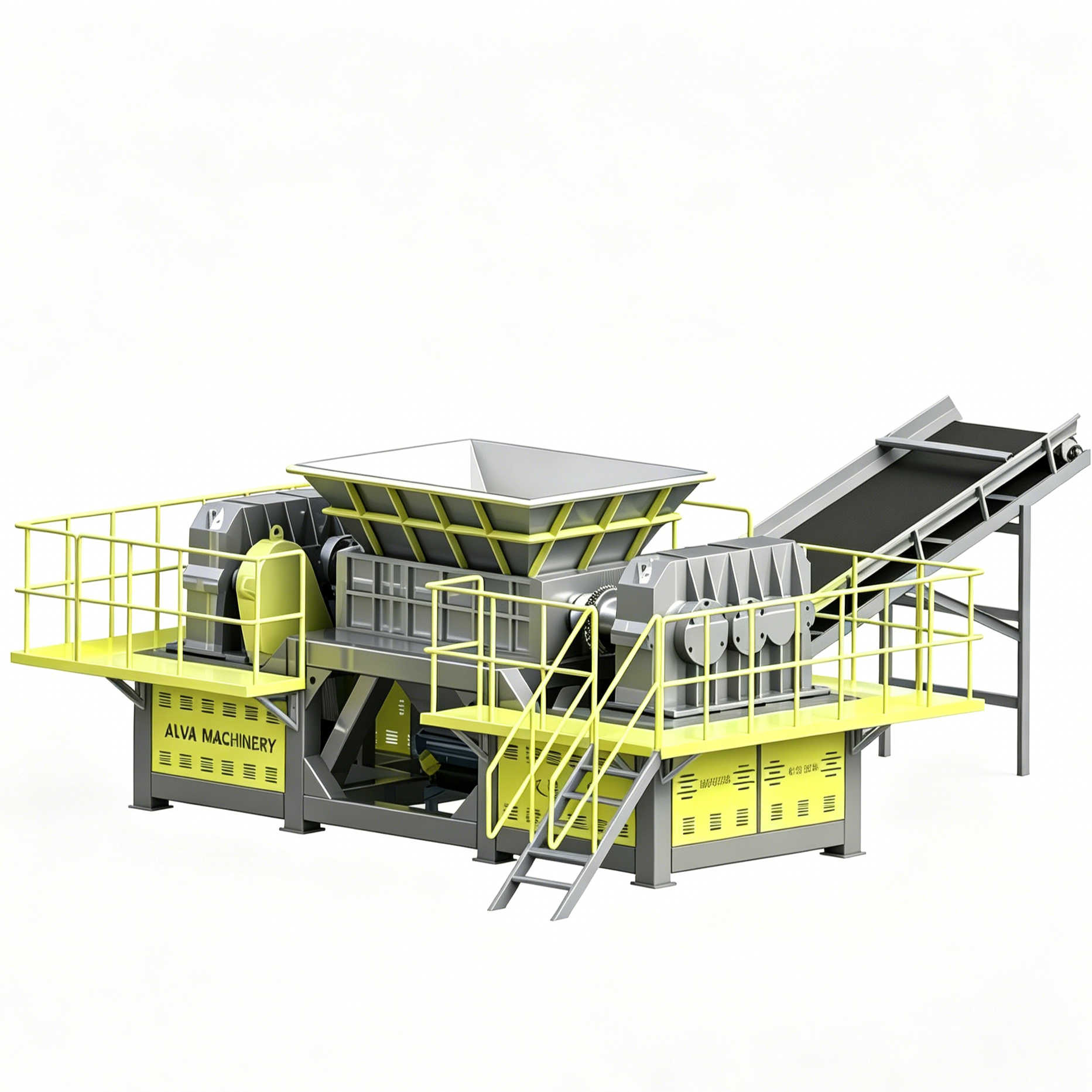
Twin-shaft systems utilize a fundamentally different mechanical approach. Two counter-rotating shafts operate simultaneously within the cutting chamber. They rotate inward toward each other. This relative rotation actively grips bulky materials. The aggressive hook designs bite into the waste and pull it downward into the cutting zone. The machine does not rely on gravity alone to feed the material. This active feeding mechanism ensures continuous processing of large, awkward items like mattresses or intermediate bulk containers.
The core of this system is the interlocking shear action. Opposing cutter discs stack alternately along the two parallel shafts. As the shafts rotate at low speeds, typically between 15 and 40 RPM, these discs act like massive industrial scissors. They tear, shear, and fracture tough materials using extreme torque rather than high velocity. The low-speed operation maximizes rotational force. This allows the blades to slice through dense materials without stalling the drive motor.
Engineers incorporate a self-cleaning design to prevent material winding. Stationary stripper plates mount directly between the rotating cutter discs. As the blades pass through the cutting zone, the stripper plates physically scrape material out of the blade roots. This natural clearing action prevents long fibers and wires from wrapping around the shafts. The cutting chamber remains clear, ensuring continuous, uninterrupted operation.
Operational Metric | High-Speed Single-Shaft | Low-Speed Double-Shaft |
|---|---|---|
Operating Speed | High (100 to 300+ RPM) | Low (15 to 40 RPM) |
Torque Delivery | Low to Moderate | Extremely High |
Heat Generation | High (Risk of plastic melting) | Low (Cold cutting process) |
Tolerance to Metal | Poor (Catastrophic failure risk) | Excellent (Shears or auto-reverses) |
Material Winding | High Risk (Requires manual clearing) | Low Risk (Self-cleaning stripper plates) |
Output Sizing | Precise (Uses sizing screens) | Variable (Rough primary reduction) |
Municipal solid waste presents a unique challenge due to its extreme variability. A single load may contain rigid plastics, heavy textiles, organic matter, and hidden metals. Twin-shaft systems excel at handling these variable densities simultaneously. The low-speed torque easily crushes rigid plastics while the sharp blade edges shear through tough textiles. The machine processes this chaotic mixture without jamming or requiring material pre-sorting.
Facilities primarily utilize these machines for primary size-reduction. They serve as the first stage in the waste processing line. The shredder breaks open garbage bags, fractures large items, and creates a rough, manageable output size. This volume reduction prepares the mixed waste for downstream processing. Conveyor belts, magnetic separators, and optical sorters operate much more efficiently when fed a consistent, pre-shredded material stream. The shredder ensures that downstream equipment receives a steady flow of liberated materials, preventing blockages in subsequent sorting stages.
Construction and demolition debris contains massive, rigid structures. Bulky wooden pallets, heavy furniture, and structural timber resist standard crushing methods. The twin-shaft mechanism easily grabs these large items. The aggressive hooks bite into the wood, pulling the entire structure into the shear zone. The extreme torque splinters and fractures thick timber effortlessly, reducing massive pallets to manageable wood chips in seconds.
C&D wood rarely arrives clean. It contains hidden fasteners, heavy nails, steel screws, and thick metal brackets. Standard wood chippers suffer immediate blade destruction when encountering these metals. A robust twin-shaft system tolerates these hidden inclusions. The heavy-duty blades shear right through nails and brackets alongside the wood. This eliminates the need for manual de-nailing before processing, drastically increasing facility throughput and protecting downstream hammer mills from metal contamination.
Rubber tires present a notorious processing challenge due to the bounce effect. Elastic materials naturally absorb kinetic energy and deflect standard cutting blades. High-speed rotors often bounce off the rubber surface without penetrating. Twin-shaft systems overcome this using aggressive, specialized hook designs. These sharp, pronounced hooks physically pierce the elastic rubber. Once hooked, the shafts pull the tire downward, forcing it through the interlocking shear discs.
Passenger and truck tires contain thick steel wire reinforcement. Managing this steel reinforcement is necessary for continuous operation. The shredder must shear through the tough rubber and the high-tensile steel bead wire simultaneously. Heavy-duty forged blades accomplish this without suffering excessive chipping. The low-speed shearing action cuts the wire cleanly. This prevents the steel from tangling around the shafts and extends the operational life of the blade edges.
Processing light metals and electronic waste requires immense cutting force. Facilities routinely process aluminum extrusions, thick copper cables, light steel drums, and rigid electronic casings. The interlocking discs grip these metal profiles and apply crushing shear force. The blades fold, crimp, and slice the metal into strips. This liberates valuable internal components, such as copper wire trapped inside steel casings, preparing the material for downstream separation.
Impact resistance is a non-negotiable requirement when processing metals. Fracturing metal components generates violent shock forces within the cutting chamber. Standard cast blades shatter under this stress. Manufacturers must utilize heavy-duty forged alloy blades. Forging aligns the grain structure of the steel, providing superior impact absorption. These specialized blades absorb the shock forces without cracking, ensuring reliable operation during heavy metal processing.
When processing e-waste and light metals, operators follow a specific sequence to maximize recovery:
Load the bulky metal components into the shredder hopper using a grapple excavator.
Allow the twin shafts to fold and shear the metal casings, liberating internal wiring and circuit boards.
Discharge the rough-shredded material onto a vibratory conveyor to spread the load evenly.
Pass the material under a cross-belt magnetic separator to remove ferrous metals.
Feed the remaining non-ferrous and plastic mix into an eddy current separator for final recovery.
Material selection for the cutter discs directly dictates machine longevity. Standard steel alloys wear rapidly when exposed to abrasive waste streams. Manufacturers must utilize high-grade, heat-treated alloy steels like D2 or 4140. Proper heat treatment hardens the blade surface while maintaining a tough, ductile core. This specific metallurgy directly impacts wear resistance and edge retention. High-quality alloys significantly extend service intervals, keeping the machine operational for longer periods between maintenance cycles.
Blade configuration must match your specific material characteristics. The number of hooks, hook shape, and blade thickness determine the final output size and feeding efficiency. Fewer, larger hooks work best for grabbing bulky items like 55-gallon drums or large pallets. More hooks per disc improve the grabbing efficiency for thin, flat materials like cardboard or plastic film. You must specify the correct blade geometry to optimize the performance of your Industrial Shredding Machine.
Facility managers must differentiate between compact models and heavy-duty units. Compact pre-shredders suit smaller facilities with intermittent processing needs. They handle lighter loads and require periodic cooling downtime. Massive, heavy-duty models are engineered for continuous, high-volume municipal or industrial processing. These units feature oversized bearings, massive shafts, and continuous duty-cycle ratings. They run 24/7 without overheating or suffering structural fatigue.
Footprint constraints often dictate machine selection. You must balance the required cutting chamber dimensions with your available floor space. Processing bulky waste requires a large infeed hopper and a wide cutting chamber. The machine must still fit within the established integration points of your recycling plant. Careful spatial planning ensures the shredder aligns perfectly with existing infeed conveyors and discharge sorting equipment.
Assessing the trade-offs between hydraulic and electric drives is necessary for optimal performance. Hydraulic drives offer superior shock-load tolerance. When a hydraulic shredder hits an uncrushable object, the fluid system absorbs the impact, protecting the mechanical components. Hydraulic systems also deliver instant, maximum torque at zero RPM. Electric drives offer distinct advantages for consistent applications. They provide higher energy efficiency, operate quieter, and require significantly less routine maintenance than complex hydraulic power units.
Drive Type | Primary Advantage | Best Application | Maintenance Requirement |
|---|---|---|---|
Hydraulic Drive | Extreme shock absorption and instant torque | Scrap metal, heavy C&D, unpredictable MSW | High (Fluid changes, leak checks, pump maintenance) |
Electric Drive | High energy efficiency and consistent speed | Wood, plastics, paper, uniform waste streams | Low (Motor greasing, gearbox oil changes) |
Motor sizing and gearbox selection determine the powertrain's capability. The drive system must be specified to handle peak loads, not just average running conditions. Processing highly resistant materials like truck tires or steel drums creates massive torque spikes. Undersized motors will stall repeatedly, triggering electrical faults and halting production. Robust planetary gearboxes multiply the motor's torque, ensuring the shafts maintain rotational force through the toughest material densities.
Maintenance accessibility directly influences facility uptime. Routine inspections, blade hard-facing, and shaft replacements are inevitable. You must evaluate how easily maintenance teams can access the cutting chamber. Well-designed machines feature split-housing designs or large access doors. Mechanics can open the chamber quickly to perform weld overlays on worn blades without removing the entire shaft assembly. Difficult access turns a minor repair into a multi-day shutdown.
The choice between modular and welded shaft assemblies is a major operational consideration. Modular shaft designs feature individual cutter discs stacked onto a splined hexagonal shaft. If one blade breaks, mechanics can slide it off and replace it individually. Solid welded assemblies feature blades permanently welded to the shaft. While welded shafts offer extreme rigidity, repairing a damaged blade requires removing the entire shaft and sending it to a specialized machine shop.
Uncrushable objects pose a severe risk to any shredding operation. Solid steel blocks, heavy engine parts, or thick forklift tines occasionally slip into the waste stream. If these objects enter the cutting chamber, they cause immediate mechanical binding. Without proper protection, the immense torque will snap the main drive shafts, shatter the gearboxes, or burn out the electric motors. This results in catastrophic mechanical failure.
Intelligent PLC controls provide the primary mitigation strategy. Modern shredders feature auto-reverse programming to protect the drivetrain. The system follows a strict sequence when encountering an overload:
The PLC continuously monitors the electrical amperage drawn by the drive motors.
Upon detecting a sudden amperage spike indicating a jam, the PLC instantly cuts forward power.
The system reverses the rotation of the shafts for several seconds to dislodge the uncrushable object.
The shafts resume forward rotation to attempt processing the material again.
If the amperage spikes three consecutive times, the PLC shuts down the machine entirely and triggers an operator alarm.
Mechanical shear pins or fluid couplings provide a secondary physical disconnect, severing the drive power during catastrophic overloads if the electronic systems fail.
Processing materials with high dirt, glass, or sand content introduces severe abrasive wear. Agricultural plastics, street sweepings, and root balls contain embedded grit. This grit acts like sandpaper against the cutter discs. It degrades the blade edges prematurely, rounding off the hooks and increasing the clearance between the opposing discs. As the blades dull, shredding efficiency plummets, and maintenance interventions spike.
Specifying custom hard-facing alloys mitigates this abrasive wear. Manufacturers apply specialized weld overlays containing tungsten carbide to the blade wear surfaces. This creates an extremely hard outer shell that resists abrasion. Implementing upstream pre-screening protocols provides further protection. Installing heavy-duty trommel screens before the shredder removes loose sand, glass, and fines. This prevents the abrasive grit from ever entering the cutting chamber.
Audit your waste stream to identify the exact percentage of uncrushable inclusions and abrasive fines before selecting equipment.
Request a documented material test with the shredder manufacturer using your specific, heavily contaminated waste samples.
Specify the exact blade metallurgy and hook geometry based on the empirical throughput data gathered during the trial.
Verify the cutting chamber access points with your maintenance team to ensure rapid blade servicing and minimal downtime.
A: A single shaft shredder uses a high-speed rotor cutting against a stationary stator blade, ideal for uniform size reduction. A double shaft shredder uses two low-speed, counter-rotating shafts with interlocking discs to shear and tear bulky, unpredictable materials with massive torque.
A: Blade thickness dictates the final width of the shredded material. Thinner blades produce smaller output sizes but are more susceptible to impact damage. Thicker blades are required for heavy metals and bulky waste to absorb shock forces and prevent fracturing.
A: Yes. The low-speed, high-torque shearing action, combined with heavy-duty forged alloy blades, easily cuts through hidden nails, screws, and metal brackets without suffering catastrophic blade failure or stalling the machine.
A: Maintenance intervals vary heavily based on material abrasiveness. Clean plastics may allow for thousands of hours of operation. Highly abrasive materials like dirt-laden agricultural film may require blade edge hard-facing every few hundred hours to maintain cutting efficiency.
A: The PLC monitors motor amperage. If an uncrushable object causes a sudden amperage spike, the system instantly stops and reverses shaft rotation. This clears the jam, prevents shaft snapping, and protects the gearboxes from catastrophic overload.
A: Twin-shaft machines produce a rough, variable output size, typically in long strips or irregular chunks. They do not use sizing screens. They are designed for primary volume reduction rather than producing a precise, uniform final particle size.
A: Hydraulic drives are superior for materials causing extreme shock loads because the fluid absorbs the impact and provides instant torque. Electric drives are better for consistent materials, offering higher energy efficiency and lower routine maintenance.